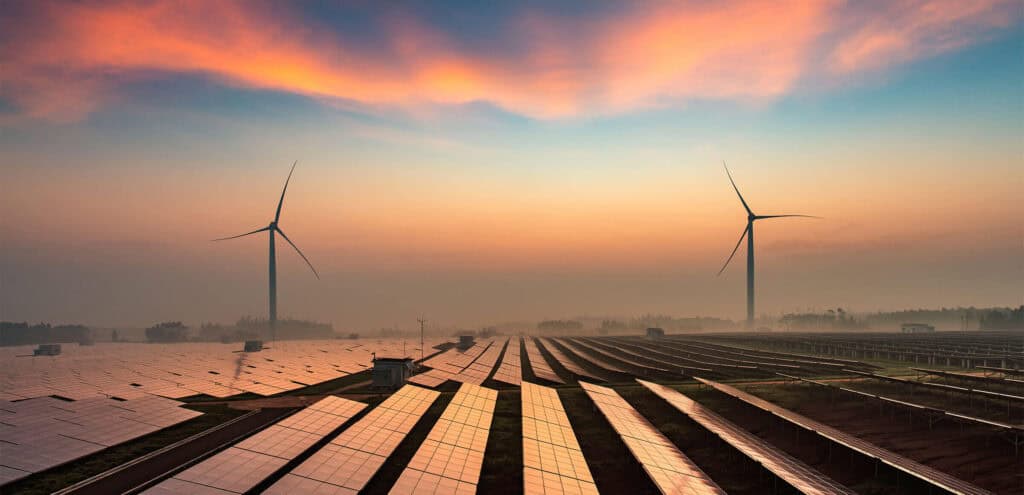
According to Next Move Strategy Consulting, the Renewable Energy Market is witnessing unprecedented growth as countries, businesses, and consumers shift toward cleaner and more sustainable energy sources. Driven by the need to reduce carbon emissions, increase energy security, and combat climate change, renewable energy technologies—including solar, wind, hydropower, bioenergy, and geothermal—are becoming a fundamental part of the global energy mix.
According to market analysts, the renewable energy market is projected to grow at a CAGR of 9.6% from 2024 to 2030, reaching an estimated value of USD 2025.94 billion by 2030. With governments implementing favorable policies, technological advancements improving efficiency, and the cost of renewable energy systems decreasing, the market is set for exponential expansion.
The Renewable Energy Market encompasses various energy sources that are naturally replenished, including:
Click Here for Your FREE Sample!
- Solar Energy – Photovoltaic (PV) panels and concentrated solar power (CSP) for electricity and heating.
- Wind Energy – Onshore and offshore wind farms generating electricity.
- Hydropower – Large-scale and small-scale hydroelectric plants.
- Bioenergy – Biomass, biofuels, and biogas production.
- Geothermal Energy – Utilizing Earth’s heat for electricity and direct heating applications.
As industries and governments focus on carbon neutrality and net-zero emissions, renewable energy is playing a critical role in achieving global sustainability targets.
Key Market Drivers
- Rising Demand for Clean Energy
The transition from fossil fuels to renewable energy sources is accelerating as countries commit to reducing greenhouse gas (GHG) emissions. Governments are setting ambitious targets to achieve carbon neutrality by 2050, boosting investments in renewable energy projects worldwide.
- Decreasing Costs of Renewable Technologies
Advancements in solar panel efficiency, wind turbine technology, and battery storage have led to a significant reduction in costs. The levelized cost of electricity (LCOE) for renewable sources is now competitive with, and in many cases cheaper than, fossil fuel-based power generation.
- Government Policies and Incentives
Governments worldwide are implementing favorable policies, tax credits, and subsidies to support the transition to renewables. Initiatives such as the U.S. Inflation Reduction Act, the European Green Deal, and China’s Renewable Energy Development Plan are driving investments and encouraging innovation in the renewable energy sector.
- Energy Security and Independence
Geopolitical tensions and supply chain disruptions have highlighted the risks associated with reliance on fossil fuels. Many nations are accelerating their transition to renewables to reduce dependence on imported oil and gas, ensuring energy security and resilience against market fluctuations.
- Corporate Commitments to Sustainability
Major corporations are integrating renewable energy into their operations to meet sustainability goals. Companies like Google, Amazon, Apple, and Tesla are investing in renewable energy projects and power purchase agreements (PPAs) to reduce their carbon footprint.
Technological Advancements in Renewable Energy
- Next-Generation Solar Panels
Improvements in photovoltaic technology, including bifacial solar panels, perovskite solar cells, and floating solar farms, are enhancing efficiency and increasing energy generation capacity.
- Advanced Wind Turbine Designs
Larger and more efficient wind turbines, including floating offshore wind farms, are expanding wind energy potential. Innovations in aerodynamics, blade materials, and smart turbine technology are increasing output and reducing operational costs.
- Battery Storage and Grid Integration
Energy storage solutions such as lithium-ion batteries, solid-state batteries, and green hydrogen are addressing the intermittency of renewable energy. Smart grids and AI-driven energy management systems are optimizing power distribution and reducing waste.
- Green Hydrogen and Fuel Cells
Hydrogen fuel cells are emerging as a key technology for long-term energy storage, industrial applications, and transportation. Green hydrogen, produced using renewable energy, is being developed as a zero-carbon alternative to fossil fuels.
Challenges in the Renewable Energy Market
Despite strong growth, the renewable energy market faces several challenges:
- Energy Storage and Grid Reliability
Renewable sources like solar and wind are intermittent, requiring advanced energy storage systems and smart grid technologies to ensure a stable power supply.
- High Initial Investment Costs
While costs are declining, upfront capital investments for renewable energy infrastructure can be high, making financing a challenge for some projects.
- Land and Environmental Concerns
The development of large-scale wind farms, solar parks, and hydroelectric plants can lead to land use conflicts and environmental concerns, requiring sustainable planning and impact assessments.
- Supply Chain Disruptions
Raw material shortages, trade restrictions, and logistics challenges can impact the production and deployment of solar panels, wind turbines, and battery storage systems.
Market Segmentation
The renewable energy market can be categorized based on energy source, application, and region.
By Energy Source
- Solar Energy – Photovoltaic (PV), concentrated solar power (CSP).
- Wind Energy – Onshore, offshore wind farms.
- Hydropower – Large hydro, small hydro.
- Bioenergy – Biomass, biofuels, biogas.
- Geothermal Energy – Power plants, direct-use heating.
By Application
- Electricity Generation – Utility-scale and distributed power generation.
- Transportation – Biofuels, electric vehicle (EV) charging with renewable energy.
- Industrial Use – Renewable energy for manufacturing and processing industries.
- Residential & Commercial – Rooftop solar, heat pumps, and smart energy solutions.
Regional Market Analysis
- North America: The U.S. and Canada are leading in solar and wind energy adoption, driven by government incentives and corporate commitments.
- Europe: The European Union’s Green Deal is pushing for carbon neutrality by 2050, increasing investments in offshore wind and hydrogen projects.
- Asia-Pacific: China, India, Japan, and South Korea are expanding renewable energy capacity to meet growing electricity demand and sustainability targets.
- Latin America & Middle East: Countries like Brazil, Mexico, UAE, and Saudi Arabia are investing in solar and wind energy projects to diversify their energy mix.
Future Growth Opportunities
- Development of Floating Solar and Offshore Wind Farms – Utilizing water surfaces for energy generation will expand capacity and optimize land use.
- Scaling Up Green Hydrogen Production – Hydrogen will play a crucial role in decarbonizing industries such as steel, cement, and transportation.
- AI and IoT in Renewable Energy Management – Smart technologies will improve energy efficiency and grid integration.
- Expansion of Energy Storage Solutions – Advancements in battery technology and pumped hydro storage will enhance reliability.
Conclusion
The renewable energy market is experiencing unprecedented growth, driven by technological innovation, policy support, and increasing global demand for clean energy. As countries and industries commit to net-zero emissions, renewable energy will be at the forefront of the global energy transition. Overcoming storage, grid integration, and investment challenges will be key to unlocking the full potential of renewables in the coming decades.
