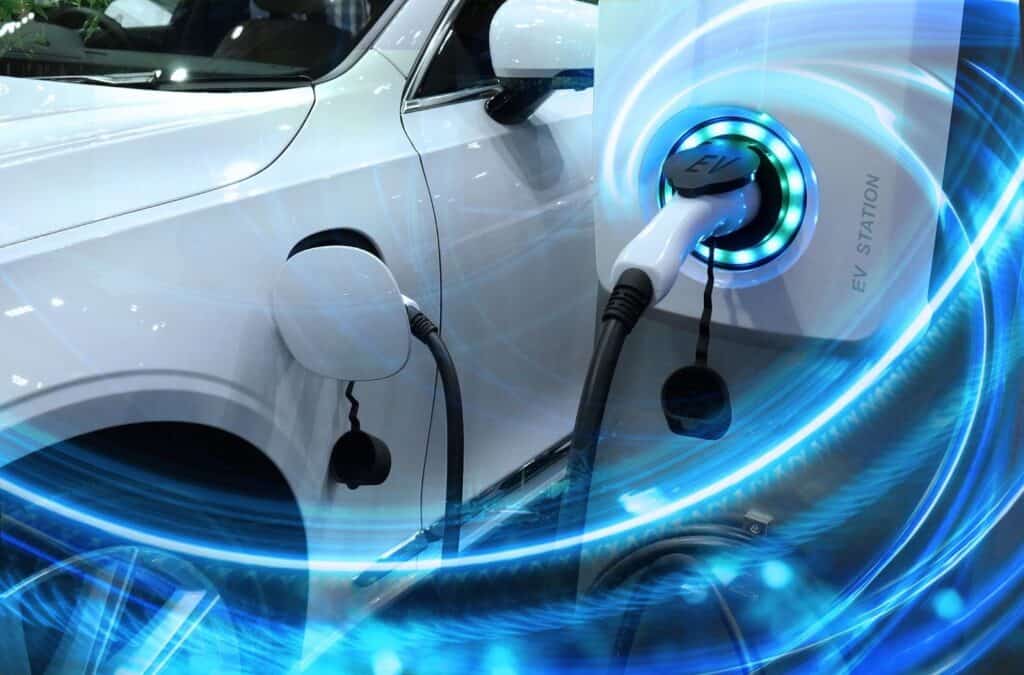
According to Next Move Strategy Consulting, the South Korea Electric Vehicle (EV) Charging Market is on track to experience robust growth, with the market valued expected to reach USD 4,800.6 million by 2030. This represents a staggering compound annual growth rate (CAGR) of 36.3% from 2023 to 2030. The rapid expansion of EV adoption, combined with strong government initiatives and technological advancements in charging infrastructure, is propelling South Korea’s transition toward a sustainable electric mobility ecosystem.
Market Overview: An Emerging Leader in EV Adoption
South Korea Electric Vehicle (EV) Charging Market infrastructure is witnessing transformative growth as the country accelerates its commitment to sustainable transportation. With rising concerns over carbon emissions and air pollution, the South Korean government has focused on reducing greenhouse gas emissions from the transportation sector. The adoption of electric vehicles (EVs) is seen as a key solution, significantly reducing carbon footprints and minimizing harmful gases emitted by traditional fossil fuel-powered vehicles.
Click Here for Your FREE Sample!
The electric vehicle (EV) chargers play a vital role in this transition by providing the essential infrastructure for recharging electric vehicles. These chargers are classified into different levels based on the rate of energy delivery to the vehicle’s battery. Level 1, Level 2, and Level 3 chargers vary in charging speed, with Level 3 fast chargers gaining popularity for their ability to recharge EVs much more quickly, supporting long-distance travel.
Government Initiatives and Investments Fueling the Growth
The South Korean government has been a crucial driver behind the development of the nation’s EV infrastructure. The government’s strategic investment into the EV sector has helped accelerate the growth of EV charging stations. With a target of deploying 4.5 million eco-friendly vehicles, including 3.62 million electric vehicles, by 2030, the government’s investments are laying the foundation for an expansive network of charging infrastructure.
Local Companies and Strategic Partnerships Drive Market Momentum
Local South Korean companies have been at the forefront of innovation in the EV charging space, with major players such as Hyundai Motor Group spearheading the development of fast-charging infrastructure. In 2021, Hyundai Motor Group launched its E-pit fast charging stations, which included 120 charging points capable of delivering up to 350kW of power. This development marked a significant step forward in supporting South Korea’s fast-growing EV market.
Hyundai has also partnered with Lotte Group and KB Asset Management to expand ultra-fast charging stations across the country. Their goal is to increase the number of fast chargers to 5,000 units by 2025, highlighting the growing role of public-private partnerships in scaling EV charging infrastructure.
Fast Chargers: Challenges and Opportunities
While the market for EV charging infrastructure is expanding rapidly, one of the most significant challenges facing the industry is the high upfront cost of setting up fast chargers. Level 3 and ultra-fast chargers, which offer significantly faster charging times, come with substantial installation expenses, making them an expensive proposition for businesses and municipalities looking to install charging stations.
Vehicle-to-Grid (V2G) Technology: A Game-Changer for EV Charging
Vehicle-to-grid (V2G) technology, which allows electric vehicles to both charge and discharge energy to and from the power grid, is poised to be a transformative innovation in the EV charging sector. In South Korea, this technology is expected to open up new opportunities for energy storage and grid management. V2G technology enables EV owners to store excess electricity in their vehicles and supply it back to the grid during peak demand, helping balance energy loads and improve grid stability.
Competitive Landscape: Key Market Players
The South Korea Electric Vehicle (EV) Charging Market is highly competitive, with both international and local players offering a wide range of products and services. Key companies in the market include:
- ABB Ltd.: A global leader in providing EV charging solutions, ABB has a significant presence in the South Korean market with its networked charging stations and advanced technology.
- ChargePoint, Inc.: ChargePoint offers both residential and commercial charging solutions, with a focus on networked stations and fast-charging capabilities.
- Tesla Inc.: Tesla’s Supercharger network plays a critical role in fast-charging for Tesla vehicles, and the company continues to expand its infrastructure in South Korea.
- Shell Recharge Solutions: Shell’s commitment to the EV market includes the deployment of fast chargers at strategic locations, supporting the growth of electric mobility.
- Siemens: Siemens offers a range of EV charging infrastructure solutions and plays an active role in the development of South Korea’s smart charging network.
- Hyundai Motor Company: Hyundai is not only a major player in EV manufacturing but also in charging infrastructure development, with initiatives like the E-pit fast charging stations.
These companies are engaged in constant innovation, striving to offer efficient, reliable, and cost-effective charging solutions that meet the growing demand for electric vehicles.
Key Market Segments
The South Korea EV charging market is segmented into various categories, providing valuable insights into the evolving landscape:
- Charging Type: Includes off-board top-down pantographs, on-board bottom-up pantographs, and charging via connectors.
- Charging Voltage Level: The market includes Level 1 (<3.7 kW), Level 2 (3.7-22 kW), and Level 3 (above 22 kW) chargers, with Level 3 chargers leading the way in fast charging.
- Charger Type: Encompasses slow chargers, fast chargers, and super chargers.
- IOT Connectivity: Non-connected charging stations and smart connected (networked) stations that offer enhanced functionality and real-time monitoring.
- Vehicle Charging: Includes AC (normal charging), DC (super charging), and inductive charging.
- Installation Type: Includes portable charging, fixed charging, wall-mounted, pedestal-mounted, and ceiling-mounted charging stations.
Outlook for the South Korean EV Charging Market
The South Korean Electric Vehicle (EV) Charging Market is poised for remarkable growth, fueled by a combination of strong government support, innovative technological developments, and increasing investments by local companies. With a projected CAGR of 36.3% from 2023 to 2030, the market is expected to reach USD 4,800.6 million by 2030. As the demand for electric vehicles continues to rise, the need for efficient, accessible, and fast-charging solutions will become increasingly vital to supporting South Korea’s green transportation future.
