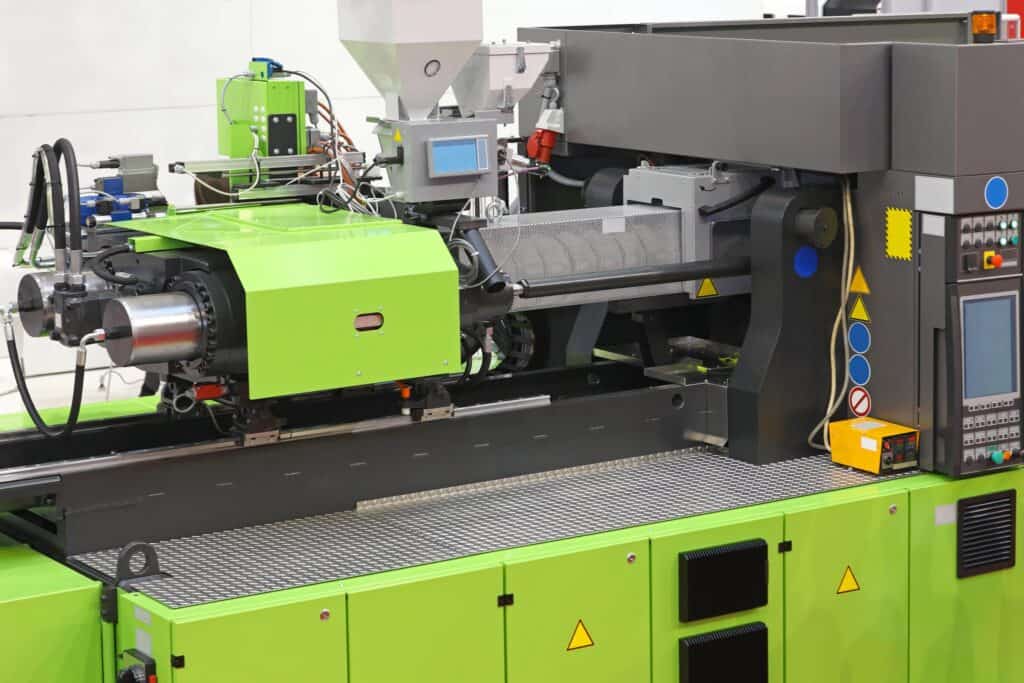
The Asia-Pacific injection molding machine market is projected to experience significant growth over the coming years, driven by increasing demand across key industries such as automotive, packaging, electronics, and consumer goods.
Asia-Pacific Injection Molding Machine Market is predicted to reach USD 11.40 billion with a CAGR of 4.3% by 2030. Injection molding is a key process in producing precision plastic parts used in various applications, ranging from automotive components to consumer electronics. With its cost-effectiveness, speed, and versatility, injection molding remains a vital technique for manufacturers in the Asia-Pacific region, where rapid industrialization and demand for high-quality, high-performance plastic products are driving market growth.
Claim Your FREE Sample and See the Difference!
Key Market Drivers
Several factors are contributing to the strong demand for injection molding machines in Asia-Pacific:
- Automotive Industry: The automotive sector in Asia-Pacific, particularly in countries like China, Japan, South Korea, and India, continues to be one of the primary drivers of the injection molding machine market. The increasing demand for lightweight and energy-efficient vehicles has led to a surge in the use of plastic components in automotive manufacturing. Injection molding machines are used to produce a wide range of parts, including interior components, bumpers, dashboards, and under-the-hood components. Additionally, the growth of electric vehicles (EVs) in the region is further boosting the demand for specialized plastic components that meet performance and weight reduction requirements.
- Packaging Industry: The packaging industry in Asia-Pacific is another key factor driving the growth of the injection molding machine market. As consumer demand for packaged products increases, particularly in developing economies, the need for efficient, high-volume production of plastic packaging items such as bottles, containers, and food packaging is surging. Manufacturers are looking for ways to increase production speed and reduce material waste, pushing the adoption of more energy-efficient and sustainable injection molding technologies.
- Electronics and Consumer Goods: The electronics and consumer goods industries in Asia-Pacific are rapidly expanding, creating significant demand for injection molded plastic components. In particular, the production of smartphones, wearables, household appliances, and personal care products relies heavily on injection molding for manufacturing high-precision plastic parts. As consumer electronics become more advanced, the need for injection molding machines that can produce complex and intricate parts with high accuracy is growing.
- Medical Devices: The medical device sector in Asia-Pacific is also playing a key role in driving demand for injection molding machines. With increasing healthcare needs and a growing aging population, the production of medical devices and components such as diagnostic tools, surgical instruments, and pharmaceutical packaging is on the rise. Injection molding provides the precision and reliability required for medical applications, leading to higher adoption rates in this sector.
Technological Advancements Shaping the Market
The injection molding machine market in Asia-Pacific is undergoing a transformation, driven by advancements in technology that enhance machine efficiency, precision, and sustainability. Key trends in the market include:
- Automation and Smart Manufacturing: Automation and the integration of Industry 4.0 technologies are revolutionizing the injection molding process. Manufacturers in Asia-Pacific are increasingly adopting robotic systems, sensors, and artificial intelligence (AI) to streamline production, reduce cycle times, and improve quality control. Real-time monitoring and predictive maintenance are becoming standard features in modern injection molding machines, enabling manufacturers to optimize operations and minimize downtime.
Don’t Miss This Important Update
- Energy-Efficient Machines: With growing concerns about energy consumption and environmental sustainability, energy-efficient injection molding machines are becoming more popular in the Asia-Pacific region. New machines are designed to consume less power while maintaining high productivity, making them both cost-effective and environmentally friendly. The adoption of electric injection molding machines, which offer higher precision and lower energy consumption compared to traditional hydraulic models, is expected to continue growing in the region.
- Use of Advanced Materials: The demand for advanced plastic materials, such as biodegradable plastics, composites, and high-performance polymers, is rising in the Asia-Pacific region. Injection molding machines are evolving to accommodate these new materials, enabling manufacturers to produce more sustainable and durable products. The growing use of multi-material injection molding, which allows for the combination of different plastics in a single mold, is also a significant trend in the market.
- Customization and Flexibility: As manufacturers in the region seek to meet the demands of a diverse range of industries, the need for customized and flexible injection molding machines is increasing. Machine manufacturers are offering solutions that can be easily adapted to produce a wide variety of parts, from simple plastic components to complex multi-component designs. This flexibility is key to meeting the growing variety of consumer and industrial demands in Asia-Pacific.
Regional Insights
The Asia-Pacific injection molding machine market is dominated by major manufacturing hubs such as China, Japan, South Korea, India, and Southeast Asia.
- China remains the largest market for injection molding machines in the region, driven by its booming manufacturing sector and rapid industrialization. China is a major player in automotive production, electronics manufacturing, and consumer goods production, which are all major drivers of demand for injection molding technologies.
- India is witnessing significant growth in the automotive, packaging, and medical sectors, leading to increased demand for injection molding machines. The country’s rapidly expanding manufacturing base and growing middle class are contributing to the market’s expansion.
- Japan and South Korea have long been leaders in advanced manufacturing technologies, and their well-established automotive and electronics industries continue to drive the adoption of high-precision injection molding machines.
- Southeast Asia, particularly countries like Thailand, Vietnam, and Indonesia, is becoming an increasingly important manufacturing hub for global companies. These regions are seeing significant investments in injection molding technology as local industries, particularly automotive and packaging, continue to expand.
Challenges Facing the Market
While the Asia-Pacific injection molding machine market presents significant opportunities, there are several challenges that may impact its growth:
- Raw Material Price Volatility: Fluctuations in the price of raw materials, especially plastics and resins, can affect the profitability of injection molding operations. Manufacturers must navigate these fluctuations to maintain cost-efficiency in production.
- Skilled Labor Shortage: As the injection molding industry becomes more advanced with the adoption of automation and smart technologies, the need for skilled labor is increasing. However, there is a shortage of workers with the expertise to operate and maintain these advanced machines, which could hinder market growth.
- Supply Chain Disruptions: Global supply chain disruptions, particularly those stemming from geopolitical tensions or the impact of the COVID-19 pandemic, have affected the availability of raw materials and machine components. These disruptions may lead to delays and increased costs for manufacturers.
Competitive Landscape
The Asia-Pacific injection molding machine market is highly competitive, with both global and regional players providing a variety of solutions. Leading international companies such as Engel, Arburg, Haitian International, and Sumitomo (SHI) Demag are established players in the region. Additionally, several local manufacturers are emerging as key competitors, offering cost-effective solutions and tailored services to meet the specific needs of Asia-Pacific industries.
Conclusion
The Asia-Pacific injection molding machine market is poised for robust growth, driven by the increasing demand for high-quality plastic components across automotive, packaging, electronics, and healthcare sectors. Technological advancements in automation, energy efficiency, and advanced materials are shaping the future of the market, while challenges such as raw material price fluctuations and skilled labor shortages must be addressed.
