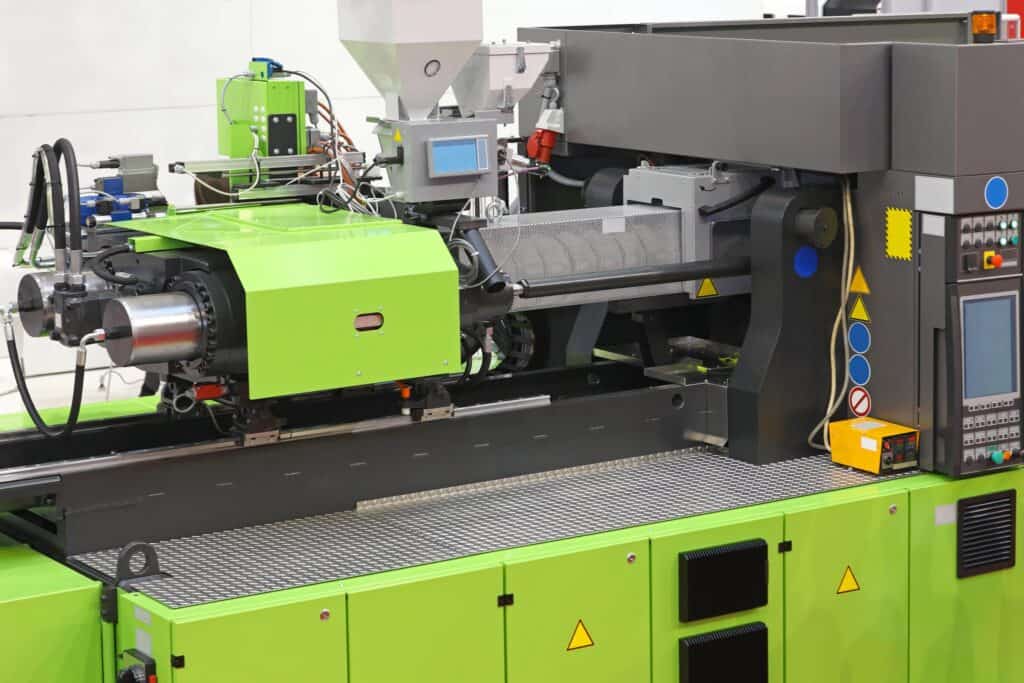
According to Next Move Strategy Consulting, the U.S. Injection Molding Machine Market is projected to reach USD 3.40 billion by 2030, reflecting a compound annual growth rate (CAGR) of 4.3% from 2024 to 2030. Injection molding machines are vital industrial tools used to precisely and efficiently inject molten plastic into molds, enabling the mass production of various plastic components. These machines serve critical applications across industries such as automotive, healthcare, consumer goods, electronics, and packaging.
Robust Manufacturing Landscape Drives Market Growth
The U.S. Injection Molding Machine Market benefits significantly from the country’s dynamic manufacturing sector, which has long been a cornerstone of its economy. This sector is marked by innovation and the widespread application of injection molding across industries, including automotive, packaging, consumer goods, electronics, and medical devices. The automotive industry, in particular, has seen a major shift toward replacing traditional metal components with lightweight plastic alternatives, spurring demand for injection molding technologies.
Click Here for Your FREE Sample!
Additionally, the packaging industry in the U.S. is experiencing a shift towards more sustainable and cost-effective solutions. This sector has placed significant emphasis on improving product durability, enhancing sealing capabilities to prevent contamination, and reducing material thickness. Injection compression molding (ICM) methods, as part of this movement, are being increasingly adopted to meet regulatory guidelines aimed at sustainability and longer shelf-life for food products. The need to reduce weight without compromising on performance remains a crucial driver of the U.S. injection molding market.
Growing Demand in the Healthcare Sector
The healthcare sector has become a major area of focus for innovation in manufacturing, especially in medical devices and components. Rising investments in medical technologies and the growing interest in biodegradable resins for device manufacturing are expected to contribute significantly to the growth of the U.S. injection molding market. Medical device manufacturers are increasingly turning to injection molding to produce precision components with advanced materials, such as biodegradable plastics, to meet the demand for environmentally friendly solutions.
The automotive industry’s demand for cost-effective, lightweight components also continues to drive growth. As automakers increasingly adopt plastics to reduce production costs and improve fuel efficiency, the need for high-performance injection molding machines will rise. These trends in the automotive and healthcare sectors position the injection molding machine market as a critical component of U.S. manufacturing growth in the coming years.
Challenges Posed by Emerging Technologies
While the U.S. injection molding machine market enjoys strong growth prospects, the rise of alternative manufacturing technologies, such as 3D printing.
and additive manufacturing, presents challenges to traditional methods. These technologies offer advantages like rapid prototyping, customization, and reduced waste, which appeal to industries requiring high levels of personalization or flexibility in production.
The impact of 3D printing is particularly noticeable in industries that prioritize small production runs, unique designs, or on-demand manufacturing, such as consumer goods and electronics. As these alternatives continue to evolve and gain market share, traditional injection molding machine manufacturers must find ways to adapt and stay competitive in an increasingly diversified manufacturing landscape.
Opportunities in Customized and Personalized Products
One of the most promising growth opportunities for the U.S. injection molding machine market lies in the rising demand for customized and personalized products. As consumers increasingly seek products tailored to their specific needs, industries such as consumer goods, electronics, and healthcare are turning to injection molding to meet these demands. Machines that allow for the quick switching of molds and the production of small batches are enabling manufacturers to meet the growing need for customization without sacrificing efficiency.
Injection molding machines that offer greater flexibility and the ability to produce small, custom-designed items are key to tapping into this trend. From creating consumer goods with unique features to manufacturing medical components with precise specifications, the demand for such customized products presents substantial opportunities for market expansion.
U.S. Injection Molding Machine Market Segmentation
The U.S. injection molding machine market is segmented by product type, machine type, clamping force, business type, and end-user industry. Key segments include:
By Product Type:
- Plastic (Thermoplastics, Thermosets)
- Rubber
- Metal
- Powder
- Liquid
- Ceramic
- Others
By Machine Type:
- Hydraulic
- All-electric
- Hybrid
By Clamping Force:
- Below 200 Tons
- 200–500 Tons
- Above 500 Tons
By Business Type:
- New Sales
- Aftersales
By End-User Industry:
- Automotive (Interior, Trim, Exterior, Others)
- Packaging (Caps and Closures, Thin-wall Containers, Lids, Others)
- Personal Care (Containers, PET Preforms, Others)
- Electronics
- Healthcare
- Consumer Goods
- Toy Making
- Building and Construction (Flooring, Windows, Doors, Others)
- Home Appliances
- Others
Competitive Landscape
The U.S. injection molding machine market is characterized by a competitive landscape that includes several established market players. Leading companies in the market include:
- Hillenbrand, Inc.
- Sumitomo Heavy Industries
- The Japan Steel Works
- NISSEI
- Ube Industries, Ltd.
- ENGEL
- ARBURG
- Haitian International
- Husky Injection Molding Systems
- KraussMaffei Group
These companies are engaged in the development of advanced injection molding technologies, expanding their product portfolios, and strengthening their market presence in the U.S. The competitive nature of the market has led to significant investments in R&D and a continued focus on innovation to meet the evolving demands of various industries.
Market Outlook and Future Trends
Key factors driving this growth include the continued expansion of manufacturing capabilities in the automotive, packaging, and healthcare industries, as well as the growing demand for customization and personalization in products. However, manufacturers must stay vigilant of emerging technologies like 3D printing and additive manufacturing, which may pose challenges to traditional injection molding methods.
The increasing emphasis on sustainable practices and the development of biodegradable and recyclable materials in sectors like packaging and healthcare also presents new avenues for growth. Companies that can innovate and adapt to these trends while maintaining cost-efficiency will be well-positioned to capitalize on the expanding U.S. injection molding market.
Conclusion
The U.S. injection molding machine market is set for significant growth in the coming years, driven by a strong manufacturing base, technological advancements, and the demand for customized and sustainable solutions across various industries. As the market evolves, manufacturers will need to continue investing in innovation and adapting to new production technologies to remain competitive.
