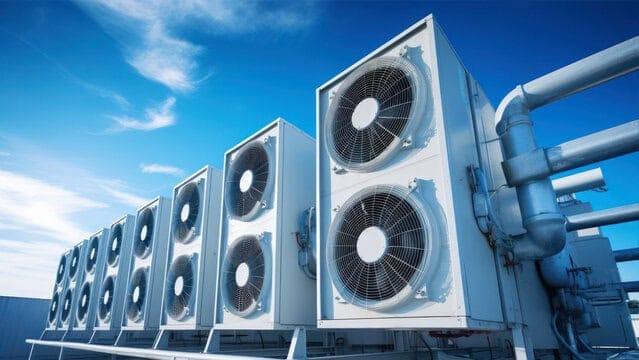
According to Next Move Strategy Consulting, the Germany HVAC System Market, is expected to experience robust growth, reaching USD 12 billion by 2030. This growth represents a compound annual growth rate (CAGR) of 4% from 2024 to 2030, fueled by urbanization, construction trends, and the increasing demand for energy-efficient solutions.
Understanding HVAC Systems and Their Benefits
Germany HVAC System Market are essential technologies used to regulate indoor conditions in buildings, ensuring occupant comfort and safety. These systems are comprised of heating, ventilation, and air conditioning components that maintain optimal indoor temperature, humidity, and air quality. Heating systems provide warmth during colder months, ventilation systems circulate and renew indoor air, and air conditioning systems cool and dehumidify air during warmer months.
Click Here for Your FREE Sample!
The benefits of HVAC systems extend beyond comfort. These systems contribute to improved air quality by filtering out allergens and pollutants, enhancing energy efficiency, and promoting better health and productivity. Additionally, HVAC systems help safeguard buildings from extreme weather conditions, preserve infrastructure, and support sustainability goals by reducing carbon emissions and promoting eco-friendly practices.
Urbanization and Construction Trends Fuel HVAC Market Growth
One of the primary drivers of the Germany HVAC market’s expansion is the rapid urbanization and increased construction activity. As urban populations continue to grow, the demand for HVAC systems rises across residential, commercial, and industrial buildings, including apartments, office complexes, shopping malls, and factories.
Germany’s commitment to green building initiatives and sustainability has further propelled the demand for energy-efficient HVAC systems. These initiatives are part of stringent government regulations aimed at reducing environmental impacts, including the carbon footprint of buildings. In new construction projects, these sustainability mandates are leading to the incorporation of eco-friendly HVAC solutions. Moreover, the growing trend of retrofitting and renovating older buildings with more energy-efficient HVAC systems has added to the market demand.
The integration of smart technologies and building automation systems is enhancing HVAC performance, further promoting the use of advanced HVAC systems that optimize energy consumption and building efficiency. This interconnectedness of urbanization, sustainable construction, and technological advancements plays a crucial role in the HVAC industry’s growth in Germany.
Energy-Saving Regulations Catalyze Market Expansion
Energy-saving regulations in Germany are significantly contributing to the HVAC system market’s expansion. These regulations aim to reduce energy consumption in buildings, prompting both commercial and residential property owners to adopt more efficient HVAC systems. Germany’s commitment to reducing carbon emissions and improving energy efficiency is reinforcing the adoption of cutting-edge HVAC solutions that meet these standards.
As a result, HVAC manufacturers are focusing on developing innovative systems that comply with energy-saving regulations, leading to the creation of high-performance, energy-efficient solutions. Homeowners and businesses alike are increasingly investing in HVAC technologies that offer both regulatory compliance and reduced energy costs. The rising awareness of the long-term cost savings associated with energy-efficient systems has led to greater demand, particularly in the residential sector, where homeowners are becoming more conscious of their environmental impact.
Raw Material Price Volatility Poses Challenges to Market Growth
While the HVAC system market is poised for significant growth, there are challenges that could impact its trajectory. One of the most pressing issues is the volatility in raw material prices, including essential components such as steel, copper, and aluminum. These price fluctuations, driven by inflation and global supply chain disruptions, have increased production costs for HVAC manufacturers.
For small and medium-sized companies, these rising costs can create margin pressures and hinder profitability. The additional financial strain may also reduce the ability to invest in innovation and research and development (R&D), potentially slowing the introduction of new technologies and solutions to the market. The price volatility of raw materials represents a restraint on HVAC market growth, making it a critical challenge for industry players to navigate.
IoT Integration Drives Innovation in HVAC Systems
The integration of Internet of Things (IoT) technology into HVAC systems is opening new opportunities for growth within the industry. IoT-enabled HVAC systems provide enhanced functionality by allowing remote monitoring and control, optimized energy usage, and predictive maintenance. This technological advancement empowers users to manage HVAC systems more effectively, reducing energy consumption and extending the lifespan of equipment.
Incorporating IoT technology into HVAC systems not only improves operational efficiency but also enhances user comfort and convenience. For example, users can adjust temperature settings remotely, monitor air quality, and receive alerts for maintenance needs, all of which improve overall system performance. As buildings demand more intelligent, efficient, and user-friendly solutions, IoT integration in HVAC systems will continue to drive growth, offering a significant market opportunity.
Competitive Landscape: Leading Companies in the German HVAC Market
The German HVAC system market is characterized by the presence of several key players, each striving to leverage technological advancements and capture a larger share of the growing market. Prominent companies operating in the German HVAC market include:
- Midea Group Co. Ltd.
- Daikin Industries Ltd.
- Gree Electric Appliances Inc.
- Johnson Controls International Plc.
- Carrier Global Corporation
- Samsung Electronics Co., Ltd.
- Trane Technologies Plc.
- LG Electronics Inc.
- Panasonic Holdings Corporation
- Lennox International Inc.
These companies compete on various fronts, including product innovation, energy efficiency, and pricing strategies. Many are increasingly focused on developing smart and energy-efficient HVAC solutions to meet the growing demand for sustainable building practices and energy-saving regulations.
Market Segmentation: Tailored Solutions for Diverse Needs
The German HVAC system market is segmented into various categories based on equipment type, implementation type, and end-user application. This segmentation allows for a deeper understanding of market dynamics and provides tailored solutions to meet the needs of different sectors. Key segments include:
By Equipment:
- Cooling Equipment:
- Unitary Air Conditioners
- Variable Refrigerant Flow (VRF) Systems
- Chillers
- Room Air Conditioners
- Coolers
- Cooling Towers
- Heating Equipment:
- Heat Pumps
- Furnaces
- Unitary Heaters
- Boilers
- Ventilation Equipment:
- Air-handling Units (AHUs)
- Air Filtration Systems
- Ventilation Fans
- Heat Recovery Ventilators (HRVs) & Energy Recovery Ventilators (ERVs)
- Air Purification Systems
By Implementation Type:
- New Construction
- Retrofit
By End User:
- Residential
- Commercial
- Industrial
Each of these segments caters to different customer needs, with residential applications focusing on comfort and energy efficiency, commercial applications prioritizing air quality and productivity, and industrial applications emphasizing operational efficiency.
Market Outlook and Future Trends
The Germany HVAC system market is set to grow steadily through 2030, driven by increasing urbanization, stringent energy-saving regulations, and the growing demand for smart, energy-efficient solutions. The market’s expansion is expected to continue as building owners, both residential and commercial, invest in advanced HVAC systems that comply with environmental standards and optimize energy usage.
Conclusion
The Germany HVAC system market is on a strong growth trajectory, supported by urbanization, rising energy-saving regulations, and the increasing integration of smart technologies. Although challenges such as raw material price volatility exist, the opportunities for innovation, particularly with IoT-enabled HVAC systems, will continue to drive market expansion. Companies that embrace sustainability and invest in smart technologies are well-positioned to thrive in this dynamic market.
