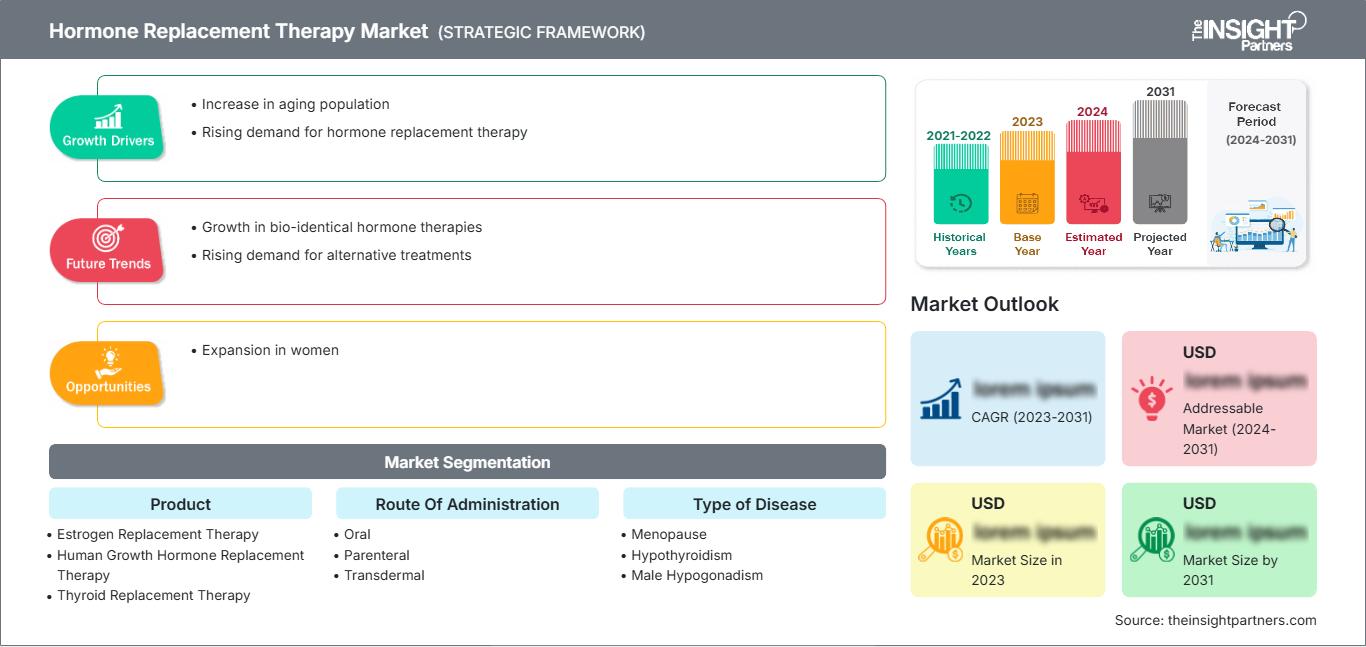
According to market projections, the hormone replacement therapy market size is expected to reach US$ 40.88 billion by 2034 from US$ 25.45 billion in 2025. The market is anticipated to register a CAGR of 5.41% during the forecast period 2026–2034. This growth highlights the increasing adoption of hormone-based therapies and expanding healthcare interventions globally.
The global Hormone Replacement Therapy (HRT) market is experiencing consistent growth, fueled by the increasing prevalence of hormonal imbalances, rising awareness about menopause management, and advancements in personalized medical treatments. Hormone replacement therapy plays a critical role in restoring hormone levels in individuals dealing with menopause, hypothyroidism, hypogonadism, and other endocrine disorders.
Download Sample PDF @ https://www.theinsightpartners.com/sample/TIPRE00003836
Key Market Drivers
- Rising Prevalence of Hormonal Disorders
The increasing incidence of hormonal imbalances, including menopause-related symptoms, thyroid disorders, and androgen deficiencies, is a primary driver of the HRT market. Women undergoing menopause often require estrogen and progesterone therapy to manage symptoms such as hot flashes, mood swings, and osteoporosis risk. Similarly, growing awareness of testosterone deficiency in men is driving demand for androgen replacement therapy.
- Expanding Geriatric Population
The global rise in the aging population significantly contributes to market growth. Older individuals are more prone to hormonal imbalances and age-related endocrine disorders, necessitating long-term hormone therapies. As life expectancy increases, the demand for effective and safe HRT solutions continues to rise.
- Increasing Awareness and Acceptance of HRT
Public awareness campaigns and improved patient education are encouraging the adoption of hormone replacement therapy. Previously associated with certain health risks, advancements in formulations and dosage control have enhanced treatment safety, boosting patient confidence and acceptance globally.
- Technological Advancements and Drug Innovation
Pharmaceutical companies are focusing on developing advanced hormone therapies with improved efficacy and reduced side effects. Innovations include bioidentical hormone therapies, transdermal patches, gels, and long-acting injectables. These delivery methods enhance patient convenience and compliance, further accelerating market growth.
- Growth in Personalized Medicine
The shift toward personalized healthcare is transforming hormone replacement therapy. Genetic profiling and individualized treatment plans allow healthcare providers to tailor therapies based on patient-specific needs, improving outcomes and reducing adverse effects. This trend is expected to create lucrative opportunities in the coming years.
- Increasing Healthcare Investments
Rising healthcare expenditure in both developed and emerging economies is improving access to advanced treatments, including hormone replacement therapies. Government initiatives promoting women’s health and endocrine disorder management are supporting widespread market adoption.
Get Full Copy @ https://www.theinsightpartners.com/buy/TIPRE00003836
Market Segmentation Overview
The hormone replacement therapy market is segmented based on product type, route of administration, application, and geography.
By Product Type
- Estrogen replacement therapy
- Progesterone replacement therapy
- Testosterone replacement therapy
- Thyroid hormone therapy
Estrogen replacement therapy dominates the market, largely due to its extensive use in managing menopause-related symptoms.
By Route of Administration
- Oral
- Transdermal
- Injectable
- Others
Transdermal delivery methods are gaining significant traction due to their convenience and reduced risk of side effects compared to oral therapy.
By Application
- Menopause management
- Hypothyroidism
- Male hypogonadism
- Growth hormone deficiency
- Others
Menopause management accounts for the largest share, reflecting the increasing demand for women’s healthcare solutions worldwide.
Key Market Players
The global hormone replacement therapy market is competitive, with several major pharmaceutical companies focusing on product innovation and expansion strategies. Leading players include:
- Pfizer Inc.
- Novartis AG
- AbbVie Inc.
- Merck & Co., Inc.
- Novo Nordisk A/S
- Eli Lilly and Company
- Bayer AG
- Ferring Pharmaceuticals
- Teva Pharmaceutical Industries Ltd.
- Mylan N.V. (Viatris Inc.)
These companies are actively engaged in research & development, strategic partnerships, and product launches to strengthen their market presence.
Regional Insights
North America holds a dominant share of the hormone replacement therapy market due to advanced healthcare systems, high awareness levels, and strong presence of leading pharmaceutical companies. The region also benefits from favorable reimbursement policies and early adoption of innovative therapies.
Europe follows with steady growth supported by robust healthcare infrastructure and increasing geriatric population.
The Asia-Pacific region is expected to witness the fastest growth during the forecast period. Rapid urbanization, improving healthcare access, and increasing awareness about hormonal health in countries such as China and India are driving regional expansion.
Related Reports @
OTC Hair Loss Treatments Market Report 2031
Otc Consumer Healthcare Market Growth, Analysis, and Forecast by 2031
About Us –
The Insight Partners provides comprehensive syndicated and tailored market research services in the healthcare, technology, and industrial domains. Renowned for delivering strategic intelligence and practical insights, the firm empowers businesses to remain competitive in ever-evolving global markets.
Contact Us:
Contact Person: Ankit Mathur
E-mail: ankit.mathur@theinsightpartners.com
Phone: +1-646-491-9876
Also Available in : Korean German Japanese French Chinese Italian Spanish
