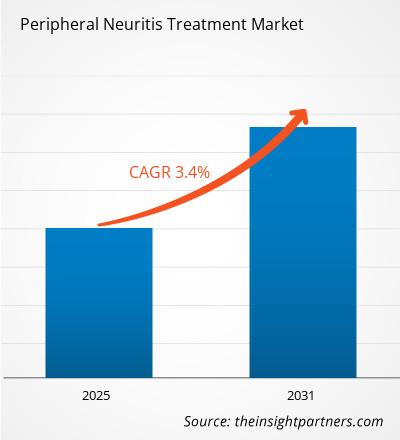
The Peripheral Neuritis Treatment Market is anticipated to experience significant growth, with projections indicating that the market size will reach US$ 2.85 billion by 2034, increasing from US$ 1.97 billion in 2025. This growth reflects a promising CAGR of 4.72% during the forecast period from 2026 to 2034. This article delves into the key drivers of the peripheral neuritis treatment market, trends, regional analysis, and future outlook, providing valuable insights for stakeholders and businesses involved in this essential therapeutic area.
Download Sample PDF @ https://www.theinsightpartners.com/sample/TIPRE00040773
Market Drivers
Increasing Incidence of Peripheral Neuritis
One of the primary drivers of the peripheral neuritis treatment market is the rising incidence of peripheral neuritis, a condition characterized by damage to the peripheral nerves. Factors contributing to the increasing prevalence of peripheral neuritis include diabetes, autoimmune diseases, infections, and exposure to toxins. As the global prevalence of these underlying conditions rises, the demand for effective treatments for peripheral neuritis is expected to grow significantly.
Growing Awareness and Diagnosis
The growing awareness of peripheral neuritis among healthcare providers and patients is contributing to increased diagnosis rates. As more individuals become aware of the symptoms and potential complications associated with peripheral neuritis, they are more likely to seek medical attention. Enhanced diagnostic capabilities and improved screening methods further facilitate the identification of this condition, driving demand for therapeutic options.
Advancements in Treatment Options
Ongoing advancements in treatment options for peripheral neuritis are enhancing the efficacy and safety of available therapies. New drugs and treatment modalities are being developed to target the underlying causes of peripheral neuritis, providing better outcomes for patients. These advancements not only improve treatment effectiveness but also attract more patients seeking effective solutions for their nerve-related issues.
Supportive Regulatory Environment
The regulatory environment for pharmaceuticals is becoming increasingly supportive, with agencies such as the FDA and EMA facilitating the approval of innovative therapies for peripheral neuritis. This supportive framework encourages pharmaceutical companies to invest in research and development for treatments targeting this condition, further driving market growth. Regulatory support helps ensure that safe and effective products reach consumers in a timely manner.
Increasing Healthcare Expenditure
Rising healthcare expenditure across various regions is another significant driver of the peripheral neuritis treatment market. As healthcare systems improve and more individuals gain access to medical services, the demand for effective treatments for peripheral neuritis is expected to increase. Increased healthcare spending enables patients to seek appropriate therapies, including those for peripheral neuritis.
Regional Analysis
North America
North America is expected to hold a significant share of the peripheral neuritis treatment market. The region’s well-established healthcare infrastructure, coupled with the rising prevalence of diabetes and other risk factors associated with peripheral neuritis, drives demand for treatment options. Additionally, the presence of major pharmaceutical companies and ongoing research initiatives contribute to the market’s growth in this region.
Europe
Europe is also witnessing substantial growth in the peripheral neuritis treatment market. The increasing incidence of peripheral neuritis and the growing awareness of treatment options are key factors driving market demand. Furthermore, the region’s stringent regulatory framework for pharmaceuticals ensures high-quality standards, which boosts the adoption of peripheral neuritis treatments.
Asia-Pacific
The Asia-Pacific region is projected to experience rapid growth in the peripheral neuritis treatment market. The rise in disposable income, coupled with a growing population and increasing healthcare expenditure, are contributing to market expansion. Additionally, the increasing availability of medications and improved healthcare infrastructure in countries like India and China are expected to boost demand for peripheral neuritis treatments.
Latin America
In Latin America, the peripheral neuritis treatment market is growing due to increasing awareness of neurological health issues and the need for effective treatment options. The region is witnessing improvements in healthcare access and affordability, encouraging patients to seek therapies that include treatments for peripheral neuritis.
Middle East and Africa
The Middle East and Africa are gradually emerging as potential markets for peripheral neuritis treatments. The increasing prevalence of diabetes and other conditions leading to peripheral neuritis drives demand. However, challenges such as limited healthcare access and economic constraints may impact market growth in certain areas.
Get Full Copy @ https://www.theinsightpartners.com/buy/TIPRE00040773
Key Players in the Market
Several leading companies are instrumental in shaping the peripheral neuritis treatment market. These players are engaged in the research, development, and distribution of treatments for peripheral neuritis and related products. Some of the top companies include:
- Pfizer: A global leader in pharmaceuticals, Pfizer develops a range of medications, including those for nerve-related conditions.
- Novartis: Novartis is known for its commitment to innovative therapies, including treatments for peripheral neuritis.
- Merck & Co.: Merck focuses on research and development of pharmaceuticals, including those targeting neurological disorders.
- Johnson & Johnson: This healthcare giant is involved in the development of various therapeutic options, including those for peripheral neuritis.
- Eli Lilly: Eli Lilly is dedicated to developing innovative therapies for a variety of health conditions, including nerve disorders.
- AstraZeneca: AstraZeneca develops a range of pharmaceutical products, including those aimed at treating peripheral neuritis.
- Biogen: Biogen specializes in therapies for neurological conditions, making it a key player in the peripheral neuritis treatment market.
- GSK: GlaxoSmithKline is involved in the development and distribution of pharmaceuticals, including treatments for peripheral neuropathy.
- Roche: Roche focuses on innovative therapies and has a portfolio that includes treatments for nerve-related conditions.
- Teva Pharmaceutical Industries: Teva is a leading generic and specialty pharmaceuticals company, offering a variety of treatments for peripheral neuritis.
Future Outlook
The peripheral neuritis treatment market is expected to continue its growth trajectory in the coming years. The increasing prevalence of peripheral neuritis, coupled with growing awareness and advancements in treatment options, will drive demand for these therapies. Additionally, the supportive regulatory environment will facilitate the entry of innovative products into the market.
As the focus on neurological health continues to grow, stakeholders must remain vigilant in monitoring trends and adapting to the evolving landscape. The emphasis on quality and innovation will play a crucial role in shaping the future of the peripheral neuritis treatment market.
Contact Us:
Contact Person: Ankit Mathur
E-mail: ankit.mathur@theinsightpartners.com
Phone: +1-646-491-9876
