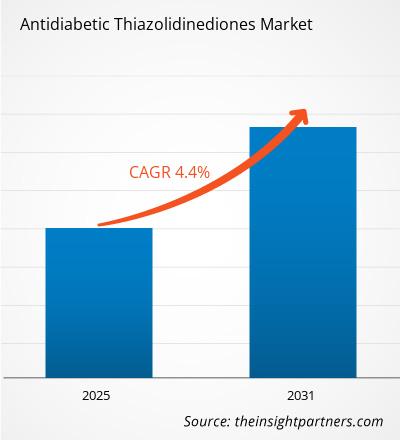
According to The Insight Partners, the Antidiabetic Thiazolidinediones Market is projected to grow from US$ 3.99 Billion in 2025 to US$ 5.2 Billion by 2034, registering a CAGR of 3.37% during 2026–2034. The market continues to benefit from the rising global burden of diabetes, increasing awareness regarding long-term glycemic control, and continuous advancements in pharmaceutical formulations. Although newer antidiabetic drug classes have entered the market, thiazolidinediones remain an important treatment option for selected patients due to their insulin-sensitizing mechanism.
Thiazolidinediones (TZDs) are oral antidiabetic medications primarily prescribed for patients with type 2 diabetes mellitus. These drugs work by improving insulin sensitivity in adipose tissue, skeletal muscle, and the liver through activation of peroxisome proliferator-activated receptor gamma (PPAR-γ). This unique mechanism helps lower blood glucose levels while addressing insulin resistance, one of the primary causes of type 2 diabetes. As healthcare providers continue to personalize diabetes treatment strategies, thiazolidinediones maintain a valuable role within combination therapies and individualized patient care plans.
Get a Sample PDF – https://www.theinsightpartners.com/sample/TIPRE00021679
The increasing prevalence of diabetes remains the primary driver of market growth. Sedentary lifestyles, unhealthy dietary habits, obesity, and aging populations have significantly increased the number of patients diagnosed with type 2 diabetes worldwide. Healthcare systems across developed and emerging economies are focusing on early diagnosis and long-term disease management, creating sustained demand for effective glucose-lowering therapies. Thiazolidinediones continue to be prescribed in specific patient populations where insulin sensitization provides meaningful therapeutic benefits.
Growing awareness regarding comprehensive diabetes management has further strengthened market demand. Physicians increasingly recognize the importance of addressing insulin resistance alongside glycemic control to reduce long-term complications associated with diabetes. As clinical guidelines evolve, thiazolidinediones are frequently utilized as part of combination treatment regimens alongside metformin, DPP-4 inhibitors, SGLT2 inhibitors, and other antidiabetic medications. This integrated treatment approach supports consistent utilization of the drug class across healthcare settings.
Pharmaceutical companies continue investing in research aimed at improving the safety profile and therapeutic effectiveness of antidiabetic medications. Although concerns regarding adverse effects have influenced prescribing practices in certain patient groups, ongoing pharmacovigilance, improved patient selection, and evidence-based prescribing have helped sustain the relevance of thiazolidinediones in diabetes management. Advances in formulation technologies and combination therapies further enhance treatment adherence and clinical outcomes.
Healthcare infrastructure improvements across emerging economies also contribute significantly to market expansion. Countries in Asia-Pacific, Latin America, and the Middle East are witnessing rising healthcare investments, expanding pharmaceutical access, and improved diabetes screening programs. Increasing availability of generic medications has made thiazolidinediones more affordable, allowing healthcare providers to deliver effective treatment to larger patient populations.
The market is also supported by favorable government initiatives aimed at reducing the burden of non-communicable diseases. National diabetes prevention programs, patient education campaigns, and expanded health insurance coverage encourage early intervention and continuous disease management. These initiatives improve diagnosis rates and increase access to essential medications, creating long-term opportunities for pharmaceutical manufacturers.
Despite positive market growth, certain challenges continue to influence industry dynamics. Concerns regarding cardiovascular risks, fluid retention, weight gain, and bone fracture risk associated with some thiazolidinedione therapies require careful patient monitoring and physician evaluation. Regulatory agencies and healthcare providers emphasize personalized prescribing practices to maximize therapeutic benefits while minimizing potential risks. Competition from newer diabetes drug classes offering additional cardiovascular and renal benefits also presents ongoing challenges for market participants.
Nevertheless, thiazolidinediones continue to demonstrate value in carefully selected patients with insulin resistance. Clinical evidence supporting their effectiveness in improving glycemic control and preserving pancreatic beta-cell function supports their continued inclusion in diabetes treatment guidelines. Combination therapies and individualized treatment strategies are expected to maintain steady demand throughout the forecast period.
Technological advancements in pharmaceutical manufacturing further contribute to market development. Enhanced drug formulation techniques improve product stability, quality, and manufacturing efficiency while ensuring compliance with stringent regulatory standards. The expansion of contract manufacturing organizations and global pharmaceutical supply chains also supports increased product availability across international markets.
Digital healthcare technologies are transforming diabetes management worldwide. Telemedicine, remote patient monitoring, digital therapeutics, and continuous glucose monitoring systems enable physicians to monitor treatment effectiveness more closely. Improved patient engagement and medication adherence contribute to better clinical outcomes, indirectly supporting demand for established oral antidiabetic therapies, including thiazolidinediones.
Emerging economies continue to represent attractive growth opportunities due to rapidly expanding diabetic populations, improving healthcare infrastructure, and increasing pharmaceutical investments. Governments are implementing large-scale screening programs and expanding healthcare accessibility to reduce the long-term economic burden associated with diabetes complications. As healthcare systems mature, demand for affordable and clinically effective medications is expected to increase substantially.
Strategic collaborations, licensing agreements, product portfolio expansions, and mergers remain common competitive strategies among leading pharmaceutical companies. Manufacturers continue strengthening research capabilities while expanding geographic presence through partnerships with regional distributors and healthcare organizations. These initiatives support improved product availability and strengthen market competitiveness.
Key Players
- Bristol-Myers Squibb
- Pfizer
- Boehringer Ingelheim
- Eli Lilly
- Merck and Co.
- AstraZeneca
- GlaxoSmithKline
- Sanofi
- Takeda Pharmaceuticals
- Novo Nordisk
- Mylan Pharmaceuticals Inc.
- Teva Pharmaceuticals USA, Inc.
- Aurobindo Pharma Limited
- Solco Healthcare U.S., LLC
Future Outlook
The future of the antidiabetic thiazolidinediones market remains positive as the global prevalence of type 2 diabetes continues to rise. Growing emphasis on personalized treatment strategies, expanding healthcare access in emerging economies, and increasing adoption of combination therapies will continue supporting market growth. Continued pharmaceutical innovation, improved patient monitoring, and ongoing clinical research are expected to enhance the long-term role of thiazolidinediones within comprehensive diabetes management through 2034.
Get Premium Research Report Market Size and Report at:
https://www.theinsightpartners.com/buy/TIPRE00021679
About Us
The Insight Partners is a one stop industry research provider of actionable intelligence. We help our clients in getting solutions to their research requirements through our syndicated and consulting research services. We specialize in industries such as Semiconductor and Electronics, Aerospace and Defense, Automotive and Transportation, Biotechnology, Healthcare IT, Manufacturing and Construction, Medical Device, Technology, Media and Telecommunications, Chemicals and Materials.
Contact Us
Ankit Mathur | The Insight Partners
E-mail: ankit.mathur@theinsightpartners.com
Phone: +1-646-491-9876
Also Available in : Korean | German | Japanese | French | Chinese | Italian | Spanish
