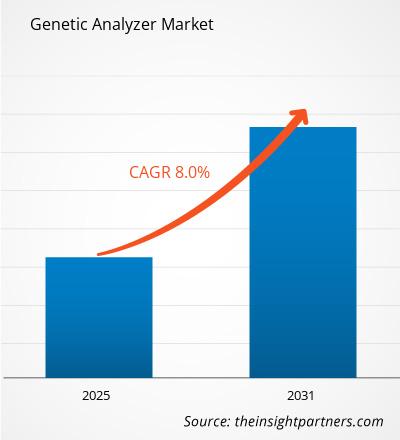
The global Genetic Analyzer Market is set to experience robust growth, with an expected market size of US$ 5.62 billion by 2034, increasing from US$ 2.68 billion in 2025. This growth represents a compound annual growth rate (CAGR) of 8.58% during the forecast period from 2026 to 2034. The rising prevalence of genetic disorders, advancements in sequencing technologies, and the growing interest in personalized medicine are key drivers of this market.
Download Sample PDF @ https://www.theinsightpartners.com/sample/TIPRE00008514
Market Overview
Genetic analyzers are essential tools in molecular biology and genetics, utilized for analyzing DNA, RNA, and proteins. These devices play a crucial role in various applications, including diagnostics, drug discovery, and research and development. The market is segmented by:
- Type: DNA Microarrays, PCR, Next Generation Sequencing (NGS), Serial Analysis of Gene Expression, and Northern Blotting.
- Application: Diagnostics Centres, Drug Discovery, Research and Development, and Others.
A comprehensive analysis is provided at global, regional, and country levels, offering insights into market dynamics, growth opportunities, and challenges.
Key Market Insights
- Current Market Valuation: The global market for genetic analyzers was valued at US$ 2.68 billion in 2025.
- Projected Growth: The total addressable market (TAM) during the forecast period from 2026 to 2034 is expected to reach approximately US$ 37.23 billion.
- Regional Analysis: The United States represents a key market, supported by technological advancements, the rising prevalence of genetic disorders, and a growing interest in personalized medicine.
Driving Factors Behind Market Growth
- Technological Advancements: Recent advancements in DNA sequencing technologies, particularly Next Generation Sequencing (NGS), have transformed the genetic analyzer market. These innovations enable researchers to perform detailed analyses of genetic material faster and more cost-effectively, facilitating early detection of genetic disorders and improving therapeutic outcomes.
- Rising Prevalence of Genetic Disorders: The increasing incidence of genetic disorders globally drives the demand for genetic analyzers. Health systems are emphasizing the need for early diagnosis and treatment, leading to greater utilization of advanced genetic testing methods.
- Growing Interest in Personalized Medicine: The shift towards personalized medicine is a significant factor driving the genetic analyzer market. As treatments become more tailored to individual genetic profiles, the demand for genetic testing services is expected to rise, motivating pharmaceutical firms to invest in genetic studies and analysis.
Get Full Copy @ https://www.theinsightpartners.com/buy/TIPRE00008514
Future Trends in the Genetic Analyzer Market
- Convenience and Device Miniaturization: The trend towards smaller, portable genetic analyzers is gaining traction. These devices can facilitate on-site genetic testing, enhancing accessibility and enabling rapid diagnosis in various settings, including clinics and remote locations.
- Cohesion of AI and Machine Learning: The integration of artificial intelligence (AI) and machine learning into genetic analyzers is expected to enhance data analysis and interpretation. These technologies can improve variant detection and provide deeper insights, optimizing workflows for researchers and clinicians.
- Prioritizing Non-Invasive Diagnostic Approaches: There is a growing focus on non-invasive genetic testing methods, such as liquid biopsies. These techniques allow for the analysis of genetic material from blood or other body fluids, minimizing risks associated with traditional sampling methods and expanding the scope of genetic testing.
Market Opportunities
- Growth Opportunities in Developing Countries: The genetic analyzer market presents significant potential in developing nations due to increased investments in healthcare and rising awareness of genetic testing. Companies can capitalize on this opportunity by offering affordable, portable genetic analyzers tailored to local needs.
- Shift Towards Personalized Medicine: The increasing demand for personalized medicine is driving the need for high-throughput genetic testing services. This trend will require the development of advanced analyzers capable of performing comprehensive genomic analyses to ensure patients receive appropriate treatments.
- Synergy with Biotechnology Companies: Collaborations between genetic analyzer manufacturers and biotechnology firms can foster technological advancements. These partnerships can lead to innovations in gene editing, synthetic biology, and nanotechnology, resulting in the development of new products and improved existing solutions.
Competitive Landscape
The Genetic Analyzer Market features several key players, including:
- Abbott Laboratories
- Applied Biosystems
- AutoGenomics
- Biocompare
- Bio-Rad Laboratories, Inc.
- ELITech Group
- MYCO Instrumentation, Inc.
- PerkinElmer Inc.
- Thermo Fisher Scientific
These companies are actively engaged in competitive strategies and innovation developments to enhance their product offerings and capture market share.
The Genetic Analyzer Market is poised for substantial growth, driven by technological advancements, increasing genetic disorder prevalence, and a rising interest in personalized medicine. Stakeholders must stay informed about emerging trends and opportunities to capitalize on this expanding market.
About Us
The Insight Partners, we provide comprehensive analysis and insights into market trends that empower businesses to make informed decisions. Our reports are designed to equip stakeholders with the necessary information to navigate the complexities of various industries, including healthcare, technology, and finance. We are dedicated to delivering high-quality research that enables our clients to achieve their strategic objectives.
Contact Us:
Contact Person: Ankit Mathur
E-mail: ankit.mathur@theinsightpartners.com
Phone: +1-646-491-9876
Also Available in : Korean German Japanese French Chinese Italian Spanish
