Digital technologies are transforming respiratory care by enabling continuous monitoring, improved medication adherence, and personalized disease management. Increasing adoption of connected healthcare solutions is reshaping how chronic respiratory conditions are diagnosed, treated, and managed across hospitals and home care settings.
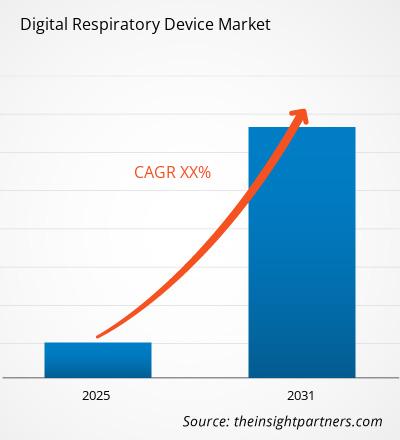
The Global Digital Respiratory Device Market Demand is witnessing remarkable expansion as healthcare providers embrace smart respiratory technologies to improve patient outcomes and reduce healthcare costs. According to The Insight Partners, the sector is projected to grow from US$93.99 billion in 2025 to US$861.33 billion by 2034, registering a robust CAGR of 27.91% during 2026 to 2034. Growing prevalence of asthma and chronic obstructive pulmonary disease (COPD), combined with advancements in remote patient monitoring, cloud-based healthcare platforms, and artificial intelligence driven analytics, continues to strengthen industry growth.
Get Sample PDF @ https://www.theinsightpartners.com/sample/TIPRE00016689
Rising Adoption of Connected Respiratory Technologies
Digital respiratory devices have evolved beyond conventional inhalers and nebulizers into intelligent healthcare solutions capable of collecting, analyzing, and transmitting patient data in real time. Smart inhalers equipped with sensors can monitor medication usage, while mobile applications provide personalized reminders and treatment recommendations.
Healthcare providers are increasingly integrating these solutions into chronic disease management programs to improve medication adherence and reduce emergency hospital admissions. The growing availability of telehealth services has further accelerated the deployment of connected respiratory devices, allowing clinicians to remotely monitor patients and intervene before conditions worsen.
The integration of respiratory devices with electronic health records and digital health ecosystems is also enhancing clinical decision making while supporting value-based healthcare initiatives worldwide.
Expanding Applications Across Healthcare Settings
The increasing burden of respiratory disorders is creating significant demand across multiple healthcare environments. Digital respiratory devices are becoming essential tools for both acute and long-term disease management.
Based on type, the industry includes:
- Sensors and Apps
- Smart Inhalers and Nebulizers
Among these, Smart Inhalers and Nebulizers represent the largest segment due to their ability to improve medication adherence, provide real-time treatment tracking, and support personalized respiratory care.
By application, demand is primarily driven by:
- Asthma
- Chronic Obstructive Pulmonary Disease (COPD)
COPD and asthma management require continuous monitoring, making digital respiratory devices particularly valuable in reducing exacerbations and improving long-term treatment outcomes.
From an end user perspective, hospitals continue to adopt advanced respiratory monitoring systems, while the Home Care segment is expected to record the fastest growth throughout the forecast period. Increasing patient preference for home-based healthcare, aging populations, and expanding remote monitoring programs are encouraging healthcare providers to extend respiratory care beyond traditional clinical settings.
Regional Landscape Demonstrates Strong Growth Potential
North America remains the leading regional contributor due to well-established healthcare infrastructure, favorable reimbursement policies, and widespread adoption of digital health technologies. The region accounted for approximately 36 to 40 percent of the global share in 2025 and is expected to maintain steady growth through 2034. The United States continues to dominate regional demand owing to increasing investments in connected healthcare and strong commercialization activities.
Europe also represents a mature landscape supported by healthcare digitization initiatives and expanding remote patient monitoring programs. Countries including Germany, the United Kingdom, and France continue investing in digital healthcare infrastructure to improve chronic disease management and patient engagement.
Asia Pacific is projected to emerge as the fastest growing regional segment during the forecast period. Rapid urbanization, increasing healthcare expenditure, rising smartphone penetration, and growing awareness of respiratory health are supporting strong adoption across China, Japan, India, and other developing economies.
Competitive Landscape and Industry Developments
Competition continues to intensify as manufacturers, pharmaceutical companies, software developers, and healthcare technology providers invest heavily in innovation, strategic collaborations, and integrated digital healthcare platforms.
Key players operating in the industry include:
- 3M Company
- Adherium Limited
- AstraZeneca PLC
- Amiko Digital Health Limited
- Boehringer Ingelheim International GmbH
- Cohero Health, Inc.
- Koninklijke Philips N.V.
- Novartis AG
- Sensirion AG
- Teva Pharmaceutical Industries Ltd.
Leading organizations are expanding their portfolios through connected inhalation technologies, artificial intelligence powered analytics, predictive healthcare solutions, and partnerships with healthcare providers. The growing emphasis on interoperability between respiratory devices and broader digital health ecosystems is expected to strengthen competitive positioning while improving patient outcomes.
Innovation and Strategic Opportunities
Technology innovation remains one of the strongest growth catalysts across the industry. Artificial intelligence, machine learning, predictive analytics, and cloud-based healthcare platforms are enabling healthcare professionals to detect treatment gaps earlier and personalize respiratory care pathways.
Healthcare organizations are increasingly investing in integrated digital ecosystems that combine connected devices, patient engagement applications, and advanced clinical analytics. These capabilities improve disease monitoring while helping healthcare systems reduce long-term treatment costs and unnecessary hospitalizations.
Growing regulatory support for digital therapeutics and remote patient monitoring reimbursement is expected to further accelerate adoption across developed and emerging economies. As interoperability standards continue to improve, digital respiratory devices are likely to become an integral component of chronic disease management worldwide.
Interested in Purchasing this Report? Click here @ https://www.theinsightpartners.com/buy/TIPRE00016689
Future Outlook
The global digital respiratory device industry is positioned for substantial long-term expansion through 2034. Rising prevalence of chronic respiratory diseases, increasing acceptance of connected healthcare technologies, and expanding home care services will continue driving demand across developed and emerging regions. As manufacturers focus on artificial intelligence enabled monitoring, personalized treatment solutions, and seamless integration with digital health platforms, the industry is expected to play a critical role in transforming respiratory disease management and improving healthcare outcomes globally.
Related Report:
1) Lyophilized Injectable Market Key Companies and SWOT Analysis by 2028
2) Pharmaceutical Intermediates Market Key Players and Forecast by 2028
3) Generic Injectables Market Growth and Forecast by 2028
About Us –
The Insight Partners provides comprehensive syndicated and tailored market research services in the healthcare, technology, and industrial domains. Renowned for delivering strategic intelligence and practical insights, the firm empowers businesses to remain competitive in ever-evolving global markets.
Contact Us:
Ankit Mathur | The Insight Partners
E-mail: ankit.mathur@theinsightpartners.com
Phone: +1-646-491-9876
Also Available in : Korean German Japanese French Chinese Italian Spanish
