Achondrogenesis is a rare skeletal disorder that requires highly specialized diagnostic pathways involving prenatal imaging, molecular testing, and multidisciplinary clinical evaluation. Although patient numbers remain limited, continuous improvements in fetal medicine and genomic technologies are expanding opportunities for advanced diagnostic solutions worldwide.
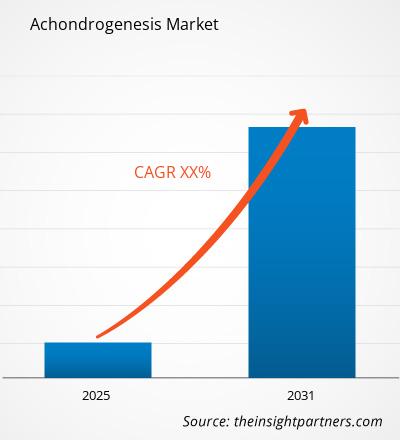
The Achondrogenesis Market Share is witnessing steady expansion as healthcare systems increase investments in prenatal screening, next-generation sequencing, and genetic counseling services. According to The Insight Partners, the sector was valued at US$ 172.93 million in 2025 and is projected to reach US$ 326.88 million by 2034, registering a CAGR of 7.33% during 2026 to 2034. Growing awareness of rare congenital disorders, enhanced access to fetal medicine centers, and broader adoption of molecular confirmation techniques continue to support long-term growth across developed and emerging healthcare systems.
Get Sample PDF @ https://www.theinsightpartners.com/sample/TIPRE00017631
Rising Adoption of Molecular Diagnostics Supports Industry Expansion
The increasing use of molecular genetic testing has significantly transformed the diagnosis of achondrogenesis. Earlier, diagnosis relied primarily on postnatal radiographic findings, whereas current clinical practice emphasizes prenatal identification using high-resolution ultrasound followed by genetic confirmation.
Next-generation sequencing enables clinicians to identify disease-causing variants associated with TRIP11, SLC26A2, and COL2A1 genes with greater accuracy. This approach improves diagnostic confidence, supports recurrence risk assessment, and assists families in making informed reproductive decisions. As genomic technologies become more affordable and widely available, molecular testing is expected to remain the leading diagnostic segment throughout the forecast period.
Biochemical testing continues to play a complementary role, particularly in selected Type IB cases where additional functional assessment strengthens diagnostic interpretation.
Growing Demand for Prenatal Imaging and Fetal Medicine Services
Modern prenatal care increasingly integrates advanced ultrasound technologies with molecular diagnostics to detect severe skeletal abnormalities during pregnancy. Improved imaging quality allows physicians to identify characteristic skeletal features at earlier gestational stages, enabling timely referral for confirmatory genetic testing.
Maternal-fetal medicine centers are becoming central to the diagnostic workflow by combining radiology, pathology, laboratory medicine, and genetic counseling into a coordinated care model. These multidisciplinary programs enhance clinical decision-making while supporting comprehensive family counseling.
Healthcare providers are also investing in digital reporting systems, laboratory automation, and bioinformatics platforms that reduce turnaround times for complex genetic analyses. These developments contribute to greater efficiency while improving diagnostic outcomes for rare skeletal dysplasias.
Regional Performance Highlights
North America maintains the largest regional share due to its well-established fetal medicine infrastructure, advanced genomic laboratories, and favorable reimbursement environment for high-risk pregnancy diagnostics. The United States remains the primary contributor, supported by widespread availability of molecular testing and sophisticated prenatal imaging capabilities.
Europe continues to demonstrate stable growth through structured rare disease programs, advanced prenatal screening protocols, and strong collaboration between tertiary hospitals and genetics centers. Germany, the United Kingdom, and France remain major contributors to regional development.
Asia Pacific is expected to register the fastest growth throughout the forecast period. Expanding healthcare infrastructure, increasing investments in genomic medicine, larger birth populations, and government initiatives supporting rare disease diagnosis are accelerating demand across China, Japan, India, South Korea, and Australia.
Emerging healthcare investments across the Middle East and Africa are gradually improving access to fetal medicine services, while South and Central America continue to strengthen prenatal diagnostic capabilities through expanding healthcare modernization programs.
Competitive Landscape and Key Industry Participants
Competition is centered on diagnostic innovation, genomic sequencing platforms, prenatal imaging technologies, and integrated clinical support services. Companies continue investing in laboratory automation, genetic testing capabilities, and advanced imaging systems to strengthen their position within specialized diagnostic workflows.
Key companies operating in this space include:
- Cook Medical LLC
- Thermo Fisher Scientific Inc.
- CooperSurgical, Inc.
- Illumina, Inc.
- Siemens Healthineers AG
- FUJIFILM Holdings Corporation
- Koninklijke Philips N.V.
- Stryker Corporation
- Canon Medical Systems Corporation
- Abbott Laboratories
Strategic partnerships between diagnostic laboratories, hospitals, and genomic technology providers are becoming increasingly important for expanding testing accessibility and improving patient care pathways.
Segmentation Trends Shape Industry Development
Based on type, Type II (Langer-Saldino Type) represents the largest segment owing to the expanding use of COL2A1 molecular testing and increased clinical recognition. Type IA and Type IB continue to require specialized molecular and biochemical evaluation for accurate differentiation.
From a diagnostic perspective, Molecular Genetic Testing accounts for the largest share because of its superior diagnostic accuracy and ability to provide definitive genetic confirmation. Biochemical testing remains valuable in selected clinical situations.
Hospitals and clinics dominate the end-user segment due to their comprehensive diagnostic capabilities, multidisciplinary expertise, and availability of maternal-fetal medicine specialists. Ambulatory surgical centers continue to support selected outpatient diagnostic and reproductive medicine procedures.
Interested in Purchasing this Report? Click here @ https://www.theinsightpartners.com/buy/TIPRE00017631
Future Outlook
The outlook for Achondrogenesis Market Share remains positive as prenatal diagnostics continue evolving through innovations in genomic sequencing, artificial intelligence-assisted imaging, and precision medicine. Expanding access to fetal medicine programs, growing awareness of rare skeletal disorders, and increasing investments in genetic counseling are expected to strengthen diagnostic adoption worldwide.
Related Report:
1) C-Reactive Protein Rapid Test Market Growth, Demand & Size by 2034
2) Mesotherapy Market Size and Growth 2031
3) Anti-Acne Cosmetics Market Overview, Growth, Trends, Analysis, Research Report (2021-2031)
About Us –
The Insight Partners provides comprehensive syndicated and tailored market research services in the healthcare, technology, and industrial domains. Renowned for delivering strategic intelligence and practical insights, the firm empowers businesses to remain competitive in ever-evolving global markets.
Contact Us:
Ankit Mathur | The Insight Partners
E-mail: ankit.mathur@theinsightpartners.com
Phone: +1-646-491-9876
Also Available in : Korean German Japanese French Chinese Italian Spanish

- Fifth Wheel Coupling Market Size - 2026-07-20
- Penetration Testing as a Service Market - 2026-07-20
- Aerospace PCB Market Growth - 2026-07-20