The increasing prevalence of hypertension and cardiovascular disorders is accelerating demand for advanced blood pressure monitoring technologies across healthcare systems worldwide. Continuous monitoring solutions are becoming an essential part of modern clinical practice because they provide a comprehensive assessment of blood pressure fluctuations throughout the day and night. Advancements in digital healthcare infrastructure and remote patient monitoring continue to strengthen long term industry expansion.
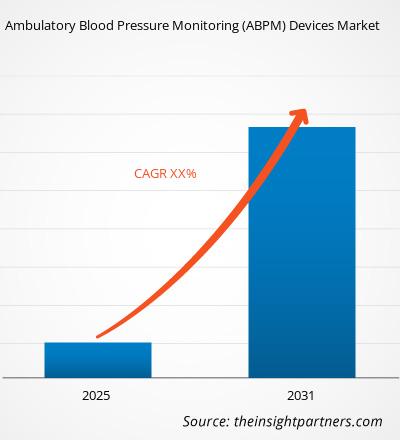
The Global Ambulatory Blood Pressure Monitoring (ABPM) Devices Market Growth is gaining momentum as hospitals, ambulatory surgery centers, and specialty clinics increasingly rely on 24-hour blood pressure monitoring to detect white coat hypertension, masked hypertension, nocturnal hypertension, and treatment effectiveness. According to The Insight Partners, the sector was valued at US$1.92 billion in 2025 and is projected to reach US$4.13 billion by 2034, registering a CAGR of 8.9% during the forecast period from 2026 to 2034.
Get Sample PDF @ https://www.theinsightpartners.com/sample/TIPRE00002870
Rising Clinical Demand Driving Industry Expansion
Growing awareness of cardiovascular health and the increasing burden of hypertension are among the primary drivers supporting industry expansion. Conventional in-clinic blood pressure measurements often fail to capture daily blood pressure variations, leading physicians to recommend ambulatory monitoring for more accurate diagnosis.
Modern ABPM systems deliver continuous measurements over a 24-hour period, allowing clinicians to evaluate nighttime hypertension, morning blood pressure surges, and medication response. These capabilities improve treatment planning while reducing unnecessary medication adjustments.
Healthcare guidelines across developed and emerging economies increasingly recommend out-of-office blood pressure monitoring, creating sustained demand for validated ABPM systems integrated with electronic health records and automated reporting platforms.
Product Innovation and Technology Advancements
Manufacturers are continuously enhancing device performance through innovations in cuff design, pressure sensors, firmware, battery efficiency, and motion tolerance. These improvements help minimize measurement errors while enhancing patient comfort during prolonged monitoring.
Arm ABPM devices continue to dominate the product landscape due to their strong clinical validation, physician confidence, and compatibility with standardized measurement protocols. Meanwhile, wrist ABPM devices are expected to witness faster adoption as wearable technologies improve measurement accuracy while offering greater patient convenience.
The industry is also transitioning from standalone monitoring devices toward integrated diagnostic ecosystems consisting of validated sensors, cloud-based reporting software, physician dashboards, patient diaries, and seamless electronic medical record integration.
Artificial intelligence powered data interpretation, Bluetooth connectivity, automated report generation, and cybersecurity enhancements are expected to become major competitive differentiators over the coming years.
Regional Landscape Highlights
North America continues to represent the largest regional revenue contributor, supported by well-established cardiology networks, favorable reimbursement policies, high hypertension prevalence, and widespread adoption of guideline based diagnostics. The United States remains the largest contributor within the region.
Europe maintains steady growth through structured hypertension management programs across Germany, the United Kingdom, France, Italy, and Spain. Strong regulatory standards and physician preference for clinically validated monitoring systems support continued adoption.
Asia Pacific is anticipated to record the fastest expansion during the forecast period. Growing healthcare investments across China, India, Japan, South Korea, and Australia, combined with increasing cardiovascular disease screening initiatives and aging populations, continue to strengthen regional demand.
Emerging economies in the Middle East and Africa are also gradually increasing adoption through hospital modernization programs, chronic disease management initiatives, and expanding specialist cardiovascular services.
Competitive Landscape
Competition increasingly centers on clinical accuracy, software usability, workflow integration, data security, and comprehensive cardiovascular diagnostic solutions. Companies are investing in connected healthcare platforms that improve operational efficiency while simplifying physician interpretation.
Key companies operating in the industry include:
- Spacelabs Healthcare, Inc.
- Welch Allyn, Inc.
- SunTech Medical, Inc.
- Bosch + Sohn GmbH u. Co. KG
- SCHILLER AG
- GE HealthCare Technologies Inc.
- Rudolf Riester GmbH
- Vaso Corporation
- BPL Medical Technologies Pvt. Ltd.
- OMRON Healthcare Co., Ltd.
Strategic priorities among leading manufacturers include expanding cloud connectivity, enhancing wearable monitoring capabilities, introducing pediatric monitoring programs, and strengthening compatibility with hospital information systems.
Growth Opportunities Across End Users
Hospitals remain the largest end user segment due to increasing patient volumes within cardiology, nephrology, and internal medicine departments requiring validated diagnostic monitoring. Comprehensive hypertension management programs continue to generate strong purchasing demand.
Ambulatory surgery centers are emerging as an important growth segment as preoperative cardiovascular assessment becomes more standardized. Portable monitoring devices help clinicians evaluate patients before and after surgical procedures while improving documentation and treatment planning.
Broader adoption within outpatient clinics, specialist cardiovascular centers, and primary care facilities is expected to create additional opportunities, particularly as healthcare systems emphasize preventive care and early diagnosis.
Interested in Purchasing this Report? Click here @ https://www.theinsightpartners.com/buy/TIPRE00002870
Future Outlook
The outlook for Ambulatory Blood Pressure Monitoring (ABPM) Devices Market Growth remains highly positive as healthcare providers increasingly prioritize accurate, continuous cardiovascular monitoring. Growing implementation of clinical guidelines supporting out-of-office blood pressure assessment, expanding adoption of digital health technologies, and rising hypertension prevalence will continue to fuel long term demand.
Related Report:
1) Procedure Trays Market Overview and Growth by 2031
2) Embolization Coils Market Size, Share, and Forecast 2025-2031
3) Aortic Valve Replacement Devices Market Growth and Recent Trends by 2030
About Us –
The Insight Partners provides comprehensive syndicated and tailored market research services in the healthcare, technology, and industrial domains. Renowned for delivering strategic intelligence and practical insights, the firm empowers businesses to remain competitive in ever-evolving global markets.
Contact Us:
Ankit Mathur | The Insight Partners
E-mail: ankit.mathur@theinsightpartners.com
Phone: +1-646-491-9876
Also Available in : Korean German Japanese French Chinese Italian Spanish

- Fifth Wheel Coupling Market Size - 2026-07-20
- Penetration Testing as a Service Market - 2026-07-20
- Aerospace PCB Market Growth - 2026-07-20