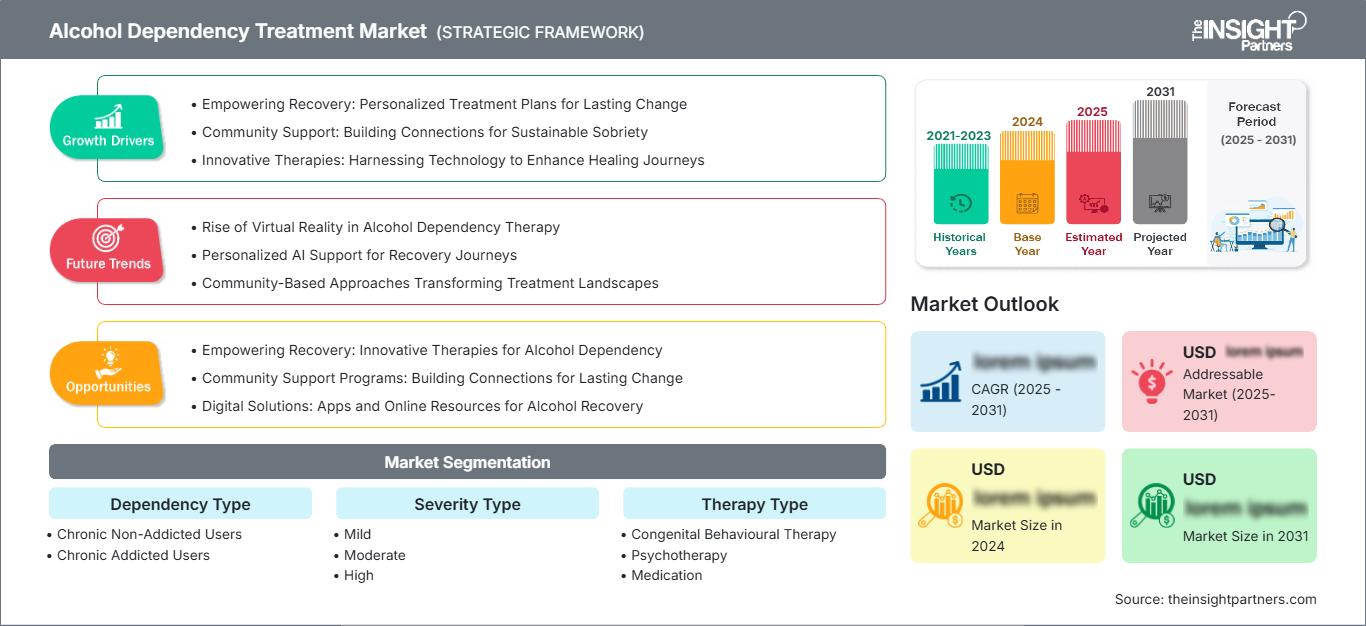
The alcohol dependency treatment market is witnessing steady expansion as alcohol use disorder (AUD) continues to represent a significant public health concern across the globe. Rising awareness about the physical, psychological, and social consequences associated with excessive alcohol consumption is encouraging individuals to seek professional treatment and rehabilitation services. Increasing healthcare expenditure, improved access to addiction treatment programs, and the growing integration of behavioral therapies with pharmacological interventions are contributing to market growth.
Increasing Demand for Comprehensive Addiction Treatment
The alcohol dependency treatment market size was valued at US$ 809.75 million in 2025 and is expected to grow to US$ 1,302.31 million by 2034, at a compound annual growth rate (CAGR) of 5.42% from 2026 to 2034. The growing recognition of alcohol dependency as a chronic and treatable medical condition is shifting treatment approaches from short-term detoxification toward comprehensive, long-term recovery programs. Treatment providers are increasingly adopting personalized care plans that combine medication-assisted treatment, counseling, cognitive behavioral therapy, residential rehabilitation, outpatient services, and peer support. In addition, digital health technologies and telehealth platforms are improving access to addiction treatment, particularly for individuals in underserved and remote regions.
Download Sample PDF Copy: https://www.theinsightpartners.com/sample/TIPRE00017768
Growing Prevalence of Alcohol Use Disorder
The increasing prevalence of alcohol use disorder is one of the primary factors supporting the growth of the market. Social, economic, and lifestyle-related factors, along with increasing stress, anxiety, and mental health challenges, have contributed to harmful patterns of alcohol consumption in several regions. The COVID-19 pandemic also accelerated concerns regarding alcohol misuse, as social isolation, financial uncertainty, and psychological stress influenced drinking behaviors among vulnerable populations. As awareness of the health risks associated with alcohol dependency increases, more individuals are seeking professional assistance, creating greater demand for detoxification, rehabilitation, counseling, and relapse prevention services.
Shift Toward Medication-Assisted Treatment
A significant market trend is the growing adoption of medication-assisted treatment (MAT) for alcohol dependency. Medications such as naltrexone, acamprosate, and disulfiram are increasingly used alongside counseling and behavioral therapies to reduce cravings, manage withdrawal symptoms, and support long-term recovery. Healthcare professionals are increasingly emphasizing integrated treatment models in which pharmacological interventions are combined with psychological support and continuous monitoring. Advancements in drug development and growing clinical research focused on improving treatment outcomes are expected to create new opportunities for market participants.
Rising Adoption of Behavioral and Psychological Therapies
Behavioral therapy remains a critical component of alcohol dependency treatment, particularly as healthcare providers recognize the importance of addressing the underlying psychological and social factors associated with addiction. Cognitive behavioral therapy, motivational interviewing, family therapy, group counseling, and support programs are being increasingly integrated into treatment plans. The growing emphasis on individualized treatment is encouraging providers to assess patients based on their addiction severity, mental health status, lifestyle, and social environment. This patient-centric approach is expected to strengthen treatment adherence and improve long-term recovery outcomes.
Digital Health and Telehealth Transforming Treatment
Digital transformation is emerging as an important growth driver for the alcohol dependency treatment market. Telehealth consultations, mobile applications, virtual counseling, online support groups, and remote patient monitoring are expanding access to addiction treatment services. These solutions provide greater convenience and privacy for individuals who may hesitate to visit traditional rehabilitation centers due to social stigma or geographical limitations. Digital platforms also enable healthcare professionals to maintain regular communication with patients, monitor progress, and provide timely interventions. As digital healthcare infrastructure improves, technology-enabled addiction treatment is expected to become an increasingly important component of modern recovery programs.
Increasing Focus on Early Intervention and Relapse Prevention
Healthcare systems are increasingly prioritizing early identification and intervention to prevent alcohol dependency from progressing into severe or chronic conditions. Screening initiatives in primary care settings, emergency departments, and mental health facilities are helping identify individuals at risk of alcohol-related disorders. In parallel, relapse prevention programs are becoming an integral part of long-term treatment strategies. These programs focus on behavioral modification, continuous counseling, peer support, and lifestyle management to help patients maintain sobriety after completing formal treatment. The growing focus on sustained recovery is expected to support demand for aftercare and continuing care services.
Get Full Report: https://www.theinsightpartners.com/buy/TIPRE00017768
Government Initiatives and Public Awareness Supporting Market Growth
Government programs and public health campaigns are playing an important role in improving awareness of alcohol dependency and encouraging individuals to access treatment. Various healthcare organizations and government agencies are promoting responsible alcohol consumption, early screening, and access to rehabilitation services. Increasing investment in mental health and addiction care infrastructure is also supporting the expansion of treatment facilities. In emerging economies, improvements in healthcare access and growing awareness of addiction-related disorders are creating additional opportunities for market growth. However, social stigma, limited treatment availability, high rehabilitation costs, and inadequate insurance coverage remain challenges that may restrict access to care in certain regions.
Competitive Landscape and Key Market Players
- Teva Pharmaceutical Industries Ltd.
- Alkermes plc
- Viatris Inc.
- Glenmark Pharmaceuticals Limited
- Chronos Therapeutics Ltd.
- Opiant Pharmaceuticals, Inc.
- Bristol Myers Squibb Company
- Otsuka Holdings Co., Ltd.
- Lundbeck A/S
- Kinnov Therapeutics
Regional Growth and Emerging Opportunities
North America is expected to remain a significant market for alcohol dependency treatment due to the presence of established healthcare infrastructure, high awareness of addiction disorders, and greater availability of rehabilitation and behavioral health services. Europe is also witnessing demand for treatment solutions supported by government-led addiction prevention programs and expanding mental healthcare initiatives. Meanwhile, Asia Pacific is expected to offer attractive growth opportunities due to increasing healthcare expenditure, rising awareness of alcohol-related health risks, and improving access to specialized treatment services. The expansion of healthcare facilities and growing adoption of digital health solutions in emerging economies are likely to further support regional market development.
Future Market Trends and Growth Analysis
Looking ahead, the market is expected to benefit from the convergence of pharmaceutical innovation, behavioral healthcare, digital therapeutics, and personalized treatment models. The integration of artificial intelligence, remote monitoring, data analytics, and telehealth could improve patient engagement and enable more proactive management of alcohol dependency. Furthermore, growing recognition of the relationship between alcohol use disorder and mental health conditions is encouraging integrated treatment programs that address co-occurring disorders. As healthcare systems move toward patient-centered and evidence-based addiction care, demand for accessible, affordable, and comprehensive treatment solutions is expected to increase steadily through 2034.
Related Reports
Digital Subtraction Angiography Equipment Market Size, Growth & Demand by 2034
Diagnostic Enzymes Market Size, Trends & Growth by 2034
About US
The Insight Partners provides comprehensive syndicated and tailored market research services in the healthcare, technology, and industrial domains. Renowned for delivering strategic intelligence and practical insights, the firm empowers businesses to remain competitive in ever-evolving global markets.
Contact Us
Contact Person: Ankit Mathur
E-mail: ankit.mathur@theinsightpartners.com
Phone: +1-646-491-9876
Also Available in : Korean German Japanese French Chinese Italian Spanish
