As global populations increase and arable land diminishes, traditional farming faces unprecedented pressures. In response, modern agriculture is undergoing a paradigm shift toward sustainable, resource-efficient methods. Among these innovative techniques, aquaponics a closed-loop system combining aquaculture (raising aquatic animals) and hydroponics (cultivating plants in water) has emerged as a transformative solution.
By utilizing fish waste to provide organic nutrients for plant growth, aquaponics drastically reduces water usage and eliminates the need for chemical fertilizers. Driven by expanding urban populations, heightened awareness around organic food consumption, and climate change concerns, the global aquaponics market is positioned for rapid expansion over the coming decade.
Market Size and Growth Trajectory
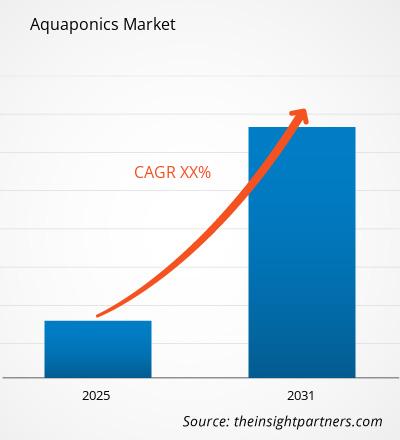
According to extensive market analysis, the global Aquaponics Market size is anticipated to grow from US$ 1.23 Billion in 2025 to US$ 2.98 Billion by 2034, expanding at a Compound Annual Growth Rate (CAGR) of 9.40% during the forecast period.
This robust growth reflects the rapid commercialization of indoor and Controlled Environment Agriculture (CEA) systems across major economic regions. Governments and private investors are increasingly backing high-tech agricultural infrastructure to secure local food supply chains and minimize carbon footprints associated with food transportation.
Key Drivers and Market Dynamics
Several critical factors are propelling the growth of the aquaponics industry:
Water Conservation and Space Efficiency: Traditional soil farming requires vast expanses of land and immense volumes of fresh water. Aquaponics systems use up to 90% less water than conventional agriculture due to continuous nutrient recycling, making it an ideal approach for arid regions and urban environments.
Year-Round Crop Yields: Controlled indoor environments shield crops from seasonal changes, extreme weather, and pests. This results in consistent, predictable yields throughout the year without relying on harmful synthetic pesticides.
Surging Demand for Organic Produce: Today’s consumers are increasingly health-conscious, actively seeking chemical-free and non-GMO fruits, vegetables, and seafood. Aquaponics naturally fulfills these requirements, producing high-quality fish alongside nutrient-dense leafy greens and herbs.
Get a PDF Sample– https://www.theinsightpartners.com/sample/TIPTE100000723
Key Players in the Aquaponics Market
The competitive landscape of the global aquaponics market comprises a blend of technology providers, commercial farm developers, equipment manufacturers, and educational pioneers. Key players driving innovation and commercial adoption in this market include:
Ultrasonics Canada Corporation
Aquaponic Lynx LLC
Backyard Aquaponics Pty Ltd
ECF Farmsystems GmbH
Nelson and Pade Inc.
Urban Farms AG
Greenlife Aquaponics
The Aquaponic Source
My Aquaponics
Colorado Aquaponics
These industry leaders are continually advancing aquaponic design through automated monitoring systems, advanced filtration units, and scalable commercial kits catered to both small-scale urban farmers and large industrial facilities.
Segment & Regional Highlights
The aquaponics market spans several equipment types, including growth media, pumps and valves, fish tanks, water heaters, and environmental control units. Among crop types, leafy greens (such as lettuce, spinach, and kale) along with fresh herbs dominate market revenue due to their fast growth cycles and high suitability for nutrient-rich water systems.
Regionally, North America holds a prominent position owing to high technological adoption and strong consumer preferences for organic foods. Concurrently, the Asia-Pacific region is projected to experience swift growth, driven by rapid urbanization, food security initiatives, and land scarcity in densely populated urban centers.
Get Full Copy of This Report- https://www.theinsightpartners.com/buy/TIPTE100000723
Future Outlook
The future of the aquaponics market remains bright, characterized by continuous technological integration and sustainable scaling. Over the next decade, integration with Internet of Things (IoT) sensors, artificial intelligence (AI), and automated nutrient delivery systems will lower operational costs and optimize output efficiency. As urbanization accelerates and environmental regulations tighten worldwide, aquaponics will evolve from a niche farming method into a cornerstone of sustainable global food systems. Driven by technological advancements and shifting consumer preferences, the market is set to achieve steady growth through 2034 and beyond.
About Us
The Insight Partners is a one-stop industry research provider of actionable intelligence. We help our clients in getting solutions to their research requirements through our syndicated and consulting research services. We specialize in industries such as Semiconductor and Electronics, Aerospace and Defense, Automotive and Transportation, Biotechnology, Healthcare IT, Manufacturing and Construction, Medical Devices, Technology, Media, and Telecommunications, as well as chemicals and Materials.
Contact Us
If you have any queries about this report or if you would like further information, don’t hesitate to get in touch with us:
Contact Person: Ankit Mathur
E-mail: ankit.mathur@theinsightpartners.com
