The global forestry equipment industry is undergoing a significant operational shift driven by modern timber demands, industrial mechanization, and environmental sustainability mandates. As wood-based products, biomass energy, and sustainable timber construction experience elevated global demand, forestry management practices are rapidly transitioning from manual operations to advanced, technology-driven machinery solutions.
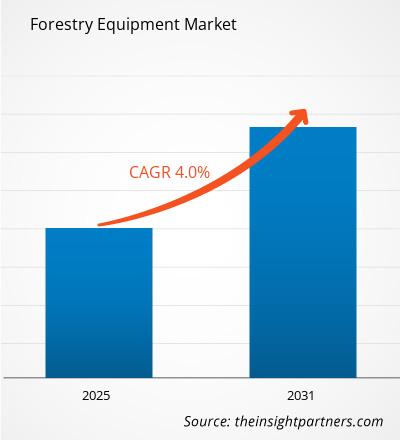
The Forestry Equipment Market size was US$ 12.97 Billion in 2025 and will rise to US$ 21.61 Billion in 2034, with a CAGR of 5.83% between 2026 and 2034. This steady growth reflects substantial ongoing investments in timber harvesting technology, fleet modernization, and the integration of smart digital infrastructure across commercial forestry landscapes worldwide.
Key Market Drivers and Industry Trends
1. Transition to Mechanized Forestry Operations
One of the primary catalysts behind market expansion is the growing transition from manual labor to mechanized logging and land clearing. Industrial logging companies are adopting modern machinery to increase yield per hour, improve worker safety in hazardous terrains, and minimize downtime. Mechanized solutions such as harvesters, feller bunchers, and forwarders enable operators to navigate complex timberlands while maximizing operational efficiency.
2. Technological Integration and Automation
The integration of Internet of Things (IoT) sensors, telematics, real-time GPS tracking, and automated timber measurement systems is redefining modern forestry fleet management. Smart forestry solutions provide real-time diagnostic feedback, enabling predictive maintenance that reduces costly operational delays. Automated cutting and processing heads also optimize log yield, ensuring minimal timber waste during on-site preparation.
3. Emphasis on Sustainable Forest Management
Regulatory pressure across key regions—most notably North America and Europe—is prompting forestry managers to adopt equipment that minimizes soil compaction, reduces canopy damage, and operates with lower exhaust emissions. Consequently, manufacturers are developing specialized equipment designed for selective harvesting and low-impact timber extraction, directly supporting long-term reforestation and silviculture initiatives.
4. Expansion of Wood Biomass and Sustainable Construction
Rising demand for wood pellets in bioenergy generation alongside the increasing popularization of engineered mass timber (such as cross-laminated timber) in green building projects has created a resilient upward trajectory for commercial logging activities. This surge in raw wood consumption necessitates higher processing rates, further propelling machinery sales.
Get a PDF Sample- https://www.theinsightpartners.com/sample/TIPRE00002841
Market Segmentation Overview
The market landscape is structured around machinery types and operational power sources to serve diverse terrain conditions and forestry scales.
By Type:
Felling Equipment: Machinery designed to cut standing trees efficiently, including feller bunchers and chainsaws.
Extracting Equipment: Heavy machinery such as skidders and forwarders used to transport felled timber from forest sites to landing zones.
On-Site Processing Equipment: Specialized heads and processors that delimb, debark, and buck timber on location.
Cutting & Loading Equipment: Log loaders and yarders designed to move processed wood onto transport vehicles.
Other Forestry Equipment: Supporting tools including stump grinders, wood chippers, and mulchers.
By Operation:
Diesel Operations: High-torque diesel machinery remains the industry baseline for heavy-duty logging in remote and rugged environments.
Electric & Hybrid Operations: Low-emission electric, battery-powered, and hybrid-powered machinery are increasingly deployed to meet strict eco-compliance regulations and urban forestry needs.
Competitive Landscape: Key Players
The global market is characterized by prominent original equipment manufacturers (OEMs) specializing in heavy construction, agricultural, and dedicated forestry equipment. Leading market participants actively invest in research and development to introduce fuel-efficient, automated, and rugged equipment tailored for severe operational conditions.
Key market participants profiled in the report include:
Caterpillar Inc.
Komatsu Ltd.
Hitachi Construction Machinery Co., Ltd.
AB Volvo
Bell Equipment Limited
Deere & Company
Ponsse Plc
Tigercat Industries Inc.
Waratah Forestry Equipment
Rottne Industri AB.
Get Full Copy of This Report- https://www.theinsightpartners.com/buy/TIPRE00002841
Future Outlook
The future of the forestry equipment market will be defined by continuous technological innovation and stringent environmental sustainability goals. Over the forecast period from 2026 to 2034, electric and hybrid machinery adoption is expected to accelerate alongside autonomous and semi-autonomous equipment deployments in remote logging zones. As regional markets modernise silviculture practices and step up reforestation investments, manufacturers that prioritize eco-friendly engineering, low total cost of ownership, and integrated telematics will be strategically positioned to capture emerging opportunities in the global forestry ecosystem.
About Us
The Insight Partners is a one-stop industry research provider of actionable intelligence. We help our clients in getting solutions to their research requirements through our syndicated and consulting research services. We specialize in industries such as Semiconductor and Electronics, Aerospace and Defense, Automotive and Transportation, Biotechnology, Healthcare IT, Manufacturing and Construction, Medical Devices, Technology, Media, and Telecommunications, as well as chemicals and Materials.
Contact Us
If you have any queries about this report or if you would like further information, don’t hesitate to get in touch with us:
Contact Person: Ankit Mathur
E-mail: ankit.mathur@theinsightpartners.com
