The global aerospace sector is undergoing a steady transformation driven by rising commercial passenger traffic, modernizing defense fleets, and expanding air cargo fleets worldwide. Central to this transformation is the continuous innovation in flight control systems and power delivery mechanisms within modern aircraft architecture.
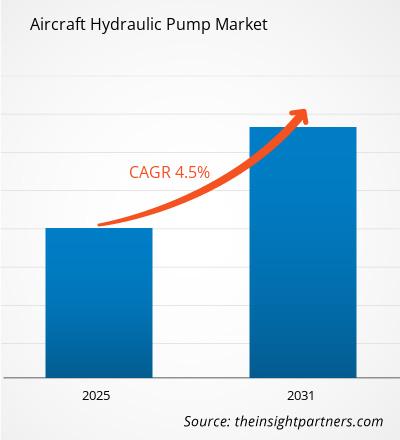
According to comprehensive research by The Insight Partners, the Aircraft Hydraulic Pump Market size is expected to reach US$ 4.82 Billion by 2034 from US$ 3.46 Billion in 2025. The market is estimated to record a Compound Annual Growth Rate (CAGR) of 3.76% from 2026 to 2034.
Hydraulic pumps are foundational components of an aircraft’s fluid power system. They supply high-pressure hydraulic fluid necessary to power primary flight control surfaces (such as elevators, rudders, and ailerons), landing gear actuation, braking systems, cargo doors, and thrust reversers. As global fleet sizes expand and airlines focus on upgrading older aircraft to meet stringent safety and operational efficiency standards, demand for durable, efficient, and lightweight hydraulic pumps remains consistently strong.
Market Drivers and Growth Dynamics
- Expanding Commercial and Military Aircraft Fleets
The primary growth driver for the aircraft hydraulic pump market is the significant surge in commercial aircraft deliveries globally. Major OEM manufacturers are managing substantial order backlogs as airline carriers scale up capacity to meet growing global passenger travel demands. In addition, defense budgets across key nations are rising to support fleet modernization programs, replacing legacy fighter jets, transport planes, and military helicopters with advanced systems requiring high-reliability hydraulic architectures.
- Demand for Fuel Efficiency and Lightweight Components
Fuel cost efficiency remains a dominant priority for commercial operators. Aircraft designers are increasingly focused on reducing structural weight to decrease fuel burn and lower carbon emissions. Manufacturers of hydraulic pumps are responding by integrating advanced lightweight alloys, composite materials, and compact configurations. These lighter components help reduce total aircraft take-off weight while maintaining or improving operational reliability and pressure capabilities under extreme altitude and temperature conditions.
- Retrofit and Aftermarket Maintenance Demand
Due to high operating hours and strict aviation safety standards, hydraulic pumps require regular maintenance, overhauls, and replacements. The operational lifecycle of an aircraft spans decades, generating sustained revenue opportunities in the aftermarket sector for hydraulic pumps, spare parts, and overhaul service kits.
Get a PDF Sample- https://www.theinsightpartners.com/sample/TIPRE00015696
Key Market Players
The global aircraft hydraulic pump market is characterized by a mix of established aerospace system integrators and specialized component manufacturers. Leading companies operating in this market include:
Honeywell International Inc.
Parker-Hannifin Corporation
Eaton Corporation
Crane Aerospace & Electronics
Triumph Group, Inc.
Safran S.A.
Weldon Pump LLC
Cascon Inc.
Crissair, Inc.
AeroControlex
These industry leaders continually invest in research and development, strategic partnerships, and global supply chain optimization to maintain competitive advantages and support evolving OEM specifications.
Get Full Copy of This Report- https://www.theinsightpartners.com/buy/TIPRE00015696
Technology Trends Shaping the Industry
- Hybrid and Electric-Driven Hydraulic Systems
As the aerospace sector progresses toward More Electric Aircraft (MEA) architectures, traditional engine-driven hydraulic pumps are being integrated alongside electro-hydraulic actuators (EHAs) and motor-driven pumps (AC/DC motor pumps). These hybrid systems lower continuous parasitic engine load by providing hydraulic pressure on demand, improving overall system energy management and fuel performance.
- Predictive Maintenance and Condition Monitoring
The integration of smart sensors within hydraulic systems allows real-time monitoring of pressure levels, temperature fluctuations, and fluid quality. By leveraging predictive health monitoring algorithms, aircraft operators can anticipate pump wear or failure before it occurs, drastically reducing unscheduled downtime and lowering overall maintenance costs.
Future Outlook
Looking ahead, the aircraft hydraulic pump market is poised for stable expansion as the global aviation ecosystem balances fleet expansion with technical innovation. While the move toward More Electric Aircraft (MEA) continues to gain momentum, hydraulic systems will remain indispensable for heavy-duty flight control and landing gear operations where high power density is required. Over the forecast period leading up to 2034, market players that focus on developing ultra-lightweight high-pressure pumps, enhancing manufacturing efficiency, and providing robust aftermarket support networks will be best positioned to capture market share and drive sustained value creation in this vital aerospace segment.
Related Reports-
About Us
The Insight Partners is a one-stop industry research provider of actionable intelligence. We help our clients in getting solutions to their research requirements through our syndicated and consulting research services. We specialize in industries such as Semiconductor and Electronics, Aerospace and Defense, Automotive and Transportation, Biotechnology, Healthcare IT, Manufacturing and Construction, Medical Devices, Technology, Media, and Telecommunications, as well as chemicals and Materials.
Contact Us
If you have any queries about this report or if you would like further information, don’t hesitate to get in touch with us:
Contact Person: Ankit Mathur
E-mail: ankit.mathur@theinsightpartners.com
