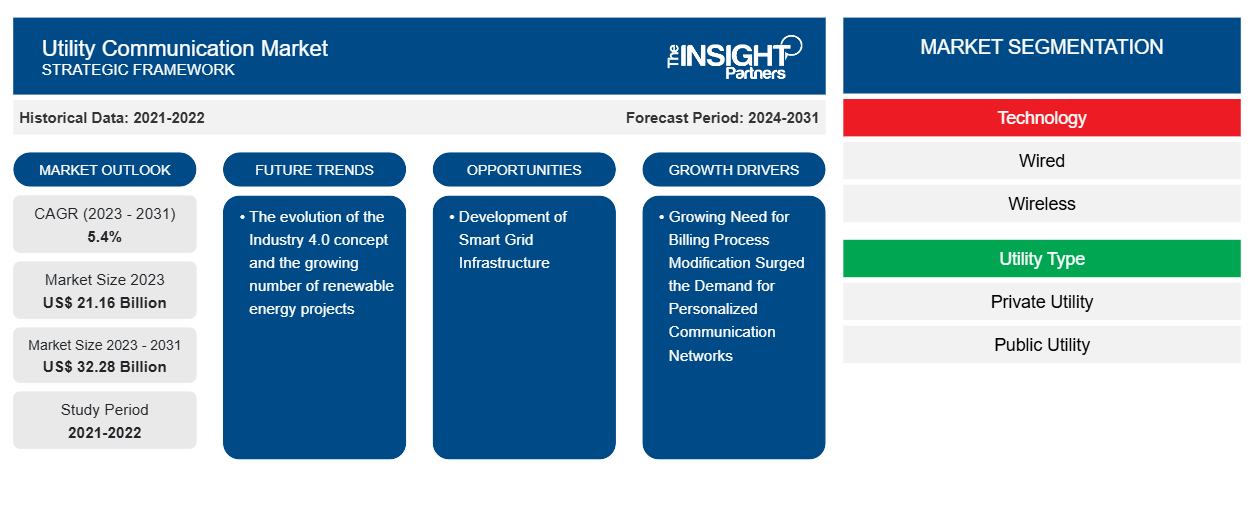
The global utility sector is undergoing a major digital transformation as electricity, water, gas, and renewable energy providers modernize their communication infrastructure to improve operational efficiency and service reliability. Advanced networking technologies, real-time monitoring, intelligent automation, and cybersecurity solutions are becoming essential for utilities striving to build resilient infrastructure capable of supporting increasing energy demand and distributed energy resources. Governments and private organizations worldwide continue to invest in smart grids, intelligent substations, and digital utility ecosystems, creating new opportunities for technology providers and infrastructure developers.
The Utility Communication Market continues to gain momentum as utilities deploy secure communication networks that connect substations, field devices, smart meters, and control centers. Growing investments in digital grid modernization, renewable energy integration, industrial IoT, and cloud-based utility management platforms are strengthening long-term industry growth. Utilities increasingly rely on high-speed wired and wireless communication systems to enhance operational visibility, minimize outages, improve asset management, and enable predictive maintenance across critical infrastructure. Industry analysts expect continuous technological innovation to reshape communication architectures across utility networks during the forecast period.
Get a Sample PDF: https://www.theinsightpartners.com/sample/TIPRE00009082
- Growing adoption of smart grid communication technologies worldwide.
- Rising deployment of Advanced Metering Infrastructure (AMI).
- Increasing demand for secure operational technology (OT) communication.
- Expansion of renewable energy integration into transmission networks.
- Greater investment in AI-enabled grid monitoring platforms.
- Rapid modernization of aging utility infrastructure.
- Strong demand for wireless communication across remote utility assets.
- Increasing adoption of edge computing for utility operations.
- Enhanced cybersecurity investments for critical infrastructure.
- Continuous innovation expected across communication software, hardware, and managed services through 2031.
Utilities are increasingly implementing intelligent communication platforms capable of supporting real-time analytics, outage management, automated fault detection, demand response, and distributed energy resource management. The combination of fiber-optic communication, RF mesh networks, LTE, private 5G, satellite connectivity, and cloud-based monitoring solutions enables utilities to achieve greater operational flexibility while reducing maintenance costs. Continuous digitalization also supports sustainability initiatives by improving energy efficiency and reducing transmission losses.
Recent technological developments demonstrate how communication infrastructure has become a strategic priority. India’s smart grid modernization program recently crossed a significant deployment milestone with large-scale shipments of Wi-SUN communication modules supporting nationwide smart meter installations. The initiative reflects accelerating investments in next-generation communication standards for utility networks.
Similarly, utilities worldwide continue expanding grid investments to support growing electricity demand from AI-driven data centers, electrification initiatives, and renewable energy integration. Major utility operators are maintaining long-term infrastructure investment plans focused on communication modernization and transmission resilience.
Cybersecurity remains another major industry focus. Government agencies have recently warned utility operators about increasing cyberattacks targeting operational technology environments, reinforcing the importance of secure communication architectures, encrypted data transmission, and resilient network management across essential infrastructure.
Global Analysis
North America continues to maintain a strong position due to ongoing smart grid modernization, advanced metering deployments, regulatory support, and substantial investments in transmission infrastructure. Utility companies across the United States and Canada continue expanding digital communication capabilities to improve grid resilience and accommodate renewable energy integration.
Europe remains a leading innovation hub, driven by sustainability initiatives, renewable energy expansion, digital substations, and modernization of electricity transmission networks. Utilities continue investing in intelligent communication technologies that improve operational efficiency while supporting decarbonization goals. Recent climate-related grid challenges have further accelerated investment in resilient communication infrastructure.
Asia Pacific is witnessing rapid expansion as countries invest heavily in smart cities, digital utilities, smart meters, industrial automation, and renewable energy infrastructure. Large-scale government programs continue driving adoption of intelligent utility communication technologies across emerging economies.
Latin America, the Middle East, and Africa are also experiencing steady adoption as governments modernize aging utility networks, improve electricity access, and strengthen grid reliability through advanced communication systems.
Updated Industry News
Recent developments continue highlighting the importance of digital utility communication infrastructure:
- Utilities are increasing investments to support AI-driven electricity demand and transmission expansion.
- Grid operators are deploying battery storage and advanced communication systems to improve renewable energy utilization and reduce curtailment.
- India’s smart grid rollout continues accelerating through large-scale deployment of Wi-SUN communication technologies.
- Cybersecurity remains a top priority following recent attacks targeting utility operational technology environments.
Key Players
- Cisco Systems
- Siemens
- Schneider Electric
- ABB
- Nokia
- Hitachi Energy
- Honeywell
- Motorola Solutions
- Itron
- Landis+Gyr
- Ericsson
- GE Vernova
- Trilliant
- Belden
- Toshiba
Get the Premium Research Report @ https://www.theinsightpartners.com/buy/TIPRE00009082
Future Outlook
The future of the Utility Communication Market will be shaped by rapid advances in AI-enabled grid management, private 5G networks, industrial IoT, edge computing, digital substations, cloud-native utility platforms, and advanced cybersecurity solutions. Growing renewable energy integration, expanding smart city initiatives, increasing electrification, and modernization of aging infrastructure will continue creating significant opportunities for communication technology providers. As utilities prioritize resilient, secure, and intelligent networks, communication infrastructure will remain one of the most critical foundations supporting reliable, sustainable, and efficient utility operations through 2031 and beyond.
Related Reports –
Home Energy Management System Market Regional Share, Trend, and Growth Opportunity
Vision Transformers Market Regional Share, Trend, and Growth Opportunity
Differential-Pressure Mass Flow Controller Market Regional Share, Trend, and Growth Opportunity
About The Insight Partners
The Insight Partners is a leading market research and consulting firm delivering actionable insights through in-depth industry analysis and strategic intelligence. The firm supports clients across various industries in making informed business decisions by providing comprehensive market forecasts, competitive assessments, and growth opportunities.
Contact Us:
If you have any queries about this report or if you would like further information, please contact us:
Contact Person: Ankit Mathur
E-mail: sales@theinsightpartners.com
Phone: +1-646-491-9876
Also Available in :
Korean | German | JapaneseFrench | Chinese | Italian | Spanish
