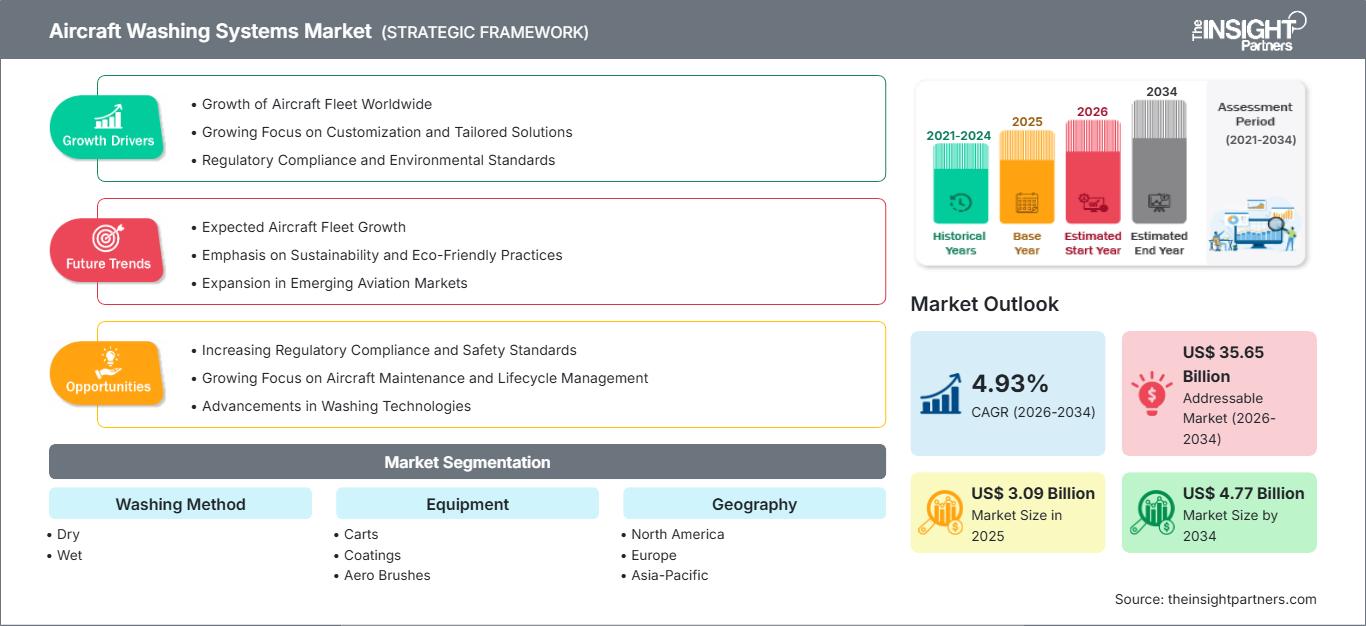
The global aviation industry operates in a highly demanding environment where fleet efficiency, environmental sustainability, and operational uptime are paramount. Aircraft maintenance, repair, and overhaul (MRO) operations rely heavily on specialized equipment and routine procedures to maintain airframe safety and peak performance. Among these critical MRO tasks, regular exterior cleaning plays an indispensable role. Accumulations of dirt, exhaust soot, carbon grease, hydraulic fluids, and environmental contaminants increase aerodynamic drag, elevate fuel consumption, and accelerate corrosion on airframe structures. Consequently, modern aircraft washing systems have evolved from traditional manual labor into highly advanced, semi-automated, and fully automated cleaning solutions. These systems optimize wash cycles, drastically reduce turnaround times, conserve water, and assist commercial airlines and military operators in meeting strict environmental and operational standards.
Get a PDF Sample- https://www.theinsightpartners.com/sample/TIPRE00022909
North America Aircraft Washing Systems Market
North America holds a commanding position in the aircraft washing systems market due to its extensive commercial airline networks and vast military aviation footprint. Strict environmental mandates enforced by regulatory bodies such as the EPA drive rapid adoption of closed-loop water recycling and chemical-free washing technologies across the region. Major MRO facilities and commercial airports in the United States and Canada are increasingly investing in automated robotic wash rigs to minimize labor costs and aircraft ground time. Additionally, ongoing defense modernization initiatives continue to stimulate sustained demand for heavy-duty wash racks and tactical aircraft washing systems across air force bases.
Market Forecast
The Aircraft Washing Systems Market is expected to register a CAGR of 4.93% from 2026 to 2034, with the market size expanding from US$ 3.09 Billion in 2025 to US$ 4.77 Billion by 2034. This upward trajectory reflects expanding global commercial aircraft fleets, surging military aviation investments, and a major industry-wide transition toward automated wash technologies. Airlines worldwide face mounting pressure to minimize turnaround times at hub airports while simultaneously controlling operating expenditures. Because jet fuel remains one of the largest expenses for commercial carriers, maintaining clean outer surfaces is directly linked to optimized fuel burn. The market expansion is further reinforced by strict environmental policies and zero-liquid-discharge mandates, which encourage MRO centers and international airports to adopt advanced washing infrastructure equipped with built-in water reclamation systems.
Key Market Drivers and Industry Trends
Several structural drivers are reshaping the global aircraft washing systems landscape:
Shift to Automation and Robotics: Traditional manual washing is labor-intensive, time-consuming, and presents risks of personnel injury or unintentional damage to delicate avionics, sensors, and flight control surfaces. Automated washing systems, including mobile wash units and fixed gantry systems, can clean narrow-body and wide-body aircraft in a fraction of the time required by manual crews.
Water Conservation and Eco-Friendly Operations: Traditional washing methods consume tens of thousands of gallons of water per wash cycle and produce hazardous wastewater laden with oils, heavy metals, and toxic detergents. Modern aircraft washing systems feature closed-loop filtration and water reclamation technologies, enabling up to 80% to 90% of wash water to be recycled and reused on-site.
Fleet Expansion and High Aircraft Utilization: Fueled by rising global passenger traffic and expanded cargo transport, airlines must maximize aircraft availability. Automated washing systems allow MRO facilities to execute routine exterior washes during scheduled line maintenance without disrupting flight itineraries, thereby increasing aircraft availability and overall revenue generation.
Key Players
The competitive landscape of the global aircraft washing systems market features established equipment manufacturers, specialized industrial cleaning providers, and engineering firms focused on automated and eco-friendly solutions. Key players operating in the market include:
Nordic Aerowash Equipment
Cleaning Debrring Finishing Inc.
Stoelting Cleaning Equipment
Jensen Fabricating Engineers Inc.
Ransohoff Cincinnati
Daimler Industries Inc.
Hydro Engineered Inc.
JRI Industries
Ultrasonic Power Corporation
Wanner Engineering Inc.
These industry leaders continually focus on technological innovations, introducing mobile automated washing robots, high-pressure pump units, ultrasonic cleaning tanks, and custom wash pads tailored to commercial, military, and general aviation requirements.
Get Full Copy of This Report- https://www.theinsightpartners.com/buy/TIPRE00022909
Future Outlook
Looking ahead toward 2034, the aircraft washing systems market is positioned for transformative advancements driven by automation, artificial intelligence, and green technology integration. The future will see wider deployment of autonomous washing robots equipped with vision sensors capable of inspecting skin surfaces for structural integrity while cleaning. Furthermore, ongoing developments in biodegradable detergents and advanced water filtration units will help airports and MRO stations maintain zero-discharge, carbon-neutral maintenance operations. As global aviation standards increasingly prioritize fuel efficiency and environmental stewardship, automated high-efficiency aircraft washing systems will transition from an operational option to an indispensable industry standard.
Related Reports-
Container Washing System Market
Automatic Train Wash System Market
About Us
The Insight Partners is a one-stop industry research provider of actionable intelligence. We help our clients in getting solutions to their research requirements through our syndicated and consulting research services. We specialize in industries such as Semiconductor and Electronics, Aerospace and Defense, Automotive and Transportation, Biotechnology, Healthcare IT, Manufacturing and Construction, Medical Devices, Technology, Media, and Telecommunications, as well as chemicals and Materials.
Contact Us
If you have any queries about this report or if you would like further information, don’t hesitate to get in touch with us:
Contact Person: Ankit Mathur
E-mail: ankit.mathur@theinsightpartners.com
