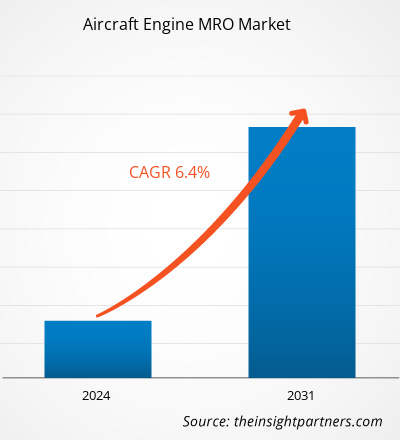
The global Aircraft Engine Maintenance, Repair, and Overhaul (MRO) market is experiencing significant growth, driven by the expanding commercial aviation sector, rising global passenger traffic, and the increased utilization of legacy and next-generation aircraft fleets. According to recent market analysis, the Aircraft Engine MRO Market size is expected to reach US$ 26.61 billion in 2025 and is projected to reach US$ 41.21 billion by 2034. The market is estimated to record a compound annual growth rate (CAGR) of 5.0% during the forecast period from 2026 to 2034.
As airlines worldwide focus on optimizing operational efficiency, ensuring safety standards, and extending the operational lifecycle of their fleets, the demand for comprehensive engine maintenance services—ranging from routine inspections and shop visits to heavy overhauls—has reached unprecedented levels.
Key Drivers Accelerating Market Growth
The steady expansion of the global aircraft engine MRO market is underpinned by several strategic and technological factors:
Rising Global Air Travel Demand: Following the robust post-pandemic recovery in passenger and cargo traffic, airlines are maximizing fleet utilization. Increased flight hours and flight cycles naturally escalate the wear and tear on propulsion systems, creating continuous demand for engine MRO services.
Aging Aircraft Fleets and Prolonged Engine Cycles: To meet surge capacity while awaiting delivery of new narrowbody and widebody aircraft, operators are extending the operational lifespans of existing fleets. Legacy engine models require more frequent maintenance, major overhauls, and life-limited part (LLP) replacements.
Introduction of Advanced Engine Architectures: Modern turbofan engines feature complex designs, sophisticated materials, and digital monitoring systems. Servicing these next-generation engines requires specialized MRO infrastructure, advanced tooling, and technical expertise, driving higher value per maintenance visit.
Get a PDF Sample- https://www.theinsightpartners.com/sample/TIPRE00025489
Market Leaders and Competitive Landscape
The global aircraft engine MRO ecosystem is highly competitive and technologically intensive, characterized by strategic partnerships, joint ventures, and continuous facility expansions. Prominent original equipment manufacturers (OEMs), independent MRO providers, and airline-affiliated maintenance divisions are investing heavily in modernizing their shop capabilities and expanding regional repair networks.
Key players operating in the global Aircraft Engine MRO market include:
Delta Air Lines Inc
GE Aerospace
CFM International
Lufthansa Technik
Safran SA
SIA Engineering Company
Sigma Aerospace
Rolls-Royce Holdings Plc
RTX CORPORATION
MTU Aero Engines AG
Industry participants are increasingly focusing on long-term service agreements (LTSAs), flight-hour maintenance programs, and expanding regional MRO hubs across high-growth aviation markets, particularly in the Asia-Pacific and Middle East regions.
Get Full Copy of This Report- https://www.theinsightpartners.com/buy/TIPRE00025489
Future Outlook (2026–2034)
The future of the aircraft engine MRO industry will be shaped by rapid technological integration, sustainable practices, and innovative service delivery models:
Predictive Maintenance & AI Integration: The adoption of artificial intelligence (AI), machine learning, and advanced engine health monitoring (EHM) systems will revolutionize maintenance operations. Real-time data streaming from aircraft engines enables MRO providers to predict component failures before they occur, shifting the industry from reactive repairs to optimized predictive maintenance schedules.
Automation and Additive Manufacturing: MRO facilities are increasingly integrating robotics, advanced non-destructive testing (NDT), and 3D printing (additive manufacturing) for component repair. These technological advancements significantly reduce turnaround times (TAT) and lower labor costs while maintaining strict safety compliance.
Sustainability and Green MRO: Environmental regulations and net-zero aviation targets are pushing MRO facilities to adopt eco-friendly engine washing systems, sustainable aviation fuels (SAF) for test-cell runs, and carbon-neutral shop operations. Additionally, engine refurbishment programs aimed at improving fuel burn efficiency are becoming a priority for operators looking to minimize operating emissions.
Supply Chain Resilience: MRO leaders are focusing on building resilient supply chains, expanding part-repair capabilities, and utilizing Used Serviceable Material (USM) to manage component shortages and mitigate turnaround delays.
As the global aviation industry continues its upward trajectory, the Aircraft Engine MRO market stands as a critical pillar supporting operational reliability, fleet efficiency, and global air transport safety.
Related Reports-
Aircraft Engine Blade Market Share, Size & Demand by 2034
Aircraft Engine Compressor Market Forecast, Size & Demand by 2034
Aircraft Micro Turbine Engines Market Trends, Size & Demand by 2034
Jet Engines Market Analysis, Size & Demand by 2034
Aircraft Engine Component Market Scope, Size & Demand by 2034
Aircraft Engine Mount Market Growth, Size & Demand by 2034
Aircraft Engine Seals Market Outlook, Size & Demand by 2034
About The Insight Partners
The Insight Partners is a leading market research and consulting firm delivering actionable insights through in-depth industry analysis and strategic intelligence. The firm supports clients across various industries in making informed business decisions by providing comprehensive market forecasts, competitive assessments, and growth opportunities.Read Economics
Contact Us:
If you have any queries about this report or if you would like further information, please contact us:
Contact Person: Ankit Mathur
E-mail: sales@theinsightpartners.com
Phone: +1-646-491-9876
Also Available in : Korean| German| Japanese| French| Chinese| Italian| Spanish
