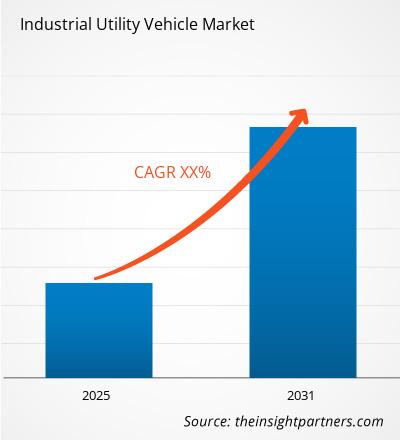
The global Industrial Utility Vehicle (IUV) market is experiencing significant transformation, driven by rapid industrialization, expansion in warehouse and logistics networks, and an escalating shift toward eco-friendly fleet electrification. According to the latest market research insights, the Industrial Utility Vehicle Market size is expected to reach US$ 33.51 Billion by 2034, expanding from US$ 17.35 Billion in 2025. The market is anticipated to register a compound annual growth rate (CAGR) of 7.59% during the forecast period 2026–2034.
Accelerating Demand Across Manufacturing and Logistics
Industrial utility vehicles ranging from electric burden carriers, personnel transporters, and tow tractors to rugged off-road utility task vehicles (UTVs) have become essential operational assets across manufacturing plants, warehousing facilities, construction sites, airports, and agricultural enterprises.
The surging expansion of global e-commerce, combined with modern lean manufacturing strategies, has placed unprecedented emphasis on internal material handling efficiency and last-mile logistics. Industrial operators are increasingly replacing legacy internal combustion engine (ICE) fleets with electric and hybrid utility vehicles to satisfy stringent corporate sustainability mandates, reduce workplace noise levels, and lower overall total cost of ownership (TCO) through reduced maintenance and fuel overheads.
Get a PDF Sample- https://www.theinsightpartners.com/sample/TIPRE00014277
Key Drivers Transforming the Market
Electrification and Clean Fleet Initiatives: Regulations promoting zero-emission industrial environments are compelling facilities to adopt lithium-ion-powered utility vehicles offering faster charging cycles and extended operational runtimes.
Integration of Industry 4.0 and Smart Telematics: Modern industrial utility vehicles are increasingly equipped with IoT sensors, GPS tracking, and fleet management software. Real-time diagnostics, predictive maintenance, and automated driver assistance systems (ADAS) are optimizing route efficiency and enhancing operator safety.
Versatility and Heavy-Duty Performance: Payload capacity advancements, rugged chassis engineering, and adaptable towing configurations allow utility vehicles to handle heavy material transfer, maintenance transport, and off-road operational tasks seamlessly.
Competitive Landscape & Key Players
The global market is characterized by intense competitive innovation, with market leaders expanding their product portfolios through advanced battery technology, autonomous capabilities, and custom heavy-duty attachments. Prominent companies operating in the global Industrial Utility Vehicle market include:
AMERICAN LANDMASTER
DEERE & COMPANY
INGERSOLL-RAND PLC
KUBOTA CORPORATION
POLARIS INC.
SUZHOU EAGLE ELECTRIC VEHICLE MANUFACTURING CO., LTD.
TEXTRON INC.
THE TORO COMPANY
TROPOS TECHNOLOGIES INC.
YAMAHA MOTOR CO., LTD.
These industry leaders are investing strategically in research and development, strategic OEM alliances, and regional distribution network expansion to address evolving customer demand across North America, Europe, Asia-Pacific, and emerging global markets.
Get Full Copy of This Report- https://www.theinsightpartners.com/buy/TIPRE00014277
Future Outlook (2026–2034)
Looking ahead through the forecast period of 2026 to 2034, the Industrial Utility Vehicle market is poised for unprecedented technological evolution. The transition from basic material movement equipment to intelligent, connected mobility platforms will define the next decade of market expansion.
Key trends shaping the future market outlook include:
Autonomous & Guided Utility Vehicles: The convergence of autonomous navigation algorithms, LiDAR sensor technology, and AI-driven fleet routing will lead to higher adoption of autonomous utility vehicles (AGVs) within controlled industrial complexes and smart logistics hubs.
Next-Generation Battery Systems: Transitioning from traditional lead-acid systems to high-density lithium-iron-phosphate (LFP) and solid-state battery chemistry will significantly increase vehicle duty cycles and operational productivity.
Customization and Modular Architectures: Industry operators are demanding modular utility vehicle platforms that allow swift conversions such as switching between cargo beds, passenger transport pods, enclosed cabs, and specialized maintenance tools maximizing operational asset utilization.
As global industries prioritize operational safety, automation, and net-zero targets, the Industrial Utility Vehicle market remains primed for sustained, high-value growth through 2034.
Related Reports-
Compact Utility Vehicles Market Share, Size & Demand by 2034
About The Insight Partners
The Insight Partners is a leading market research and consulting firm delivering actionable insights through in-depth industry analysis and strategic intelligence. The firm supports clients across various industries in making informed business decisions by providing comprehensive market forecasts, competitive assessments, and growth opportunities.
Contact Us:
If you have any queries about this report or if you would like further information, please contact us:
Contact Person: Ankit Mathur
E-mail: sales@theinsightpartners.com
Phone: +1-646-491-9876
Also Available in : Korean| German| Japanese| French| Chinese| Italian| Spanish
