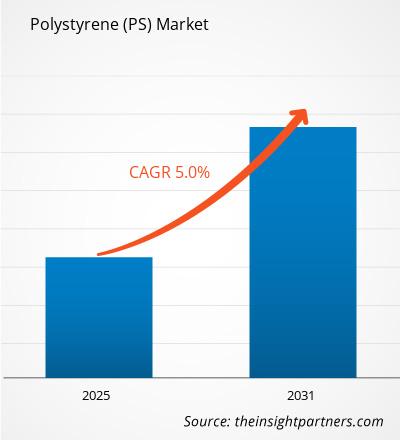
The Polystyrene (PS) Market is moving ahead at a steady pace. It was valued at US$ 51.38 billion in 2025. It is expected to reach US$ 73.01 billion by 2034. That works out to a CAGR of 4% between 2026 and 2034. Polystyrene is a light, rigid plastic known for strong insulation and good shock absorption. It shows up in packaging, buildings, vehicles, electronics, and medical products.
What Is Driving the Market?
Insulation and cushioning are the first big strengths. Polystyrene resists heat transfer and absorbs impact naturally. That makes it a smart choice for protecting delicate electronics and keeping cold-chain medicines stable. Investment in energy-efficient buildings adds more demand.
Online shopping and food delivery are the second driver. Takeaway apps, home delivery, and e-commerce all need light and tough containers. Polystyrene packaging keeps seeing steady volume gains as consumers choose speed and convenience.
Cars and electronics are the third driver. Digital products and electric vehicles keep pushing up demand for polymer parts. High-impact polystyrene housings and lightweight vehicle components are growing fast in Asia Pacific and North America.
Get a Sample Report https://www.theinsightpartners.com/sample/TIPRE00013062
The market also faces real pressure. Raw material costs can swing and squeeze margins. Rules on hard-to-recycle plastics keep changing. The industry also needs better closed-loop recycling to prove its long-term case.
Which Segment Leads?
The report splits the market by type, application, and end use. By type, it covers general purpose polystyrene, high impact polystyrene, expanded polystyrene, and extruded polystyrene. General purpose grades drive volume in everyday consumer goods. High impact grades serve electronics and appliances where durability matters. Expanded polystyrene is a light foam that cushions and insulates. Extruded polystyrene is a dense board with high compressive strength and strong moisture resistance.
By application, insulation, packaging, and structural components lead the picture. Insulation focuses on heat retention and energy savings. Packaging is the major volume channel. By end use, building and construction stands out. Agriculture, storage, marine, and automotive follow, each with its own practical uses, from seedling trays to flotation blocks and lightweight cabin panels.
Which Region Leads?
The report covers North America, Europe, Asia Pacific, South and Central America, and the Middle East and Africa. Asia Pacific is described as the largest and fastest-growing region. Its strength comes from big electronics and appliance manufacturing bases in China, India, and Southeast Asia. Urban growth and rising incomes add to demand.
North America is growing on the back of retail expansion, automated packaging lines, and energy-efficient building. Europe holds a major position, backed by strict building efficiency rules and strong support for circular economy goals. South and Central America, along with the Middle East and Africa, are emerging markets with room to grow in insulation and temperature-controlled logistics. The United States is a key market, supported by packaging, lightweight insulating materials, food service, and healthcare demand.
Which Companies Are Prominent?
The report profiles these market leaders:
- Alpek SAB DE CV
- Axion Polymers
- BASF SE
- Boston Scientific
- Formosa Plastic Corporation
- LG Chemical
- NOVA Chemicals
- Sabic
- The DOW Chemical Company
- Trinseo
Competition is intense. Global chemical groups sit beside specialist polymer makers, and all of them are looking for ways to stand out. Many now sell more than basic pellets. They offer coolers, high-density insulation blocks, and electronic housings made from modified polystyrene. Some control the whole chain, from benzene and ethylene feedstock to finished polymer. Others invest in chemical recycling and advanced extrusion to produce recycled resins for medical and consumer uses.
Recent moves show how active the field is. In January 2026, Trinseo announced a price increase of 35 euros per metric ton for its general purpose and high impact polystyrene grades in Europe. In February 2026, NOVA Chemicals launched two new recycled polyethylene grades for North America, adding to its range of resins made from post-consumer recycled film.
Buy the Full Report https://www.theinsightpartners.com/buy/TIPRE00013062
What Is Changing in 2026?
Sustainability is reshaping the business. Polystyrene is moving from a basic commodity polymer toward a higher-value, circular material. Chemical recycling and bio-attributed monomers are becoming key tools for producers who want to meet strict plastic reduction goals.
Buyers are also moving toward high-performance grades. Manufacturers want thermal insulation, moisture resistance, and impact strength. This favors high impact, expanded, and extruded products over plain commodity grades.
Branding is changing too. Producers now highlight eco-friendly manufacturing and compliance with global plastic reduction programs. This helps them win premium contracts in a market that still runs mostly on volume.
What Are the Investment Opportunities?
Medical and pharmaceutical packaging is a strong opening. Polystyrene resins are useful for sterile lab ware, diagnostic kits, and protective casings for medical devices that need rigid structure.
Asia Pacific offers another path. Partnerships between global feedstock suppliers and regional manufacturers can open doors to electronics hubs in China and India, where demand for cost-effective insulation and packaging polymers keeps rising.
Specialty certifications offer a third route. Producers can target circular economy grades, recycled food-contact compliance, and bio-based resin approvals. Sustainable construction also holds promise, since expanded and extruded polystyrene help buildings meet energy efficiency rules. Companies that pair solid supply with greener products are well placed as the market heads toward US$ 73.01 billion by 2034.
Related Reading / Reports
Explore additional research from The Insight Partners covering related chemicals and materials markets:
- Petrochemicals Market — looks at the chemicals made from petroleum and natural gas that feed plastics production.
- Basic Aromatics Market — covers benzene-family building blocks used across the chemical industry.
- Alpha Olefin Sulfonate Market — covers a surfactant family linked to petrochemical feedstocks.
- Wax Emulsion Market — looks at emulsions used in coatings, packaging, and other industrial uses.
About US:
The Insight Partners is among the leading market research and consulting firms in the world. We take pride in delivering exclusive reports along with sophisticated strategic and tactical insights into the industry. Reports are generated through a combination of primary and secondary research, solely aimed at giving our clientele a knowledge-based insight into the market and domain. This is done to assist clients in making wiser business decisions. A holistic perspective in every study undertaken form an integral part of our research methodology and makes the report unique and reliable.
Contact US
If you have any queries about this report or if you would like further information, please contact us:
Phone: +1-646-491-9876
E-mail: sales@theinsightpartners.com
Also Available in : Korean | German | Japanese | French | Chinese | Italian | Spanish
