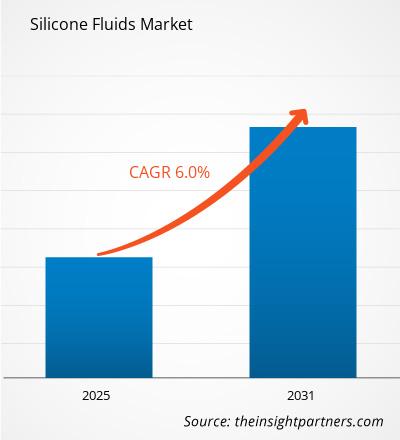
Silicone fluids rarely get a headline, yet they sit inside car transmissions, shampoo bottles and wind turbines. As the Silicone Fluids Market expands from US$ 5.9 Billion in 2025 to US$ 11.28 Billion by 2034, that quiet versatility is turning into serious commercial weight. The report expects a 7.47% CAGR from 2026 to 2034, and with historic data from 2021 to 2024 behind it, the released study offers a dependable base for planning.
What Are Silicone Fluids?
Silicone fluids are silicon-based polymers that stay liquid across a wide temperature range and resist heat, oxidation and moisture. They lubricate, defoam, repel water and add smoothness, which is why one family of materials serves industries as different as cosmetics and machinery. Producers sell them as straight silicones or as modified silicones tuned for specific jobs, and the silicone fluids market spans both.
Request a Sample Copy of the Report: https://www.theinsightpartners.com/sample/TIPRE00011057
What Is Driving Demand in the Silicone Fluids Market?
Automotive demand sets the first tone. Silicone fluids work in lubricants, transmission fluids and shock absorbers, and carmakers chasing better fuel efficiency, lower emissions and high-performance materials value their thermal stability and lubrication properties. As vehicle production rises, the silicone fluids market gains a dependable buyer.
Industrial use is the second driver. Manufacturing, chemical processing and textile plants use silicone fluids for heat resistance, lubrication and anti-foam behaviour, and those qualities matter more as industrial production scales globally. High-performance machinery and processes stand to benefit most.
Personal care completes the trio. Moisturisers, shampoos and hair treatments rely on silicone fluids for smoothness, shine and a non-greasy feel. Consumers are shifting toward high-performance, non-toxic and multifunctional products, and formulators keep reaching for these fluids to deliver that experience.
Fresh opportunities are already visible. Electric vehicles need thermal management for batteries and power electronics, and the high thermal stability of silicone fluids suits that cooling job. Renewable energy technologies such as wind turbines and solar panels add further demand, and the United States stands out as a key market supported by automotive, industrial and personal care strengths.
Segmentation Overview: Silicone Fluids Market by Product Type and End-Use Industry
By Product Type:
Straight silicone and modified silicone form the product split. Straight silicone fluids are the classic dimethyl chemistry, prized for lubrication, defoaming and thermal stability, and dimethyl silicone fluids are expected to grow fastest during the forecast period. Modified silicone carries organic groups that tailor the fluid for tougher or more specialised jobs.
By End-Use Industry:
Agriculture, energy, home care, personal care, textiles and others make up the end-use view. Personal care leans on the fluids for sensory feel, textiles use them for lubrication, and energy applications use them where heat resistance counts, including wind and solar equipment. Agriculture and home care formulations borrow the same strengths in spreading, defoaming and surface behaviour.
The others category captures automotive and industrial uses, where silicone fluids appear in transmission fluids, shock absorbers, cooling systems and heavy machinery. Because the demand base is so spread out, a slowdown in one end use rarely drags the whole silicone fluids market down. Suppliers therefore value breadth in their portfolios.
Key Market Players in the Silicone Fluids Market
- ACC Silicones
- Dow Corning Corporation
- Gelest Incorporated
- Quantum Silicones
- KCC Corporation
- Clariant International Limited
- Caledonia Investments
- Saint Gobain
- Wacker Chemie A.G.
- Siltech Corporation
The report profiles these companies and analyses their competitive strategies and innovation developments. The group blends diversified chemical and materials groups with focused silicone specialists, so rivalry plays out on technical service as much as on price. Companies able to supply fluids tuned for EV cooling, renewable energy equipment and premium personal care formulations hold the strongest cards in the silicone fluids market.
Sustainability and Innovation Trends in Silicone Fluids
Energy efficiency is the clearest trend. Silicone fluids serve as heat transfer fluids and lubricants because of their superior thermal stability and low volatility, and industries trying to cut operating costs and energy use are paying attention. Growth in energy-efficient industrial processes is expected to be the key trend in the silicone fluids market.
Electrification adds a second innovation front. Battery and power electronics cooling in electric vehicles calls for fluids that hold up under heat, and silicone chemistry fits that requirement. Developers who tailor fluids for these demanding duties can win premium positions.
Clean energy brings a third. Wind turbines and solar panels use silicone fluids for heat-resistant and lubricating performance, so rising global demand for clean energy solutions feeds directly into energy production and maintenance volumes. That link ties the silicone fluids market to long-term clean energy investment.
Buy Premium Report: https://www.theinsightpartners.com/buy/TIPRE00011057
Regional Outlook for the Silicone Fluids Market
Asia Pacific holds the largest share of the silicone fluids market. The region runs a strong manufacturing base across automotive, electronics and construction, and China, Japan and South Korea lead in both production and consumption. That concentration of industrial activity keeps demand for silicone fluids running high.
North America centres on the United States, where automotive, industrial and personal care demand creates a deep customer base. Canada and Mexico sit alongside it in the regional analysis. Europe, covering the UK, Germany, France, Russia and Italy, is examined country by country.
South and Central America includes Brazil and Argentina, two economies where automotive, personal care and industrial users can all drive volumes. The report sizes and forecasts every key segment at global, regional and country level. Readers can therefore compare how each end use performs in each market.
Related Reports:
Polydimethylsiloxane Market Growth, Demand & Size by 2034
Liquid Silicone Rubber Market Growth, Trends & Demand by 2034
Thermal Interface Materials Market by Expert Industy Analysis 2031
Surfactants Materials Market Outlook, Geography, and Strategic Insights by 2031
About The Insight Partners
The Insight Partners is among the leading market research and consulting firms in the world. We take pride in delivering exclusive reports along with sophisticated strategic and tactical insights into the industry. Reports are generated through a combination of primary and secondary research, solely aimed at giving our clientele a knowledge-based insight into the market and domain. This is done to assist clients in making wiser business decisions. A holistic perspective in every study undertaken forms an integral part of our research methodology and makes the report unique and reliable.
Contact Us:
If you have any queries about this report or if you would like further information, please contact us:
Phone: +1-646-491-9876
E-mail: sales@theinsightpartners.com
Also Available in: Korean | German | Japanese | French | Chinese | Italian | Spanish
