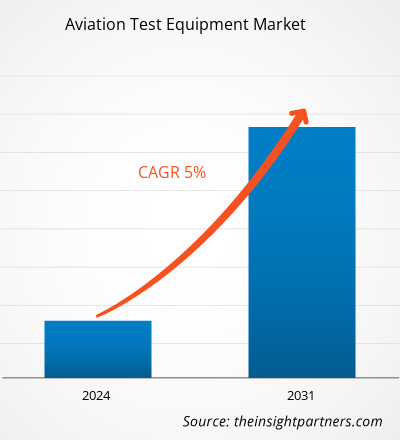
The global Aviation Test Equipment Market is poised for significant expansion over the next decade, fueled by the rapid surge in commercial air travel, continuous modernization of defense fleets, and growing demand for advanced predictive maintenance solutions. According to comprehensive market analysis, the Aviation Test Equipment Market size is valued at US$ 9.56 Billion in 2025 and is projected to reach US$ 13.04 Billion by 2034. The market is anticipated to register a steady Compound Annual Growth Rate (CAGR) of 3.52% during the forecast period from 2026 to 2034.
Aviation test equipment plays a vital role in ensuring the safety, reliability, and airworthiness of both commercial and military aircraft. These specialized systems ranging from automated test equipment (ATE) and ground support equipment (GSE) to specialized diagnostic instruments for electrical, hydraulic, and avionics architectures—allow engineers and maintenance, repair, and overhaul (MRO) providers to detect potential faults, verify system integrity, and maintain strict adherence to international aviation safety regulations.
Key Market Drivers & Industry Trends
The steady growth of the aviation test equipment sector is strongly backed by several transformative trends within the global aerospace ecosystem:
Fleet Modernization and Rising Aircraft Deliveries: As global commercial airlines expand their fleets to accommodate burgeoning passenger traffic, aircraft manufacturers (OEMs) and MRO stations require highly precise test solutions to support increased production rates and rigorous scheduled maintenance protocols.
Integration of Advanced Avionics & Software: Modern commercial and defense aircraft are increasingly relying on complex digital flight systems, fly-by-wire controls, and sophisticated electronic warfare suites. Testing these integrated networks demands next-generation automated test software capable of high-speed data acquisition and real-time processing.
Emergence of Next-Gen Propulsion & Hybrid Aircraft: The aerospace industry’s shift toward sustainable aviation, electric vertical takeoff and landing (eVTOL) vehicles, and hybrid-electric propulsion systems is opening new avenues for specialized high-voltage testing equipment and battery management diagnostics.
Get a PDF Sample- https://www.theinsightpartners.com/sample/TIPRE00006028
Competitive Landscape: Key Market Players
The global aviation test equipment market is characterized by a mix of established defense contractors, specialized aerospace engineering firms, and high-precision instrumentation manufacturers. Key industry players spearheading technological innovation and global supply chains include:
Astronics Corporation
Avtron Aerospace, Inc.
BAE Systems
Bauer Inc.
ECA Group
Hydraulics International Inc.
Lockheed Martin Corporation
Teradyne Inc.
Testek Inc.
TEST-FUCHS GmbH
These market leaders are heavily investing in research and development to manufacture lightweight, portable, and modular testing solutions. Strategic partnerships with MRO service providers, long-term defense contracts, and regional expansion initiatives remain key strategies adopted by these companies to enhance their market presence.
Regional Overview
North America currently holds a significant share of the market, driven by the presence of prominent aircraft manufacturers, vast military expenditure, and a highly developed network of certified MRO facilities. Meanwhile, the Asia-Pacific region is projected to experience rapid growth throughout the forecast period, supported by expanding airline networks, rising defense budgets across major economies, and large investments in airport and maintenance infrastructure.
Get Full Copy of This Report- https://www.theinsightpartners.com/buy/TIPRE00006028
Future Outlook (2026–2034)
Looking ahead to 2034, the Aviation Test Equipment Market is expected to transition toward greater automation, artificial intelligence integration, and cloud-connected diagnostics. The integration of AI and machine learning into ground testing units will enable predictive maintenance frameworks, allowing engineers to forecast equipment failures before they occur during routine checks, thereby minimizing operational downtime and reducing overall lifecycle costs for operators.
Furthermore, modular testing architectures will continue gaining traction. By adopting standardized automated test platforms, MRO facilities can easily reconfigure test benches for multiple aircraft models, boosting operational efficiency and reducing long-term capital expenditure. As regulatory mandates around flight safety become increasingly stringent worldwide, the demand for certified, scalable, and highly accurate aviation test solutions will remain paramount over the forecast period.
Related Reports-
Aviation Asset Management Market Size, Share & Trends by 2034
Aviation Headsets Market Forecast, Share & Trends by 2034
Aviation Mro Software Market Growth, Share & Trends by 2034
About The Insight Partners
The Insight Partners is a leading market research and consulting firm delivering actionable insights through in-depth industry analysis and strategic intelligence. The firm supports clients across various industries in making informed business decisions by providing comprehensive market forecasts, competitive assessments, and growth opportunities.
Contact Us:
If you have any queries about this report or if you would like further information, please contact us:
Contact Person: Ankit Mathur
E-mail: sales@theinsightpartners.com
Phone: +1-646-491-9876
Also Available in : Korean| German| Japanese| French| Chinese| Italian| Spanish
