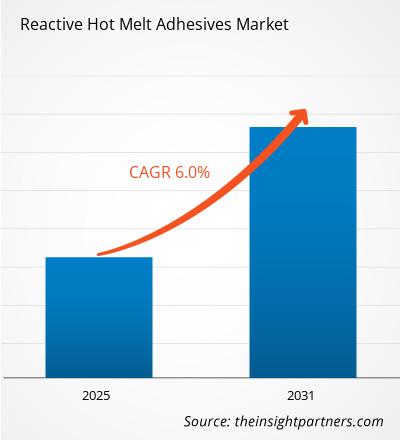
The Reactive Hot Melt Adhesives Market is growing as industries look for stronger, cleaner ways to bond materials. These adhesives are applied hot, then cure through a chemical reaction to form a tough, lasting bond. The market was valued at US$ 6.17 billion in 2025. It is expected to reach US$ 10.4 billion by 2034. That works out to a CAGR of 5.97% between 2026 and 2034.
What Is Driving the Market?
Durable bonding is the first driver. Automotive, electronics, and packaging makers need high-performance adhesives. Reactive hot melts offer superior bond strength, resistance to harsh conditions, and quick curing. That mix suits demanding jobs.
Automotive and electronics growth is the second driver. Vehicle and device makers want lightweight, strong, and durable materials. Reactive hot melt adhesives deliver robust, long-lasting bonds while improving manufacturing efficiency.
Get exclusive insights into the Reactive Hot Melt Adhesives Market – https://www.theinsightpartners.com/sample/TIPRE00040221
Sustainability is the third driver. Unlike solvent-based adhesives, reactive hot melts typically emit fewer volatile organic compounds. That helps companies meet regulations and green goals. Rising environmental awareness is pushing more buyers toward them. The United States is a key market where these forces come together.
Which Segment Leads?
The report studies the market by resin type, substrate, and application.
By resin type, it covers polyurethane and polyolefin. Polyurethane is the best-known chemistry for reactive hot melts, prized for strength and flexibility. Polyolefin offers another route for specific needs.
By substrate, the report covers plastic and wood. Both are widely used in vehicles, furniture, and building products.
By application, it covers automotive and transportation, doors and windows, furniture and upholstery, lamination, and textile. Automotive and transportation is expected to grow fastest during the forecast period. Carmakers need lightweight bonding for assembly, and that need keeps rising.
Which Region Leads?
Asia Pacific held the largest share of the market. The region’s strong automotive sector is the main reason. Large vehicle output creates steady demand for advanced adhesives across the region, from assembly lines to interior parts.
North America and Europe remain important. The United States stands out as a key market, supported by durable bonding needs, automotive and electronics growth, and sustainability concerns. The report also covers South and Central America, along with the Middle East and Africa. Country detail includes China, India, Japan, Germany, France, the UK, Brazil, and Saudi Arabia.
Which Companies Are Prominent?
The report profiles these market leaders:
- Henkel AG & Co. KGaA
- The Dow Chemical Company
- H.B. Fuller Company
- Jowat SE
- 3M
- ARKEMA
- SIKA AG
- DIC CORPORATION
This is a field of global chemical and adhesive specialists. They compete on bond performance, cure speed, and greener formulas. Customers in automotive and furniture often want tailored products, so technical support and close customer ties matter too. The report studies each firm’s competitive strategies and innovation efforts.
Buy the Full Report https://www.theinsightpartners.com/buy/TIPRE00040221
What Is Changing in 2026?
Eco-friendly formulas are the biggest shift. Makers are developing low-VOC and biodegradable adhesives that avoid solvents, in response to stricter rules and buyer demand for safer materials. This shift is changing how products are designed, tested, and sold across industrial markets.
Automation is the next change. Robotic and automated lines need adhesives that bond quickly and reliably at high speed. Reactive hot melts offer fast curing, precision, and strong bonds, so they fit these lines well.
Packaging is also gaining ground. Demand is growing for lightweight, strong, and recyclable packs. Reactive hot melts are increasingly used in corrugated box sealing, label adhesion, and other jobs where bond strength protects the product.
What Are the Investment Opportunities?
The total addressable market for 2026 to 2034 is projected at about US$ 75.04 billion.
Three opportunities stand out. First, electric vehicle manufacturing. EVs need lightweight materials for better energy efficiency, and reactive hot melts can serve battery pack assembly, interior parts, and sealing. Second, sustainable packaging. These adhesives can replace solvent-based options with faster curing and greener formulas. Third, medical device manufacturing. Strong, durable bonds that meet regulatory standards matter in sensitive medical uses. Companies that invest in these areas are well placed to win share through 2034.
Related Reading / Reports
Explore additional research from The Insight Partners covering related adhesives and sealing markets:
- Global Hot Melt Adhesives Market — covers the wider hot melt adhesives space.
- Wood Adhesives Market — looks at bonding products for wood and furniture.
- Adhesives and Sealants Market — tracks the broader bonding and sealing industry.
- Sealants Market — covers materials that block leaks and gaps.
About US:
The Insight Partners is among the leading market research and consulting firms in the world. We take pride in delivering exclusive reports along with sophisticated strategic and tactical insights into the industry. Reports are generated through a combination of primary and secondary research, solely aimed at giving our clientele a knowledge-based insight into the market and domain. This is done to assist clients in making wiser business decisions. A holistic perspective in every study undertaken form an integral part of our research methodology and makes the report unique and reliable.
Contact US
If you have any queries about this report or if you would like further information, please contact us:
Phone: +1-646-491-9876
E-mail: sales@theinsightpartners.com
Also Available in :Korean | German | Japanese | French | Chinese | Italian | Spanish
