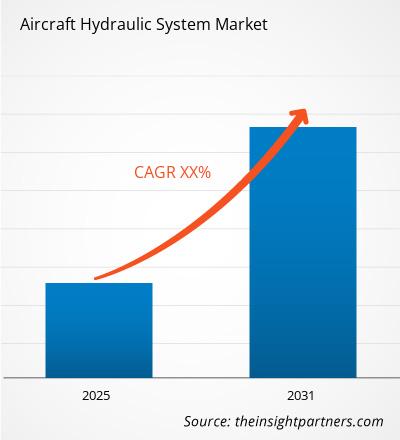
The global Aircraft Hydraulic System Market is poised for substantial expansion over the coming decade, driven by surging commercial air passenger traffic, accelerated defense modernization programs, and continuous technological breakthroughs in high-pressure, lightweight actuation systems. According to recent industry analysis, the Aircraft Hydraulic System Market size is expected to reach US$ 35.94 Billion by 2034 from US$ 13.89 Billion in 2025. The market is estimated to record a CAGR of 11.14% from 2026 to 2034.
Hydraulic systems serve as the operational backbone of modern fixed-wing and rotary-wing aircraft, delivering unmatched power density and reliability across mission-critical functions. From primary and secondary flight control surfaces to landing gear extension and retraction, braking mechanisms, nose-wheel steering, and thrust reversers, hydraulic architectures ensure precise, fail-safe performance under extreme environmental and operational loads.
Core Growth Drivers and Industry Dynamics
Several converging macroeconomic and engineering trends are fueling the rapid acceleration of the global market:
Surging Commercial Aircraft Deliveries and Passenger Traffic: As global air travel continues its upward trajectory, commercial airlines are expanding and renewing their fleets to improve fuel efficiency and lower operating costs. Major original equipment manufacturers (OEMs) are ramping up production rates for both narrow-body and wide-body platforms, directly boosting original equipment demand for hydraulic pumps, reservoirs, accumulators, valves, and actuators.
Defense Spending and Military Fleet Upgrades: Escalating geopolitical tensions and increased defense budgets worldwide are prompting armed forces to procure next-generation fighter jets, military transport aircraft, and advanced rotorcraft. Military platforms rely heavily on redundant, high-pressure hydraulic circuits capable of enduring high-G maneuvers and harsh combat environments.
Expanding Aftermarket and MRO Services: Alongside new aircraft builds, the aging global commercial and defense fleet requires rigorous maintenance, repair, and overhaul (MRO). Routine replacement of seals, hoses, filters, and hydraulic components generates steady, recurring revenue streams across the aftermarket ecosystem.
Get a PDF Sample- https://www.theinsightpartners.com/sample/TIPRE00019757
Market Segmentation Highlights
By system architecture, closed-center hydraulic systems continue to command the largest market share due to their ability to maintain continuous fluid circulation and rapid response times for complex flight controls. Across component categories, actuators and hydraulic pumps represent the dominant revenue generators, underpinning mechanical motion and system pressurization across commercial, business, and military aviation platforms. Regionally, North America maintains a leading position supported by a robust aerospace manufacturing base, while the Asia-Pacific region is emerging as the fastest-growing market owing to expanding domestic aviation infrastructure and massive fleet orders.
Competitive Landscape and Key Players
The global Aircraft Hydraulic System Market is characterized by high regulatory barriers, stringent safety certifications, and continuous investment in research and development. Leading aerospace suppliers are focusing on strategic partnerships, facility expansions, and next-generation electro-hydrostatic actuation technologies to strengthen their market positions. Key players operating in the market include:
Arkwin Industries, Inc.
Eaton Corporation plc
HYCOM
Liebherr-International Deutschland GmbH
Moog Inc.
PARKER HANNIFIN CORP
Safran S.A.
Senior plc
Triumph Group
Woodward, Inc.
Get Full Copy of This Report- https://www.theinsightpartners.com/buy/TIPRE00019757
Future Outlook
Looking ahead toward 2034, the Aircraft Hydraulic System Market will be defined by the convergence of traditional fluid power with digital intelligence and sustainable aviation goals. The ongoing “More Electric Aircraft” (MEA) trend is reshaping system architectures, driving the adoption of hybrid electro-hydrostatic actuators (EHAs) and electric backup hydraulic actuators (EBHAs) that eliminate centralized hydraulic piping in select zones while preserving hydraulic power density.
Furthermore, the integration of smart sensors, Internet of Things (IoT) diagnostics, and artificial intelligence-driven predictive maintenance will transform fleet management. Real-time monitoring of fluid pressure, temperature, and contamination levels will enable operators to detect wear before component failure occurs, minimizing unscheduled aircraft downtime and optimizing lifecycle costs. Coupled with the development of eco-friendly, fire-resistant synthetic hydraulic fluids and advanced composite materials, industry innovators are well-positioned to meet the evolving performance and sustainability demands of global aviation through 2034 and beyond.
Related Reports-
Hydraulic Equipment Market Size, Trends & Growth by 2034
Hydraulic Accumulators Market Share, Trends & Growth by 2034
About The Insight Partners
The Insight Partners is a leading market research and consulting firm delivering actionable insights through in-depth industry analysis and strategic intelligence. The firm supports clients across various industries in making informed decisions by providing comprehensive market forecasts, competitive assessments, and growth opportunities.
Contact Us:
If you have any queries about this report or if you would like further information, please contact us:
Contact Person: Ankit Mathur
E-mail: sales@theinsightpartners.com
Phone: +1-646-491-9876
Also Available in : Korean| German| Japanese| French| Chinese| Italian| Spanish
