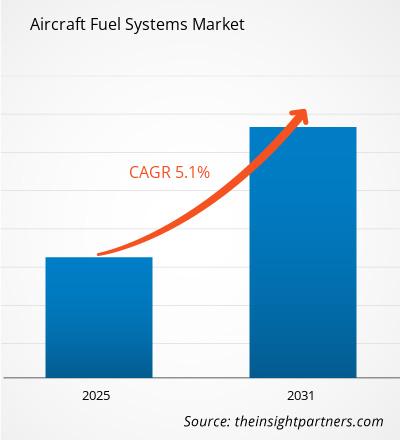
The global aviation sector is undergoing a massive transformation, driven by soaring air passenger traffic, extensive fleet modernizations, and strict environmental mandates. At the heart of this evolution is the critical advancement of aircraft architecture. According to the latest industry market evaluation, the Aircraft Fuel Systems Market size is expected to reach US$ 15.3 Billion by 2034, scaling up from US$ 9.82 Billion in 2025. The market is projected to expand at a steady Compound Annual Growth Rate (CAGR) of 5.05% from 2026 to 2034.
This growth is propelled by rising global commercial aircraft deliveries, escalating defense procurement, and an intense industry-wide focus on fuel efficiency and sustainable aviation. As next-generation commercial, cargo, and defense aircraft demand more sophisticated fuel storage, monitoring, transfer, and inerting technologies, leading aerospace manufacturers are stepping up to reshape the future of flight.
Driving Forces: Fleet Expansion and Sustainable Aviation
The aviation landscape is experiencing unprecedented orders for new commercial and freighter aircraft to meet rebounding global travel demands. To accommodate these demands, aircraft manufacturers and system integrators are optimizing fuel management architectures. Modern aircraft fuel systems comprising advanced piping, high-precision pumps, fuel valves, gauging and management systems, tanks, and inerting systems are critical for reducing overall aircraft weight and maximizing fuel burn efficiency.
Furthermore, the industry’s ongoing transition toward Sustainable Aviation Fuels (SAFs) and alternative propulsion technologies places new demands on fuel delivery infrastructure. Fuel system components must now offer multi-fuel compatibility, enhanced thermal stability, and intelligent IoT-enabled sensor diagnostics to reduce maintenance overhead and support predictive health monitoring.
Get a PDF Sample- https://www.theinsightpartners.com/sample/TIPRE00020696
Industry Titans Spearheading Innovation
The competitive landscape of the aircraft fuel systems market is defined by a strong cohort of global aerospace leaders and tier-1 system suppliers who are continuously innovating to meet rigorous safety and efficiency standards. The key players driving market expansion include:
Eaton Corporation PLC
Zodiac Aerospace
Honeywell International, Inc.
Triumph Group, Inc.
Parker Hannifin Corporation
Woodward, Inc.
GKN plc
United Technologies Corporation
Meggitt PLC
Safran
These market leaders are investing heavily in research and development to deliver lightweight, high-integrity fuel metering and inerting solutions that fulfill stringent regulatory requirements across both commercial and defense sectors.
Regional Insights: North America Leads, Asia-Pacific Accelerates
Geographically, North America continues to command a dominant share of the aircraft fuel systems market, anchored by the strong presence of major original equipment manufacturers (OEMs) like Boeing and Gulfstream Aerospace, premier engine builders, and robust Federal Aviation Administration (FAA) oversight.
Meanwhile, Asia-Pacific is positioned as the fastest-growing regional market over the forecast period. Surging middle-class demographics, rapid expansion of commercial airline fleets, massive airport infrastructure investments, and aggressive domestic aircraft production initiatives in countries like China and India are creating lucrative pockets of opportunity for industry stakeholders.
Get Full Copy of This Report- https://www.theinsightpartners.com/buy/TIPRE00020696
Future Outlook
Looking toward 2034, the future outlook for the aircraft fuel systems market remains exceptionally bright. As the market marches toward the US$ 15.3 Billion milestone, innovation will be heavily concentrated on digital transformation and eco-conscious engineering.
Key trends expected to define the next decade include:
Digital Integration: Widespread adoption of fly-by-wire automated architectures, smart fuel gauging, and sensor-based real-time diagnostics.
Unmanned Systems Expansion: A surge in specialized requirements for military and commercial Unmanned Aerial Vehicles (UAVs), necessitating ultra-lightweight, compact fuel distribution setups.
Eco-Design and SAF Readiness: Redesigning fuel lines, tanks, and valves to safely handle alternative fuel blends and future cryogenic or hydrogen architectures, aligning with global net-zero carbon emission targets.
Ultimately, the convergence of high-capacity commercial fleet renewals, military modernization programs, and smart fuel management systems ensures that the aircraft fuel systems market will remain a cornerstone of aerospace innovation through 2034.
Related Reports-
Hydrogen Aircraft Market Size, Trends & Growth by 2034
About The Insight Partners
The Insight Partners is a leading market research and consulting firm delivering actionable insights through in-depth industry analysis and strategic intelligence. The firm supports clients across various industries in making informed decisions by providing comprehensive market forecasts, competitive assessments, and growth opportunities.
Contact Us:
If you have any queries about this report or if you would like further information, please contact us:
Contact Person: Ankit Mathur
E-mail: sales@theinsightpartners.com
Phone: +1-646-491-9876
Also Available in : Korean| German| Japanese| French| Chinese| Italian| Spanish
