Key Highlights
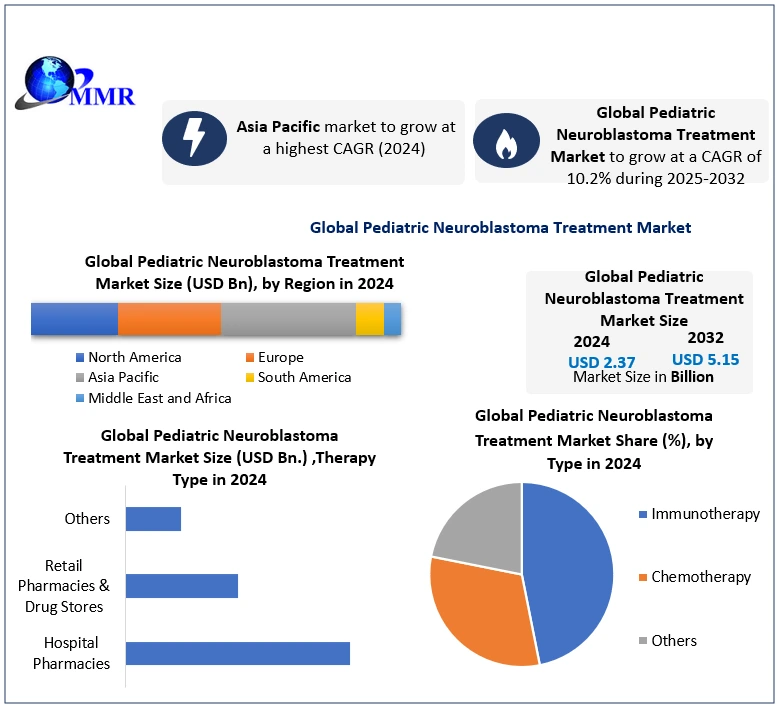
- The Pediatric Neuroblastoma Treatment Market was valued at USD 1.5 billion in 2023 and is expected to reach USD 3.1 billion by 2030, growing at a CAGR of 10.4% during 2024–2030.
- Increasing focus on childhood cancer treatment innovation is expanding demand for advanced therapeutic solutions.
- The Chemotherapy segment dominated the market in 2023 due to its established use in neuroblastoma treatment protocols.
- North America held the largest market share due to advanced oncology infrastructure, research activity, and access to innovative treatments.
Why This Matters Now
Pediatric cancer treatment providers and pharmaceutical companies are facing growing demand for therapies that improve survival outcomes while reducing treatment burden for young patients. The Pediatric Neuroblastoma Treatment Market is gaining strategic importance as oncology moves toward targeted, personalized, and biologically driven treatment approaches.
For biotech companies and investors, neuroblastoma represents an area where innovation can address significant unmet clinical needs. Advances in immunotherapy, precision medicine, and targeted treatment development are changing competition across pediatric oncology.
Market Overview
The Pediatric Neuroblastoma Treatment Market covers therapies used for treating neuroblastoma, a cancer that develops from immature nerve cells and primarily affects children. Treatment approaches include chemotherapy, immunotherapy, radiation therapy, surgery, and other advanced therapies.
The market is driven by increasing focus on improving pediatric cancer outcomes and expanding research into new treatment strategies. Healthcare systems are investing in specialized oncology services to support diagnosis, treatment planning, and long-term patient care.
Pharmaceutical and biotechnology companies are developing new therapies aimed at improving effectiveness and addressing treatment challenges. Innovation in cancer biology research is creating opportunities for new approaches beyond conventional treatment methods.
The market also faces challenges related to complex disease biology, treatment costs, clinical trial requirements, and access to advanced therapies. Healthcare providers and developers must balance innovation with affordability and patient accessibility.
Key Trends Driving Growth
Advances in precision oncology are influencing neuroblastoma treatment strategies. Researchers are exploring therapies designed to target specific disease characteristics, creating opportunities for more individualized treatment approaches.
Immunotherapy is becoming an important area of oncology development. Treatments that use the immune system to target cancer cells are expanding the range of options available for pediatric cancer management.
Pharmaceutical innovation is accelerating through clinical research and biotechnology investment. Companies are focusing on developing therapies that can improve outcomes for patients with difficult-to-treat disease.
Diagnostic advancements are supporting better treatment planning. Improved understanding of disease characteristics can help healthcare providers select appropriate therapies and monitor treatment response.
Digital health and AI applications are emerging areas in oncology. While the MMR report identifies technology and innovation as market influences, specific AI integration data is not provided.
Request a Free Sample Copy or View Report Summary
Segment Insights
- Dominant Segment: Chemotherapy
The Chemotherapy segment held the largest market share in 2023. Its established clinical use and integration into neuroblastoma treatment protocols support continued demand. - Fastest-Growing Segment: Immunotherapy
The Immunotherapy segment is expected to grow rapidly as research advances and healthcare providers adopt newer approaches for pediatric cancer treatment. - Treatment Categories
Pediatric neuroblastoma therapies include chemotherapy, immunotherapy, radiation therapy, surgery, and other treatment options. The market is shifting toward therapies designed for improved clinical outcomes. - Application Opportunities
Hospitals, specialty cancer centers, and pediatric oncology institutions represent key end users. Expanding oncology infrastructure supports adoption of advanced treatment solutions.
Regional Growth Story
North America dominated the Pediatric Neuroblastoma Treatment Market in 2023 due to advanced healthcare infrastructure, strong oncology research capabilities, and availability of innovative treatments.
The United States remains a major contributor through pharmaceutical research, pediatric cancer centers, and clinical trial activity. Healthcare providers continue adopting advanced oncology approaches to improve treatment outcomes.
Europe, including Germany and the UK, represents an important market through strong healthcare systems, cancer research programs, and access to specialized pediatric care. Regulatory pathways influence treatment availability and innovation.
Asia-Pacific markets, including China, Japan, India, and South Korea, are expanding due to improving healthcare infrastructure and increasing focus on cancer treatment capabilities. Rising investment in oncology research creates future growth opportunities.
Regional development depends on healthcare spending, access to advanced therapies, reimbursement frameworks, and research activity.
Competitive Landscape
The Pediatric Neuroblastoma Treatment Market includes pharmaceutical companies, biotechnology firms, and oncology-focused organizations developing treatment solutions. Competition is centered on clinical effectiveness, innovation, regulatory approvals, and patient access.
Key companies identified in the MMR report include United Therapeutics Corporation, Y-mAbs Therapeutics, Inc., Baxter International Inc., F. Hoffmann-La Roche Ltd., and other healthcare organizations involved in oncology treatment development.
Companies are investing in targeted therapies, immunotherapy research, and clinical development programs. These strategies indicate a market focused on improving treatment outcomes and expanding therapeutic options.
Regulatory approvals and clinical trial progress strongly influence competitive positioning. Companies that demonstrate safety, efficacy, and meaningful patient benefits can strengthen their market presence.
Collaboration between pharmaceutical companies, research institutions, and healthcare providers continues supporting innovation in pediatric oncology.
Recent Developments
- Biotechnology and pharmaceutical companies are expanding research programs focused on advanced pediatric cancer therapies.
- Growing interest in immunotherapy and targeted treatments is creating new opportunities in neuroblastoma care.
- Oncology research investments are supporting development of innovative treatment approaches for childhood cancers.
Strategic Implications
Healthcare providers should strengthen specialized pediatric oncology capabilities to support adoption of advanced treatments. Improved care pathways can help optimize diagnosis, treatment selection, and patient monitoring.
Pharmaceutical companies should prioritize therapies that demonstrate meaningful clinical value while addressing accessibility challenges. Innovation, regulatory readiness, and patient-focused development will shape market success.
Investors are monitoring companies with strong oncology pipelines and differentiated treatment approaches. Long-term opportunities depend on research outcomes, commercialization capability, and healthcare adoption.
Regulators and payers will influence market direction through approval processes, reimbursement policies, and evaluation of emerging therapies.
Future Outlook
The Pediatric Neuroblastoma Treatment Market is expected to expand as oncology innovation, targeted therapies, and precision treatment approaches continue developing. The projected growth from USD 1.5 billion in 2023 to USD 3.1 billion by 2030 highlights increasing focus on advanced pediatric cancer care.
Future leaders will be the companies that combine scientific innovation, clinical effectiveness, regulatory success, and patient access strategies, while laggards will struggle in a market demanding stronger outcomes for childhood cancer treatment.
Analyst Perspective
“Pediatric neuroblastoma treatment is entering a period of greater innovation as healthcare providers and biotechnology companies focus on advanced oncology solutions. Organizations that accelerate research, improve treatment accessibility, and deliver clinically meaningful therapies can capture opportunities in this growing market,” said Komal Patil, Research Analyst.
About Maximize Market Research
Maximize Market Research Pvt. Ltd. (MMR) is a global market research and consulting company that provides reliable, data-focused, and practical business insights. The firm serves a wide range of industries, including healthcare, pharmaceuticals, technology, automotive, electronics, chemicals, personal care, and consumer goods. Through market forecasts, competitive analysis, strategic consulting, and industry impact assessments, MMR helps organizations understand changing market conditions, identify growth opportunities, and make informed business decisions for long-term success.
2nd Floor, Navale IT Park Phase 3
Pune Banglore Highway, Narhe
Pune, Maharashtra 411041, India
+91 9607365656
sales@maximizemarketresearch.com
