Key Highlights
- The Middle East Wearable Medical Devices Market is expanding through increasing digital healthcare adoption and demand for patient monitoring solutions.
- Rising focus on chronic disease management is creating opportunities for wearable monitoring technologies.
- Smartwatches, biosensors, and connected healthcare devices are supporting remote patient monitoring strategies.
- Healthcare modernization programs across Middle Eastern countries are increasing demand for advanced medical technologies.
Why This Matters Now
Healthcare providers across the Middle East are facing increasing demand for efficient chronic disease management, preventive care, and technology-enabled services. Wearable medical devices are becoming important tools for continuous monitoring, allowing healthcare systems to move beyond traditional episodic care.
For hospitals, medical technology companies, and investors, the shift toward connected healthcare creates a new competitive landscape. Organizations that integrate wearable solutions with healthcare delivery models can improve patient engagement, expand monitoring capabilities, and support more efficient care pathways.
Market Overview
The Wearable Medical Devices Market in the Middle East includes healthcare devices designed to monitor physiological conditions, track health parameters, and support disease management. These devices include wearable sensors, smart monitoring systems, and connected healthcare technologies.
The market is growing as healthcare systems adopt digital solutions to improve access, efficiency, and patient outcomes. Wearable devices provide opportunities for continuous health tracking and support remote monitoring models.
The Middle East healthcare sector is undergoing digital transformation, driven by investments in healthcare infrastructure and technology adoption. Wearable medical devices align with this transformation by enabling data-driven healthcare delivery.
The market also benefits from increasing awareness among patients and healthcare providers about preventive health management. Wearable technologies are supporting a shift toward proactive monitoring rather than reactive treatment.
Key Trends Driving Growth
Digital health adoption is a major factor influencing market expansion. Healthcare providers are increasingly exploring connected devices that allow real-time health information collection and remote patient management.
Chronic disease management is another important growth area. Conditions requiring regular monitoring create demand for wearable technologies that help track patient health outside hospitals.
Remote patient monitoring is gaining attention as healthcare systems seek more efficient care delivery models. Wearable devices support continuous monitoring and can reduce dependence on frequent hospital visits.
Advancements in sensor technology are improving wearable device capabilities. Manufacturers are developing solutions focused on accuracy, comfort, and integration with healthcare platforms.
Telemedicine growth is creating additional opportunities. Connected wearable devices can support virtual healthcare models by providing healthcare professionals with patient data during remote consultations.
Artificial intelligence integration is becoming an emerging area across healthcare technology. While the supplied MMR report does not provide specific AI adoption data for this market, broader healthcare digitalization trends indicate increasing interest in data-driven medical solutions.
Request a Free Sample Copy or View Report Summary
Segment Insights
- Dominant Segment: Diagnostic & Monitoring Devices
The diagnostic and monitoring segment represents a major area of wearable medical device adoption due to increasing demand for tracking vital health parameters and supporting patient care. - Fastest-Growing Segment: Smart Wearable Healthcare Devices
Smart wearable devices are expected to experience strong growth as healthcare providers and consumers adopt connected solutions for continuous health monitoring. - Product Categories
Wearable medical devices include monitoring systems, sensors, and healthcare-focused wearable technologies designed for clinical and personal health applications. - Application Opportunities
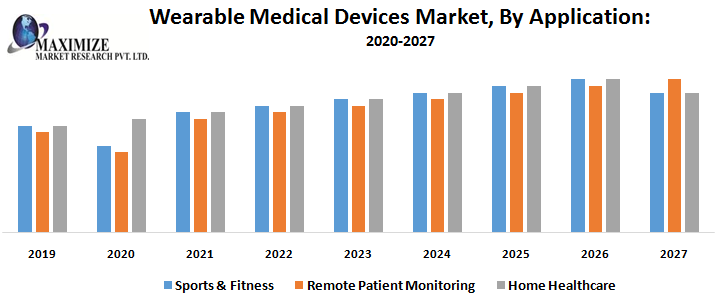
Applications include chronic disease management, fitness and wellness monitoring, remote healthcare support, and preventive care initiatives.
Regional Growth Story
The Middle East wearable medical devices market is benefiting from healthcare modernization efforts across countries including the United Arab Emirates and Saudi Arabia.
The United Arab Emirates continues investing in digital healthcare infrastructure and technology-driven healthcare services. These investments create opportunities for wearable healthcare solutions that support connected care.
Saudi Arabia’s healthcare transformation initiatives are increasing interest in advanced medical technologies. Wearable devices align with broader goals around healthcare efficiency, accessibility, and innovation.
Other regional markets are also adopting healthcare technology solutions as healthcare providers seek improved monitoring capabilities and patient-centered care models.
Globally, markets such as the United States, Germany, the UK, China, Japan, India, and South Korea are advancing wearable healthcare adoption through digital health ecosystems and medical technology innovation. These developments influence technology trends and market strategies in the Middle East.
Competitive Landscape
The Middle East Wearable Medical Devices Market includes global medical device companies, healthcare technology providers, and wearable technology developers.
Companies are competing through product innovation, connected platforms, and expanded healthcare applications. Market participants are focusing on improving device performance, data integration, and user experience.
The competitive environment is shifting from standalone devices toward integrated healthcare solutions. Companies offering devices that connect with healthcare systems can strengthen their position among hospitals and healthcare networks.
Strategic collaborations between technology providers and healthcare organizations are becoming important. These partnerships help accelerate adoption by connecting wearable technologies with clinical workflows.
Investments in digital healthcare infrastructure signal long-term market opportunities. Companies entering the Middle East market must consider regulatory pathways, reimbursement structures, and healthcare system requirements.
Recent Developments
- Healthcare providers are increasing adoption of connected monitoring solutions to support remote care models.
- Wearable technology companies are expanding healthcare applications beyond consumer wellness into clinical monitoring.
- Digital transformation initiatives are creating new opportunities for wearable medical device integration.
Strategic Implications
Healthcare providers should evaluate wearable technologies as part of broader digital healthcare strategies. Integration with electronic health records and remote monitoring platforms can improve care coordination.
Medical device companies should focus on regional customization, regulatory compliance, and partnerships with healthcare organizations. Market success depends on delivering solutions that address local healthcare priorities.
Investors are monitoring wearable healthcare technologies due to their connection with digital transformation and preventive care trends. Opportunities will depend on adoption rates, technology scalability, and healthcare infrastructure readiness.
Payers and regulators will influence market growth through reimbursement policies and frameworks supporting technology-enabled healthcare delivery.
Future Outlook
The Middle East Wearable Medical Devices Market is expected to expand as healthcare systems prioritize digital solutions, remote monitoring, and preventive care. Increasing demand for connected healthcare technologies will continue shaping investment and innovation strategies.
Future leaders will be the companies that combine accurate monitoring, healthcare integration, regulatory readiness, and scalable digital platforms, while laggards will struggle to compete in a market moving toward connected and patient-focused healthcare.
Analyst Perspective
“Wearable medical devices are becoming increasingly important as healthcare systems move toward continuous monitoring and digital care models. Companies that deliver reliable, connected, and clinically valuable solutions can capture emerging opportunities across the Middle East healthcare landscape,” said Komal Patil, Research Analyst.
About Maximize Market Research
Maximize Market Research Pvt. Ltd. (MMR) is a global market research and consulting company that provides reliable, data-focused, and practical business insights. The firm serves a wide range of industries, including healthcare, pharmaceuticals, technology, automotive, electronics, chemicals, personal care, and consumer goods. Through market forecasts, competitive analysis, strategic consulting, and industry impact assessments, MMR helps organizations understand changing market conditions, identify growth opportunities, and make informed business decisions for long-term success.
2nd Floor, Navale IT Park Phase 3
Pune Banglore Highway, Narhe
Pune, Maharashtra 411041, India
+91 9607365656
sales@maximizemarketresearch.com
