Key Highlights
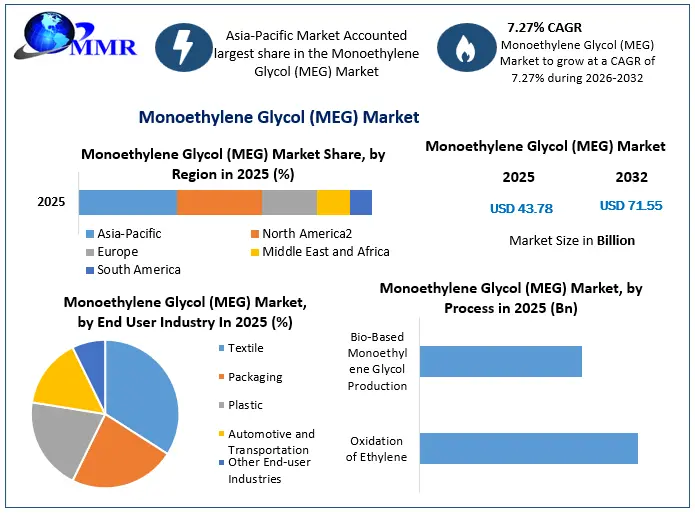
The global marketplace achieved a baseline valuation of USD 43.78 billion in 2025 and is on track to cross USD 71.55 billion by 2032.
Operational expansion proceeds at a compound annual growth rate of 7.27% across the 2026 to 2032 analytical timeline.
Polyester fibre production maintains absolute segment dominance, driven by continuous global apparel and domestic textile manufacturing demand.
Upstream crude oil price volatility remains the primary systemic restraint, directly squeezing processing margins for commodity glycol plants.
Asia-Pacific retains structural dominance over global volumes, driven by massive domestic capacity additions across China and India.
Bio-based production pathways are emerging as a key differentiator, driven by premium packaging requirements from global beverage brands.
Downstream electric vehicle automotive interiors are accelerating specialized consumption profiles for engineered automotive interior textiles.
Why This Matters Now
Polyester compounding executives, consumer packaging buyers, and industrial automotive procurement directors face severe supply chain recalculations as hydrocarbon market instability threatens upstream operating margins. The financial viability of traditional processing infrastructure faces direct pressure from extreme feedstock oil swings and stricter international carbon tracking regulations. Industrial operators can no longer rely on simple long-term volume agreements without factoring in volatile raw material pricing and the rapid commercialization of alternative bio-based inputs.
What changed? The commercial landscape has shifted from basic commodity volume competition toward high-yield, traceable product differentiation. Why now? International consumer goods companies are aggressively overhauling their plastic packaging specifications to meet strict corporate carbon reduction targets. Companies that secure stable allocations of bio-based glycol or optimize their downstream resin partnerships insulate their lines from fossil fuel price shocks, while laggards face direct margin erosion and loss of supply access.
Market Overview
The global monoethylene glycol meg market secured an aggregate valuation of USD 43.78 billion in 2025. Driven by steady manufacturing consumption and a rapid expansion of consumer goods packaging networks, total global revenue is projected to hit USD 71.55 billion by 2032. This long-term expansion reflects a steady 7.27% CAGR across the forecast horizon.
However, system-wide macroeconomic complexities continue to create structural friction for traditional manufacturing facilities. Volatility in upstream crude oil pricing directly alters the production economics of ethylene derivatives, causing erratic cost variations that impact merchant sellers. Furthermore, navigating diverse international legal frameworks adds operational overhead, requiring producers to balance compliance costs against production output.
Key Trends Driving Growth
Accelerating downstream consumption within the international beverage packaging sector is driving major capacity expansions for high-purity resin lines. Global consumer beverage brands are expanding their presence in emerging markets, increasing their reliance on durable PET packaging systems. This continuous retail expansion creates a strong baseline demand for high-grade chemical inputs, requiring glycols that offer consistent clarity and strength.
Concurrently, the global automotive sector is undergoing a major shift toward vehicle electrification, creating new application vectors for high-strength polyester derivatives. Electric vehicle manufacturers use extensive volumes of specialized fibers for vehicle cabins, sound insulation setups, and floor coverings. This automotive engineering requirement, combined with a rising demand for high-performance industrial coolants, helps insulate manufacturers from localized downturns in traditional clothing and textile sectors.
Segment Insights
Dominant Application Segment: Polyester fibre production dominated the global market landscape in 2025, backed by relentless volume demand from international textile and consumer apparel manufacturing networks. This single application segment controls the majority of merchant glycol volume, linking market pricing directly to seasonal retail apparel buying trends.
Fastest-Growing Opportunity Segment: Bio-based glycol variants represent the most rapid growth vector within the specialty chemical space. This sub-segment expands as consumer packaged goods giants willingly pay a premium for renewable alternatives to reduce their scope 3 emissions.
Dominant Downstream Driver: High-performance PET bottle manufacturing remains a core volume anchor. The processing segment requires reliable, large-volume supplies of pure intermediate chemicals to sustain continuous blow-molding operations globally.
Regional Growth Story
The Asia-Pacific region holds the premier position within the global landscape, maintaining absolute volume dominance in 2025. This geographic lead is anchored by massive industrial production capacity across China, India, and Japan. China hosts major domestic PET resin entities, including PetroChina Group and Jiangsu Synganglion, which operate large-scale processing units with capacities exceeding 2 million tons.
India is also expanding its regional presence by commissioning large-scale petrochemical networks to meet growing domestic consumption. The country’s expanding middle class and growing manufacturing sectors drive continuous demand for textiles and consumer packaging. This regional industrial base makes Asia-Pacific the primary manufacturing hub for automotive assembly and textile production, drawing heavy global capital into local glycol infrastructure.
Competitive Landscape
The competitive structure of the global market is defined by consolidation among a highly integrated group of multinational petrochemical producers. Top-tier operators like Dow Chemical, ExxonMobil, LyondellBasell, Shell, and BASF maintain extensive chemical complexes to capture economies of scale. These major players are using their advanced technology licenses to optimize feedstock conversion rates and protect their margins against volatile crude oil markets.
Simultaneously, regional market leaders such as SABIC, SIBUR, and AkzoNobel are adjusting their target geographic footprints to better serve high-volume demand centers in Asia. To counter the threat of low-margin commodity competition, these dominant producers are investing heavily in process optimization and specialized product lines. This focus on scale and technological differentiation makes it increasingly difficult for smaller, non-integrated chemical blenders to compete on price or volume security.
Recent Developments
Global intermediate suppliers expanded their specialized distribution assets to secure supply security for high-volume polyester fiber spinning plants across major Asian industrial zones.
Regional petrochemical manufacturers optimized their ethylene derivative processing setups to reduce energy consumption during high-temperature conversion steps.
India Glycols expanded its market presence among environmentally sensitive corporate buyers by scaling up its commercial bio-based production lines.
PetroChina Group and Jiangsu Synganglion optimized their integrated downstream production networks to manage volatile raw material inputs across their 2-million-ton manufacturing assets.
Major consumer beverage brands formed long-term intermediate supply contracts to guarantee access to traceable, low-carbon resin components for their regional bottling plants.
Strategic Implications
The commercial success of bio-based producers like India Glycols shows that the market is embracing product differentiation over simple commodity volume. By catering to environmentally focused buyers, these producers can command premium prices that insulate their operations from fossil fuel cost swings. This shift shows that downstream consumer brands are actively using their purchasing power to reshape upstream chemical production methods.
Meanwhile, the massive operations of PetroChina Group and Jiangsu Synganglion demonstrate how scale is used as a strategic shield against volatile raw material markets. Operating integrated manufacturing systems with capacities over 2 million tons allows these corporations to optimize internal feedstocks and maintain stable output despite shifting energy costs. This scale advantage forces smaller commodity producers to either differentiate into specialty variations or face financial consolidation.
Future Outlook
The evolution of the global monoethylene glycol meg market will be determined by how effectively producers can manage volatile raw material costs while scaling alternative bio-based production methods. Pure-play petrochemical operations that fail to modernize their processing lines or hedge against energy market swings will face narrowing margins and reduced utilization rates. Conversely, integrated producers that link their output directly to high-margin automotive fibers and renewable packaging resins will secure stable long-term growth. The industry’s long-term winners will be defined by their ability to provide stable volume commitments while meeting strict international carbon reduction mandates.
Analyst Perspective
“The integration of alternative feedstock sourcing is transforming the global monoethylene glycol meg market from a volatile commodity sector into a highly technical space focused on resource security,” states Ankita Kagawade, Research Analyst at Maximize Market Research. “As major global beverage brands and automotive leaders enforce stricter carbon accounting standards, the reliance on traditional, unhedged fossil fuel derivatives introduces unacceptable supply chain risks. Organizations that pivot toward bio-derived alternatives and establish direct joint ventures with mega-scale regional producers will insulate their production lines from raw material price shocks and secure a lasting market advantage.”
About Maximize Market Research
Maximize Market Research Pvt. Ltd. (MMR) is a global market research and consulting company that provides reliable, data-focused, and practical business insights. The firm serves a wide range of industries, including healthcare, pharmaceuticals, technology, automotive, electronics, chemicals, personal care, and consumer goods. Through market forecasts, competitive analysis, strategic consulting, and industry impact assessments, MMR helps organizations understand changing market conditions, identify growth opportunities, and make informed business decisions for long-term success.
2nd Floor, Navale IT Park Phase 3
Pune Banglore Highway, Narhe
Pune, Maharashtra 411041, India
+91 9607365656
sales@maximizemarketresearch.com
