Key Highlights
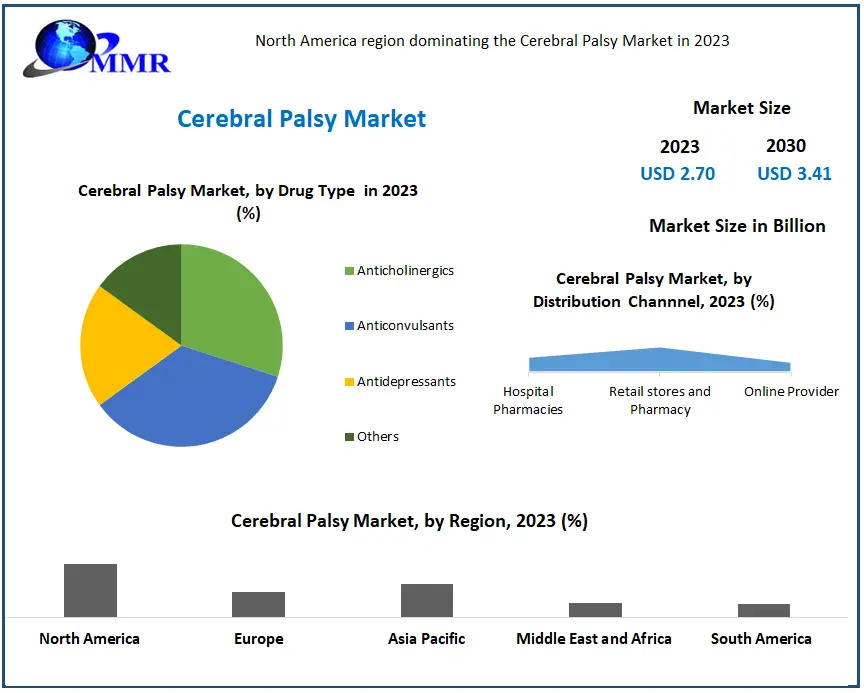
- The Cerebral Palsy Market was valued at USD 2,793.54 million in 2024 and is projected to reach nearly USD 3,788.01 million by 2032.
- Revenue is expected to grow at a CAGR of 3.88% from 2025 to 2032.
- Spastic cerebral palsy held the largest disease-type share, at around 52.84% in 2024.
- North America led the global market with around 45.21% revenue share in 2024.
- Asia-Pacific is expected to be the fastest-growing region during the forecast period.
- Personalized medicine, genetic sequencing, rehabilitation technologies and telemedicine are expanding the care model.
- High treatment costs, limited awareness and inadequate infrastructure remain barriers in low- and middle-income countries.
Why This Matters Now
Healthcare providers, payers and therapy companies face a growing need to support cerebral palsy patients across childhood and adulthood rather than through fragmented pediatric services alone. The Cerebral Palsy Market Size is projected to rise from USD 2,793.54 million in 2024 to nearly USD 3,788.01 million by 2032, increasing pressure on hospitals, rehabilitation networks and pharmaceutical companies to improve access to coordinated care.
The 3.88% CAGR is modest, but the clinical need is persistent and long-term. Cerebral palsy affects movement, posture, balance, vision, hearing and sensation, often alongside epilepsy, mental-health needs and orthopedic complications. That creates recurring demand for medication, therapy, surgery, diagnostics and specialist support.
Market Overview
Cerebral palsy is a group of neurological conditions that affects motor function and is considered the most common motor disability in children worldwide. The report states that cerebral palsy affects between one and four people per 1,000 globally, while about 18 million people live with the condition worldwide.
The market covers treatment across surgery, medication and supportive therapies. Medication includes anticholinergics, anticonvulsants, antidepressants and other drug categories. Other treatment approaches include physical therapy, occupational therapy, speech therapy and mental-health therapy.
The market is expanding because the patient burden extends beyond a single diagnosis. Many children with cerebral palsy have co-occurring conditions. The report identifies epilepsy in 41% of children with cerebral palsy. This raises the value of multidisciplinary treatment models that combine neurological, orthopedic, rehabilitation, mental-health and social support services.
Cerebral palsy is not always preventable. Prenatal damage accounts for 75% to 80% of cases, while prematurity and low birth weight remain significant risk factors. Improved neonatal and obstetric care has changed some disease patterns, but prevalence remains stable, particularly among premature infants.
Key Trends Driving Growth
Personalized medicine is becoming a central market trend. Traditional cerebral palsy treatment often focuses on symptom management and quality of life. The report identifies a shift toward tailored treatment plans based on genetic, physiological and psychological factors.
Genetic sequencing is supporting this transition. It can help clinicians create treatment plans for children with unusual cerebral palsy presentations. The report states that 14% of cases involve single-gene mutations and up to 31% involve clinically relevant copy number variations. For healthcare providers, this creates a stronger case for advanced diagnostics and targeted care planning.
Treatment personalization also extends to medication and rehabilitation. Muscle relaxants, anticholinergics, botulinum toxin, intrathecal baclofen therapy, anticonvulsants and other medicines can be selected based on individual symptoms. Physical, occupational, speech and language therapies are increasingly tailored to each patient’s mobility, communication and developmental needs.
Adults with cerebral palsy are also becoming a more important care population. Symptoms can become more pronounced with age, including chronic pain, muscle deterioration, orthopedic issues and cardiovascular problems. This creates demand for long-term care models that involve cardiology, pulmonology, orthopedics, nutrition and mental-health support.
Mental health is part of the treatment opportunity. Anxiety and depression are common among people with cerebral palsy, particularly as they manage physical limitations and adult-life pressures. Providers that combine mental-health services with rehabilitation and medical treatment can deliver more complete care pathways.
Emerging economies represent another growth opportunity. The report highlights high unmet need in low- and middle-income countries, where rehabilitation access, awareness and healthcare infrastructure can be limited. Providers that build affordable diagnostic, therapy and family-support services may gain access to underserved patient populations.
Request a Free Sample Report for Comprehensive Market Insights
Segment Insights
- Dominant Segment: Spastic Cerebral Palsy — Spastic cerebral palsy held around 52.84% of the global market in 2024 and is expected to grow at a CAGR of 4.01% during the forecast period. The segment benefits from its high prevalence, ongoing research activity and growing healthcare investment.
- Fastest-Growing Segment: Mixed Cerebral Palsy — The report states that mixed cerebral palsy is expected to grow at a rapid CAGR during the forecast period, although it does not provide a numerical growth rate. Mixed cerebral palsy accounts for 15.4% of cases and often requires broader care because patients experience features of more than one cerebral palsy type.
- Treatment Landscape — Treatment includes surgery, medication and therapy-led care. Medication categories include anticholinergics, anticonvulsants, antidepressants and other drugs, while non-drug services include physical therapy, occupational therapy, speech therapy and mental-health therapy.
- Distribution Channels — Hospital pharmacies, retail stores and pharmacies, and online pharmacies serve the market. Hospital-linked channels remain important because many patients require specialist assessment, treatment monitoring and coordinated rehabilitation.
Regional Growth Story
North America dominated the Cerebral Palsy Market with around 45.21% revenue share in 2024 and is expected to maintain leadership. The region benefits from strong healthcare infrastructure, high treatment awareness, improved medicine availability and the presence of cerebral palsy drug manufacturers.
The United States is the largest regional demand center. The report states that cerebral palsy affects around one in 345 children in the country, or about three per 1,000 eight-year-old children. The United Cerebral Palsy Foundation estimates that around 800,000 children and adults in the United States live with cerebral palsy symptoms, including around 500,000 children under 18.
The U.S. market is also supported by public and private investment. In March 2024, Adam Boehler and Martin Ventures invested in StationMD, a telemedicine company serving people with intellectual and developmental disabilities, including cerebral palsy. The investment signals a move toward remote access models that can reduce care barriers for patients with mobility limitations.
In January 2024, New York Governor Kathy Hochul announced investment in the Cerebral Palsy Associations of New York. The plan included USD 2 billion in workforce investment and USD 500 million in cost-of-living adjustments to support care infrastructure. The funding signals that workforce capacity is becoming a central factor in access to cerebral palsy services.
Europe is a mature market with stable growth and established healthcare systems. Germany, France and the United Kingdom have seen a reduction in birth prevalence associated with prenatal and perinatal factors over the past 20 years, to 1.5 per 1,000 live births. The region’s regulatory framework supports product quality and safety, while established healthcare delivery supports sales of medications and therapeutic interventions.
The United Kingdom and Ireland are also expanding care initiatives. In May 2024, the Cerebral Palsy Foundation collaborated with University College Cork, Trinity College Dublin and RCSI University of Medicine and Health Sciences to establish a program of excellence for cerebral palsy care in Ireland. The initiative signals demand for specialized, coordinated care systems rather than isolated treatment services.
Asia-Pacific is expected to be the fastest-growing regional market. China, India and Japan are seeing rising awareness, improving healthcare infrastructure and higher healthcare expenditure. Government efforts to improve disability awareness and early intervention are expected to strengthen treatment demand.
India represents a major unmet-need market. The report states that cerebral palsy incidence in rural areas is estimated at three to five cases per 1,000 live births. Limited modern medical facilities, low awareness and gaps in rehabilitation access increase the burden on families. Providers that invest in regional rehabilitation centers, workforce training and affordable therapies could expand access in these settings.
South Korea is included in the Asia-Pacific market scope, but the report does not provide country-specific market data or recent developments. The same applies to China and Japan beyond the broader regional growth drivers.
Competitive Landscape
The Cerebral Palsy Market includes pharmaceutical, biotechnology, medical-device and therapy-focused companies. Key players listed in the report include AbbVie, Ipsen Biopharmaceuticals, Merz GmbH & Co. KGaA, Teva Pharmaceutical Industries, Supernus Pharmaceuticals, Proveca, Novartis, Revance Therapeutics, Hope Biosciences, Merck & Co., Pfizer, GlaxoSmithKline, Abbott Laboratories, Acorda Therapeutics and Medtronic.
Competition is centered on symptom management, rehabilitation support and treatment innovation. Companies that can pair drug therapies with patient-specific diagnostics, digital access and coordinated care pathways may be better positioned than firms offering single-product solutions.
Research into innovative therapies is also shaping the market. A ClinicalTrials.gov update cited by the report described a Jazz Pharmaceuticals study of Sativex in children and adolescents aged eight to 18 with spastic cerebral palsy. The study found the treatment safe and effective. Positive findings could expand medication options and support wider adoption in spasticity management.
The report also cites research published in BMC Neurology indicating that intrathecal injections of umbilical cord blood mononuclear cells were safe and effective for children with cerebral palsy. Such research signals continued interest in regenerative and cell-based approaches, although broad market adoption will depend on further clinical development and treatment access.
Recent Developments
- In July 2024, the Cerebral Palsy Alliance collaborated with Cummins & Partners on the “A Life Changing Movement” campaign to increase awareness of support available to children and adults with cerebral palsy.
- In May 2024, the Cerebral Palsy Foundation partnered with University College Cork, Trinity College Dublin and RCSI University of Medicine and Health Sciences to launch a cerebral palsy care excellence program in Ireland.
- In March 2024, Adam Boehler and Martin Ventures invested in StationMD to expand telemedicine access for people with intellectual and developmental disabilities, including cerebral palsy.
- In January 2024, New York announced workforce and cost-of-living investment supporting the Cerebral Palsy Associations of New York.
- Research cited in the report points to potential treatment advances in Sativex and umbilical cord blood mononuclear cell therapy for spastic cerebral palsy.
Strategic Implications
Hospitals and rehabilitation networks should prepare for a lifetime-care model. Pediatric intervention remains essential, but adult cerebral palsy services will require greater coordination across pain management, orthopedics, cardiology, pulmonology, mental health and social support.
Pharmaceutical companies should focus on treatments that can demonstrate practical benefits in spasticity, seizures, pain and associated conditions. Payers will face growing pressure to support earlier intervention and multidisciplinary care, particularly where treatment can improve mobility, independence and quality of life.
Investors should track companies and providers building scalable care systems in emerging markets. The strongest opportunities are likely to come from combining diagnostic capability, therapy access, workforce development and telehealth rather than relying on a single treatment modality.
Future Outlook
Future leaders in the Cerebral Palsy Market will be those that make personalized, multidisciplinary and technology-enabled care accessible across the full patient lifespan, while laggards will remain constrained by fragmented services and limited reach.
Analyst Perspective
“Cerebral palsy care is moving toward personalized treatment plans that address neurological, physical, emotional and long-term health needs. Growth will depend on improving diagnostic access, strengthening rehabilitation infrastructure and expanding coordinated care in both mature and emerging healthcare markets,” said Komal Patil, Analyst.
About Maximize Market Research
Maximize Market Research Pvt. Ltd. (MMR) is a global market research and consulting company that provides reliable, data-focused, and practical business insights. The firm serves a wide range of industries, including healthcare, pharmaceuticals, technology, automotive, electronics, chemicals, personal care, and consumer goods. Through market forecasts, competitive analysis, strategic consulting, and industry impact assessments, MMR helps organizations understand changing market conditions, identify growth opportunities, and make informed business decisions for long-term success.
Contact Us
2nd Floor, Navale IT Park Phase 3
Pune Banglore Highway, Narhe
Pune, Maharashtra 411041, India
+91 9607365656
sales@maximizemarketresearch.com
