The global cybersecurity ecosystem is undergoing a radical transformation as digital infrastructures become increasingly complex and distributed. As organizations transition toward cloud native environments and integrated digital supply chains, the surface area for potential exploits has expanded exponentially. Within this context, the Threat Intelligence Market is emerging as a cornerstone of modern defense strategies. By 2031, this market is projected to reach unprecedented valuations, driven by the shift from reactive security measures to proactive, intelligence led defense frameworks.
Market Overview and Strategic Analysis
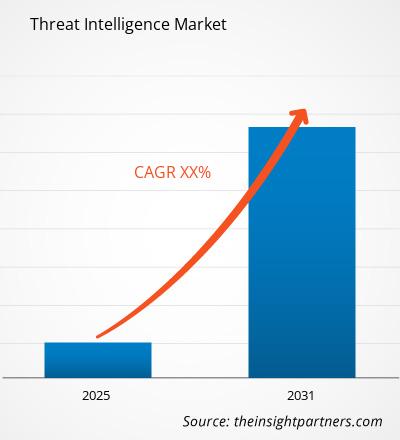
The threat intelligence market Growth encompasses the collection, processing, and analysis of data regarding existing or emerging atmospheric threats to an organization’s digital assets. This intelligence allows businesses to understand the motives, targets, and attack behaviors of threat actors. As we look toward 2031, the market is characterized by a move away from simple “indicator of compromise” (IoC) feeds toward high level strategic intelligence that informs executive decision making. The Threat Intelligence Market size is expected to reach US$ 11.23 Billion by 2031. The market is anticipated to register a CAGR of 12.6% during 2025-2031.
Several factors are propelling this market forward. First is the industrialization of cybercrime. Adversaries are now utilizing automated tools and artificial intelligence to launch sophisticated, multi stage attacks. To counter this, organizations are investing heavily in threat intelligence platforms (TIPs) that offer real time visibility into the dark web and other illicit forums. Furthermore, the integration of threat intelligence with existing security operations center (SOC) tools, such as SIEM and SOAR, is becoming a standard requirement for enterprises seeking to reduce their mean time to detect and respond to incidents.
Download Sample PDF Report@ https://www.theinsightpartners.com/sample/TIPTE100000656
Key Market Drivers and Evolution
One of the primary growth catalysts through 2031 is the adoption of Artificial Intelligence and Machine Learning within intelligence platforms. These technologies enable the ingestion of massive datasets from disparate sources, identifying patterns that would be impossible for human analysts to spot manually. By automating the triage of alerts, threat intelligence solutions are helping to alleviate the global cybersecurity talent shortage.
Another significant trend is the rise of industry specific threat intelligence. While generic threat feeds remain useful, there is an increasing demand for specialized intelligence tailored to sectors like finance, healthcare, and critical infrastructure. For instance, financial institutions require deep insights into banking trojans and SWIFT related threats, while the manufacturing sector focuses on industrial control systems (ICS) and operational technology (OT) security. This specialization is expected to drive higher service premiums and long term contract values.
The transition to the cloud also plays a pivotal role. As corporate data moves to hybrid and multi cloud environments, the perimeter is no longer clearly defined. Threat intelligence providers are evolving to offer cloud workload protection and identity centric intelligence, ensuring that security teams can track actor movements across virtualized environments.
Competitive Landscape and Top Players
The threat intelligence market is highly competitive, featuring a mix of established cybersecurity giants and specialized boutique firms. Innovation is primarily focused on the accuracy of data and the reduction of false positives. Key players shaping the market through 2031 include:
- CrowdStrike: Known for its Falcon platform, CrowdStrike integrates world class endpoint protection with deep adversary tracking.
- Anomali: A leader in threat intelligence platforms that helps organizations correlate massive amounts of data to find actionable insights.
- Recorded Future: Distinguished by its use of natural language processing to scan the entire web for emerging threats in real time.
- Mandiant (now part of Google Cloud): Renowned for its incident response expertise and high fidelity frontline intelligence.
- Palo Alto Networks: Offers integrated intelligence through its Unit 42 research division and Cortex XSOAR platform.
- IBM Security: Provides comprehensive X Force threat intelligence integrated into a wide array of enterprise security products.
- ThreatConnect: Focuses on the orchestration of intelligence to create a data driven security strategy.
These organizations are increasingly focusing on strategic partnerships and acquisitions to broaden their data collection capabilities and enhance their geographical footprint.
Segmenting the Market
By 2031, the market will be segmented by component, deployment mode, and organization size. The services segment, including managed threat hunting and professional consulting, is expected to see significant growth as small and medium enterprises (SMEs) seek to outsource their intelligence needs. While large enterprises currently dominate the market share due to their significant budgets, the “intelligence as a service” model will make advanced security more accessible to smaller firms.
Geographically, North America remains the largest market due to early adoption and the presence of major tech hubs. However, the Asia Pacific region is anticipated to record the highest growth rate. Rapid digitalization in countries like India, China, and Vietnam, coupled with increasing government regulations regarding data protection, is forcing organizations in these regions to prioritize threat intelligence.
Get Full Copy of This Report @ https://www.theinsightpartners.com/buy/TIPTE100000656
Future Outlook
Looking toward the end of the decade, the threat intelligence market will move toward a state of “predictive defense.” Instead of merely identifying what happened, platforms will use behavioral analytics to predict where the next strike is likely to occur. We will see a greater emphasis on “Threat Ledger” technologies and blockchain for verifying the authenticity of shared intelligence. Moreover, as national security and corporate security continue to overlap, the collaboration between private intelligence firms and government agencies will become more formalized. The ultimate goal by 2031 is a seamless, global intelligence network where a threat detected in one sector is instantly mitigated across all others through automated, synchronized defense protocols.
About The Insight Partners
The Insight Partners provides comprehensive syndicated and tailored market research services in the healthcare, technology, and industrial domains. Renowned for delivering strategic intelligence and practical insights, the firm empowers businesses to remain competitive in ever-evolving global markets.
Contact Information
- Email: sales@theinsightpartners.com
- Website: theinsightpartners.com
- Phone: +1-646-491-9876
Also Available in: Korean|German|Japanese|French|Chinese|Italian|Spanish
