Pyrimethamine plays a vital role in the treatment of malaria, toxoplasmosis, and other parasitic infections across global healthcare systems. Growing awareness of infectious disease management and expanding healthcare access continue to strengthen demand for this essential therapeutic agent. Continued innovation in drug formulations is expected to enhance treatment effectiveness and patient outcomes.
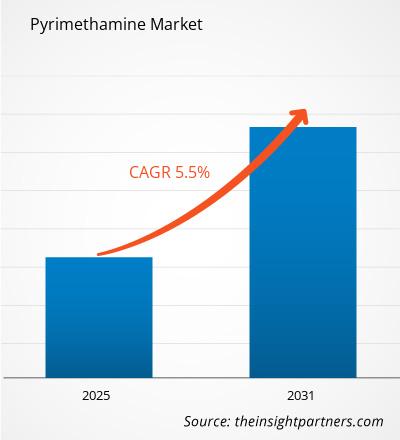
The Pyrimethamine Market is projected to grow from US$ 1.31 billion in 2025 to US$ 2.05 billion by 2034, registering a CAGR of 5.10% during the forecast period of 2026 to 2034. According to industry analysis, market expansion is supported by the increasing incidence of malaria and toxoplasmosis, rising HIV-positive populations requiring opportunistic infection management, and growing availability of affordable treatment options. Continuous investments in pharmaceutical innovation and public health programs are also expected to contribute to sustained growth across developed and emerging economies.
Get Sample PDF @ https://www.theinsightpartners.com/sample/TIPRE00011117
Rising Burden of Infectious Diseases Drives Demand
The increasing prevalence of malaria and toxoplasmosis remains the primary growth catalyst for the Pyrimethamine Market. Malaria continues to affect millions of people annually, particularly in tropical and subtropical regions, creating consistent demand for effective antimalarial therapies. Likewise, toxoplasmosis remains a significant health concern among immunocompromised individuals, including HIV-positive patients.
Government disease eradication initiatives, improved diagnostic capabilities, and broader healthcare access are encouraging earlier diagnosis and treatment. As healthcare systems strengthen surveillance and disease management programs, demand for reliable therapeutic drugs such as pyrimethamine is expected to remain stable throughout the forecast period.
Innovation in Drug Formulations Expands Growth Opportunities
Pharmaceutical companies continue investing in research aimed at improving pyrimethamine formulations. Development efforts focus on enhancing bioavailability, reducing adverse effects, and improving patient compliance through sustained release formulations and combination therapies.
Growing concerns regarding antimicrobial resistance have accelerated research into combination treatment strategies that pair pyrimethamine with complementary drugs to improve therapeutic outcomes. These innovations are expected to support long term adoption while addressing evolving clinical challenges associated with infectious diseases.
Affordable generic formulations are also becoming increasingly important, particularly across low and middle income countries where disease prevalence remains high. Cost effective treatment options improve accessibility while supporting national healthcare initiatives.
Expanding Healthcare Infrastructure Supports Adoption
Healthcare infrastructure improvements across Asia Pacific, Africa, Latin America, and other developing regions are contributing significantly to product adoption. Increased government healthcare spending, stronger pharmaceutical supply chains, and greater availability of diagnostic services are enabling wider patient access to essential medications.
Hospitals remain the largest application segment due to their central role in treating severe malaria and toxoplasmosis cases. Clinics and laboratories are also experiencing growing demand as early diagnosis and outpatient treatment become more common.
By type, the industry is segmented into:
- Injectables
- Capsules
- Tablets
By application, the report covers:
- Hospital
- Clinic
- Laboratory
- Others
Tablets continue to represent a widely prescribed dosage form because of convenience, affordability, and established clinical use, while injectable formulations remain important for severe infections requiring immediate intervention.
Regional Analysis Highlights Diverse Growth Patterns
North America maintains a significant position due to advanced healthcare infrastructure, established pharmaceutical companies, and ongoing management of opportunistic infections among immunocompromised populations. The United States remains an important contributor owing to increased awareness of toxoplasmosis treatment and HIV care.
Europe continues to experience stable demand supported by strong healthcare systems and ongoing infectious disease monitoring programs.
Asia Pacific is anticipated to witness substantial growth during the forecast period because of its large patient population, improving healthcare access, increasing pharmaceutical manufacturing capacity, and government initiatives targeting malaria elimination.
The Middle East and Africa represent important growth regions because malaria remains highly prevalent across several countries. International health organizations and government agencies continue investing in disease control programs, improving access to essential medicines including pyrimethamine.
South and Central America also provide attractive opportunities due to expanding healthcare infrastructure and increasing awareness regarding infectious disease treatment.
Competitive Landscape
The competitive environment includes established pharmaceutical manufacturers alongside regional producers focused on expanding product accessibility and improving formulations. Companies continue pursuing partnerships, product innovation, and geographic expansion to strengthen their competitive positions.
Key players include:
- Evaluate
- GlaxoSmithKline plc
- Impax Laboratories, Inc.
- NCBO BioPortal
- Pfizer, Inc.
- PRN Pharmacal
- SUDA Pharmaceuticals
- Taj Accura Pharmaceuticals
- TargetMol
- Turing Pharmaceuticals
Strategic collaborations between pharmaceutical companies, government organizations, and non governmental organizations are expected to accelerate innovation while expanding treatment availability in underserved regions.
Interested in Purchasing this Report? Click here @ https://www.theinsightpartners.com/buy/TIPRE00011117
Future Outlook
The Pyrimethamine Market is expected to demonstrate steady growth through 2034, supported by increasing infectious disease prevalence, expanding healthcare infrastructure, and continued investment in pharmaceutical research. Opportunities surrounding affordable generic medicines, sustained release formulations, and combination therapies are likely to enhance treatment effectiveness and patient adherence.
Related Report:
1) Oral Anticoagulants Market Growth, Trends & Forecast by 2034
2) Thrombosis Drugs Market Dynamics, Analysis, Trends, and Opportunities 2031
3) Cancer Monoclonal Antibodies Market Growth, Size, Share, Trends, and Forecast by 2031
About Us –
The Insight Partners provides comprehensive syndicated and tailored market research services in the healthcare, technology, and industrial domains. Renowned for delivering strategic intelligence and practical insights, the firm empowers businesses to remain competitive in ever-evolving global markets.
Contact Us:
Ankit Mathur | The Insight Partners
E-mail: ankit.mathur@theinsightpartners.com
Phone: +1-646-491-9876
Also Available in : Korean German Japanese French Chinese Italian Spanish
