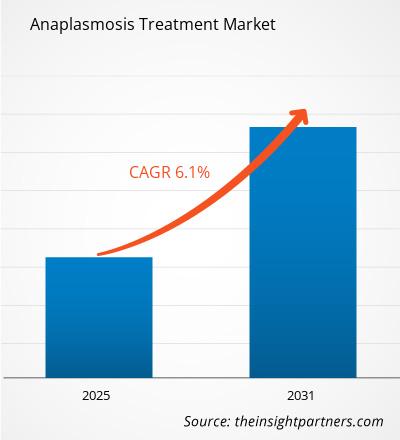
According to The Insight Partners, the Anaplasmosis Treatment Market is projected to increase from US$ 8.43 billion in 2025 to US$ 13.57 billion by 2034, registering a CAGR of 5.44% during 2026–2034. This expansion reflects increasing demand for effective treatment options, improved disease recognition, and ongoing pharmaceutical and diagnostic advancements. The market encompasses treatment approaches such as vaccines and antibiotics, while diagnosis includes ELISA, IFA, and PCR. From an application perspective, the market covers humans, livestock, and wildlife, highlighting the broader importance of anaplasmosis management across healthcare and veterinary ecosystems. The market is also categorized by species, including Ixodes scapularis and Ixodes pacificus.
Download Sample PDF – https://www.theinsightpartners.com/sample/TIPRE00040194
Anaplasmosis Treatment Market Overview
Anaplasmosis treatment demand is closely connected with the growing prevalence of tick-borne infections and improvements in disease detection. Early diagnosis can help healthcare professionals initiate appropriate treatment promptly, creating sustained demand for effective therapeutic solutions. Antibiotics currently represent an important treatment approach, while research into vaccines and targeted therapies presents opportunities for future market development.
The market is also influenced by advances in molecular biology and diagnostic testing. PCR-based testing can support the identification of infections, while ELISA and IFA are included among the diagnostic approaches covered in the market study. Increasing awareness among patients, healthcare professionals, veterinarians, and public health organizations is further contributing to the development of the market.
Anaplasmosis Treatment Market Size, Share, Trends, Analysis, and Forecast by 2034
- Market Size: Expected to reach US$ 13.57 billion by 2034, up from US$ 8.43 billion in 2025.
- Market Growth: Projected CAGR of 5.44% during 2026–2034.
- Leading Region: North America holds the highest revenue share of the market.
- Fastest-Growing Region: Asia Pacific is identified by The Insight Partners as the region expected to record the highest CAGR over its forecast period.
- Treatment Trends: Antibiotics remain an important treatment category, while vaccine development represents a potential long-term opportunity.
- Diagnostic Trends: Growing use of PCR, ELISA, and IFA supports improved detection and treatment planning.
- Application Analysis: The market covers humans, livestock, and wildlife.
- Species Analysis: Key species categories include Ixodes scapularis and Ixodes pacificus.
- Growth Drivers: Rising disease prevalence, greater awareness, early diagnosis, and advancements in antibiotics and vaccines.
- Emerging Trends: Personalized treatment approaches, telemedicine, and companion diagnostics are expected to influence market development.
- Forecast Outlook: Increasing healthcare access and research into targeted therapies are expected to create additional commercial opportunities through 2034.
Market Trends and Growth Drivers
One of the prominent trends in the anaplasmosis treatment market is the movement toward more personalized treatment strategies. Advances in genetic and molecular research may support therapies tailored to specific patient or pathogen characteristics. Such approaches could improve treatment effectiveness while helping reduce unnecessary antibiotic exposure.
Another important trend is the integration of telemedicine into healthcare delivery. Remote consultations can help patients in rural and tick-endemic areas access healthcare professionals without extensive travel. The growing use of companion diagnostics is another potential development, as improved identification of the pathogen may enable more informed treatment decisions.
The increasing prevalence of anaplasmosis remains a fundamental market driver. Changes in environmental conditions and increasing exposure to tick habitats can contribute to greater disease risk. At the same time, greater public awareness encourages individuals to seek medical attention earlier, supporting demand for diagnostic testing and treatment.
Opportunities in the Anaplasmosis Treatment Market
Pharmaceutical companies have opportunities to develop targeted therapies designed specifically for Anaplasma phagocytophilum. Such treatments could potentially improve therapeutic outcomes while reducing unwanted effects. Vaccine development represents another significant opportunity because an effective preventive solution could reduce the disease burden in high-risk populations.
Expansion into emerging markets also provides opportunities for manufacturers and healthcare providers. Greater recognition of tick-borne diseases, improved healthcare infrastructure, and wider access to diagnostic services could support market penetration in developing countries.
Regional Analysis
North America: North America is expected to maintain its leading position, with the US representing a major market. Canada and Mexico also contribute to regional opportunities.
Europe: European countries represent an important market supported by healthcare infrastructure, disease surveillance, and growing awareness of tick-borne infections.
Asia Pacific: Asia Pacific is expected to experience strong growth, driven by increasing recognition of anaplasmosis, expanding healthcare capabilities, and improving access to diagnostic and treatment services.
South and Central America: Brazil, Argentina, and other countries across the region provide opportunities as awareness of vector-borne diseases and healthcare access improve.
Middle East and Africa: South Africa, Saudi Arabia, the UAE, and other markets are included in the regional assessment, with future growth supported by improvements in healthcare infrastructure and disease awareness.
Key Players in the Anaplasmosis Treatment Market
- Wyeth Pharmaceuticals LLC
- Merck & Co., Inc.
- Boehringer Ingelheim International GmbH
- Bristol Myers Squibb Company
- GSK plc
- Sanofi
- Viatris Inc.
- Pfizer Inc.
- Teva Pharmaceutical Industries Ltd.
- Takeda Pharmaceutical Company Limited
These companies represent important participants in the pharmaceutical landscape associated with anaplasmosis treatment and related therapeutic development. Competitive activity is expected to focus on treatment innovation, research and development, product portfolios, and opportunities to address unmet needs in tick-borne disease management.
Get Premium Research Report Market Size and Report at:
https://www.theinsightpartners.com/buy/TIPRE00040194
Future Outlook
The Anaplasmosis Treatment Market is expected to demonstrate steady expansion through 2034, supported by rising disease awareness, improved diagnosis, treatment advancements, and growing healthcare access. North America, particularly the US, is expected to remain an important market, while Asia Pacific offers significant growth potential. The development of targeted therapies, vaccines, companion diagnostics, and telemedicine-enabled care could further shape the competitive landscape. With the market projected to reach US$ 13.57 billion by 2034, pharmaceutical companies and healthcare stakeholders have opportunities to strengthen treatment capabilities and address the evolving needs of populations exposed to anaplasmosis.
About Us
The Insight Partners is a one stop industry research provider of actionable intelligence. We help our clients in getting solutions to their research requirements through our syndicated and consulting research services. We specialize in industries such as Semiconductor and Electronics, Aerospace and Defense, Automotive and Transportation, Biotechnology, Healthcare IT, Manufacturing and Construction, Medical Device, Technology, Media and Telecommunications, Chemicals and Materials.
Contact Us
Ankit Mathur | The Insight Partners
E-mail: ankit.mathur@theinsightpartners.com
Phone: +1-646-491-9876
