The Egypt Ecotourism Market is evolving rapidly as the country expands its tourism offerings beyond iconic historical landmarks to include sustainable, nature-based experiences. Ecotourism focuses on responsible travel that preserves the environment, supports local communities, and promotes cultural heritage.
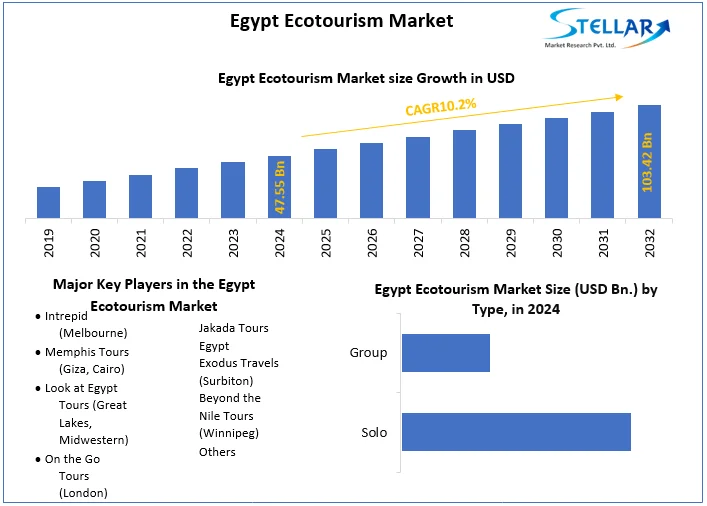
Egypt Ecotourism Market was valued at USD 47.55 billion in 2024. Egypt Ecotourism Market size is estimated to grow at a CAGR of 10.2% over the forecast period.
With diverse landscapes ranging from the Red Sea’s coral reefs to desert ecosystems and protected reserves, Egypt is positioning itself as a key destination for eco-conscious travelers.
A Market Shifting Toward Sustainable and Experiential Tourism
A major trend shaping the Egypt ecotourism market is the growing demand for sustainable and immersive travel experiences. Modern travelers are increasingly seeking destinations that offer environmental responsibility, cultural authenticity, and adventure.
Egypt’s ecotourism initiatives aim to balance tourism growth with conservation, ensuring long-term sustainability of natural resources.
Key Market Insights
- Ecotourism emphasizes environmental conservation and responsible travel.
- Marine and desert ecosystems are major attractions.
- Community-based tourism is gaining popularity.
- Government initiatives support sustainable tourism development.
- Adventure tourism is expanding rapidly.
- Eco-lodges and sustainable accommodations are increasing.
- International demand for eco-friendly travel is rising.
Market Drivers Accelerating Growth
1. Rising Global Demand for Sustainable Tourism
Travelers are increasingly prioritizing eco-friendly destinations and experiences.
2. Rich Natural Diversity
Egypt offers unique ecosystems including coral reefs, deserts, and wildlife reserves.
3. Government Focus on Tourism Diversification
Efforts to expand beyond cultural tourism are boosting ecotourism development.
Market Challenges and Restraints
1. Infrastructure Limitations
Some ecotourism destinations lack advanced facilities and accessibility.
2. Environmental Management Concerns
Ensuring sustainable practices while increasing tourist activity is critical.
Technology and Innovation Trends
Innovation in the Egypt ecotourism market is driven by advancements in digital tourism platforms, sustainable infrastructure, and environmental monitoring technologies.
Online booking systems and mobile apps are improving accessibility and awareness of ecotourism destinations. Smart tourism technologies are enhancing visitor experiences through digital guides and real-time information.
Sustainable innovations such as eco-lodges powered by renewable energy, water conservation systems, and waste management solutions are becoming more prevalent.
Environmental monitoring tools, including satellite tracking and data analytics, are being used to protect ecosystems and manage tourist impact effectively.
Visual Snapshot: Ecotourism in Egypt
Regional Insights: Coastal and Protected Areas Lead Growth
The Red Sea region is a major hub for marine ecotourism, offering world-class diving and snorkeling experiences. The Sinai Peninsula and protected areas such as Ras Mohammed and Wadi El Rayan attract nature enthusiasts and adventure travelers.
Desert regions provide opportunities for eco-adventures, including sustainable desert safaris and cultural experiences with local communities.
These regions are central to Egypt’s strategy to develop a diversified and sustainable tourism sector.
Recent Industry Developments
- Egyptian Ministry of Tourism and Antiquities (2025): Launched initiatives to promote sustainable tourism.
- United Nations World Tourism Organization (2024): Supported ecotourism development programs.
- World Bank (2025): Funded sustainable tourism and conservation projects.
- Egyptian Environmental Affairs Agency (2024): Strengthened environmental protection policies.
- International Union for Conservation of Nature (2025): Promoted biodiversity conservation efforts.
Competitive Landscape
The Egypt ecotourism market is moderately competitive, with tour operators, eco-resorts, and local communities offering diverse sustainable travel experiences.
Companies are focusing on authenticity, sustainability, and personalized experiences to attract eco-conscious travelers. Partnerships between government bodies, NGOs, and private players are supporting market expansion.
Analyst Perspective
A senior market analyst notes:
“Egypt’s ecotourism market is gaining traction as travelers seek meaningful and sustainable experiences. Conservation and community engagement will be key growth drivers.”
Future Outlook
The Egypt Ecotourism Market is expected to witness steady growth, driven by increasing global awareness of sustainable travel and Egypt’s rich natural offerings.
Investments in eco-friendly infrastructure, conservation programs, and digital promotion will further enhance market potential. As demand for responsible tourism continues to rise, ecotourism will play a crucial role in shaping Egypt’s tourism future.
Overall, the market presents strong opportunities for investors, tour operators, and stakeholders aiming to promote sustainable tourism while preserving natural and cultural heritage.
