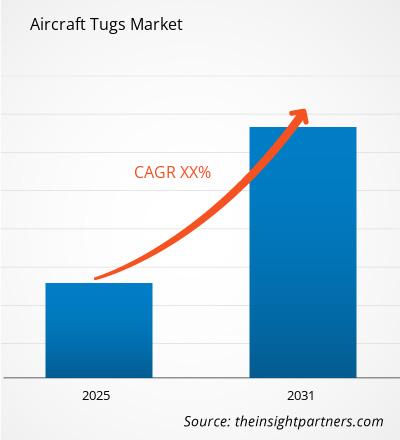
The global aircraft tugs market is entering a transformative phase of sustained growth, propelled by recovering and expanding commercial air traffic, airport infrastructure modernization, and an industry-wide shift toward low-emission ground support equipment (GSE). According to recent industry analysis, the Aircraft Tugs Market was valued at US$ 4.87 Billion in 2025 and is projected to reach US$ 9.3 Billion by 2034, expanding at a CAGR of 7.45% from 2026 to 2034.
Aircraft tugs also referred to as pushback tractors or tow tractors are mission-critical vehicles utilized across commercial airports, private aviation terminals, and military airbases to maneuver aircraft safely between gates, hangars, and taxiways. As airlines intensify their focus on minimizing turnaround times and improving gate utilization efficiency, demand for high-capacity, precision-engineered towing solutions has surged.
Key Market Drivers and Industry Dynamics
The rapid expansion of the aircraft tugs sector is anchored by several structural shifts within global aviation:
Surging Air Passenger and Cargo Volumes: Rising global air travel and expanding commercial airline fleets require faster, safer aircraft pushback and maintenance towing operations to prevent apron bottlenecks and maintain on-time departures.
Rapid Adoption of Electric Ground Support Equipment (eGSE): Stringent environmental regulations and airport net-zero mandates are accelerating the transition away from conventional diesel-powered tractors toward fully electric and hybrid models. Electric tugs significantly reduce carbon emissions, lower apron noise levels, and offer lower lifecycle maintenance costs due to fewer mechanical components.
Get a PDF Sample- https://www.theinsightpartners.com/sample/TIPRE00007665
Preference for Towbarless Configurations: Towbarless aircraft tugs are capturing a growing share of new fleet procurements. By cradling the aircraft’s nose landing gear directly, towbarless designs eliminate the need for physical towbars, reducing hook-up times, minimizing the risk of nose-gear damage, and enabling single-operator remote-controlled maneuverability.
Global Airport Expansion Projects: Ongoing investments in new terminals, runways, and greenfield airport developments particularly across high-growth aviation hubs in Asia Pacific, the Middle East, and North America are creating substantial greenfield demand for modern ground handling fleets.
Competitive Landscape and Key Players
The global aircraft tugs market features a competitive mix of established ground support equipment conglomerates and specialized electric and automated towing innovators. Leading companies driving product innovation, fleet electrification, and strategic airport partnerships include:
Textron GSE
JBT Corporation
TREPEL Airport Equipment GmbH
TLD Group SAS
LEKTRO, Inc.
Airtug LLC
Mototok International GmbH
Tronair Inc.
MULAG Fahrzeugwerk Heinz Wössner GmbH u. Co. KG
Kalmar Motor AB
These manufacturers are heavily investing in research and development to expand payload capacities for wide-body aircraft, enhance lithium-ion battery efficiency, and introduce modular, multi-aircraft compatibility across narrow-body and regional fleets.
Get Full Copy of This Report- https://www.theinsightpartners.com/buy/TIPRE00007665
Future Outlook (2026–2034)
Looking ahead through 2034, the future outlook for the aircraft tugs market points toward a dual revolution in autonomous operations and engine-off taxiing. As airports and ground handlers confront persistent labor shortages and tighter turnaround windows, semi-autonomous and automated guided vehicle (AGV) capabilities are moving from pilot programs into commercial deployment. Remote-controlled and AI-assisted towing systems equipped with collision-avoidance sensors and IoT fleet telematics will increasingly become standard features across major international hubs.
Furthermore, the maturation of high-power, long-range electric towing systems is set to unlock broader adoption of engine-off operational taxiing allowing aircraft to be towed closer to active runways before starting main engines. This operational shift offers airlines substantial jet fuel savings and Scope 3 emissions reductions while transforming aircraft tugs from traditional capital equipment into high-ROI sustainability assets. Over the coming decade, manufacturers that pair robust electric drivetrains with smart charging ecosystem integration and autonomous safety technologies will be best positioned to lead the global market toward its US$ 9.3 Billion valuation.
Related Reports-
Aircraft Evacuation System Market Size, Growth & Demand by 2034
Aircraft Cabin Interior Market Growth, Trends & Demand by 2034
Aircraft Pumps Market Size, Demand & Growth by 2034
Aircraft Oxygen Deployment System Market Size, Growth & Demand by 2034
Aircraft Galley Equipment Market Size, Demand & Growth by 2034
About The Insight Partners
The Insight Partners is a leading market research and consulting firm delivering actionable insights through in-depth industry analysis and strategic intelligence. The firm supports clients across various industries in making informed decisions by providing comprehensive market forecasts, competitive assessments, and growth opportunities.
Contact Us:
If you have any queries about this report or if you would like further information, please contact us:
Contact Person: Ankit Mathur
E-mail: sales@theinsightpartners.com
Phone: +1-646-491-9876
Also Available in : Korean| German| Japanese| French| Chinese| Italian| Spanish
