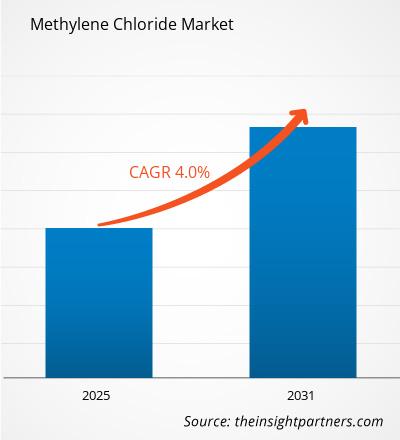
The Methylene Chloride Market is expanding as pharmaceutical manufacturers, chemical processors, automotive producers, and industrial cleaning operators rely on its high solvency power, low boiling point, and non-flammable properties for specialized extraction, formulation, and surface treatment applications. Growth is supported by expanding pharmaceutical active pharmaceutical ingredient (API) manufacturing, industrial infrastructure investments, and rising demand for high-purity chemical intermediates in emerging economies.
The global methylene chloride market size is projected to reach US$ 5.96 billion by 2034 from US$ 4.57 billion in 2025. The market is anticipated to register a CAGR of 2.99% during the forecast period 2026-2034.
What is driving the market?
Expanding pharmaceutical manufacturing, strong demand in chemical processing, and ongoing industrial maintenance activities are the principal growth drivers. Pharmaceutical producers utilize methylene chloride extensively for extraction, purification, and the synthesis of antibiotics, vitamins, and steroids due to its high solvency efficiency and ease of removal during downstream processing. Concurrently, chemical manufacturers, automotive component suppliers, and metal fabricators depend on the compound for reaction media, adhesive formulations, polyurethane foam blowing, and precision degreasing.
However, the market is undergoing a structural shift from open-use consumer and commercial stripping applications toward strictly controlled, closed-loop industrial processes. Stringent environmental and occupational health regulations such as workplace exposure limits and restrictions on consumer paint removers in North America and Europe alongside rising adoption of bio-based or alternative solvents remain critical restraints.
Which region leads?
Asia Pacific leads the market, accounting for the largest share of global consumption and production, and is also the fastest-growing region through 2034. Growth is supported by rapid industrialization, expanding pharmaceutical API and generic drug manufacturing hubs, robust chemical processing capacity, and rising construction and automotive output. China and India represent major growth engines as domestic chemical production scales up to serve both local demand and global export supply chains.
Europe holds a substantial share, underpinned by established specialty chemical manufacturing, pharmaceutical production, and precision engineering sectors, though volume growth is moderated by strict REACH chemical safety compliance. North America accounts for a significant share as well, with demand increasingly concentrated in permitted pharmaceutical synthesis, laboratory testing, and regulated industrial chemical processing following federal restrictions on commercial paint-stripping uses.
Which segment leads?
By grade, Technical Grade represents the largest share of market volume and revenue (accounting for over 50% of sales), supported by broad utilization across industrial chemical reactions, metal cleaning, and adhesive manufacturing. However, Pharmaceutical / High-Purity Grade is witnessing accelerated demand due to strict impurity controls and batch-consistency requirements in drug formulation.
By application, Paint Remover and Chemical Processing hold leading shares with paint removal accounting for roughly 32% of global application demand driven by industrial coating removal and chemical synthesis. By end-use industry, Chemical Manufacturing, Automotive, and Pharmaceuticals anchor market consumption, with pharmaceutical solvent applications projected to grow rapidly alongside global expansion in contract development and manufacturing organizations (CDMOs).
Which companies are prominent?
The competitive landscape includes major global chlor-alkali and specialty chemical producers such as Dow Chemical Company, Olin Corporation, Occidental Petroleum Corporation (OxyChem), INEOS Group, Shin-Etsu Chemical Co., Ltd., Tokuyama Corporation, Kem One, AkzoNobel N.V., Solvay S.A., Eastman Chemical Company, Gujarat Alkalies & Chemicals Ltd. (GACL), and LOTTE Fine Chemical.
These companies compete across integrated chlor-alkali production, high-purity solvent refining, bulk industrial distribution, and regional supply reliability. Strategic differentiation increasingly depends on feedstock integration, ultra-low impurity distillation capabilities for pharmaceutical buyers, closed-loop recovery services, and adherence to stringent environmental, health, and safety (EHS) standards.
What is changing in 2026?
In 2026, the market is decisively pivoting toward regulated, closed-system industrial applications and strict workplace exposure compliance. Following phased regulatory enforcement actions including U.S. EPA risk-management rules and extended compliance timelines for specialized laboratories and industrial facilities suppliers and end users are overhauling handling protocols, vapor-recovery systems, and direct-to-user supply chains.
Manufacturers are shifting capacity and commercial focus away from restricted retail paint strippers toward validated pharmaceutical-grade solvents, specialty chemical intermediates, and precision aerospace or automotive degreasing. Procurement decisions increasingly prioritize documented purity specifications, batch traceability, and supplier-backed solvent recovery and recycling programs.
What are the major investment opportunities?
The strongest opportunities lie in high-purity pharmaceutical-grade distillation, closed-loop solvent recovery infrastructure, and integrated chlor-alkali capacity in high-growth Asian markets. Investing in advanced purification and quality-control testing enables producers to capture higher margins from pharmaceutical and electronics customers that require stringent residual-solvent compliance.
Additional opportunities exist in on-site solvent recycling, vapor-capture engineering, and hazardous-waste reprocessing services. As Western manufacturers face tighter emission and worker-exposure thresholds, offering turnkey solvent-leasing and closed-loop regeneration models helps industrial buyers lower compliance costs and reduce virgin chemical consumption. Asia Pacific particularly India and Southeast Asia offers compelling expansion potential for greenfield chlor-alkali and specialty solvent plants supporting booming domestic API and chemical manufacturing ecosystems.
Future Outlook
Looking ahead toward 2034, the Methylene Chloride Market will be defined by regulatory bifurcation and value-over-volume growth. While traditional dispersive uses such as consumer paint stripping and open-air metal cleaning will continue to contract in North America and Europe due to health and environmental mandates, essential industrial and life-science applications will sustain steady global expansion.
Long-term resilience will belong to producers that transition toward high-purity pharmaceutical and specialty chemical grades, invest in closed-loop circular recovery systems, and align production footprints with rapidly industrializing pharmaceutical and manufacturing corridors across Asia Pacific.
About The Insight Partners
The Insight Partners is a leading market research and consulting firm delivering actionable insights through in-depth industry analysis and strategic intelligence. The firm supports clients across various industries in making informed decisions by providing comprehensive market forecasts, competitive assessments, and growth opportunities.
Contact Us:
If you have any queries about this report or if you would like further information, please contact us:
Contact Person: Ankit Mathur
E-mail: sales@theinsightpartners.com
Phone: +1-646-491-9876
